
Apr . 01, 2024 17:55 Back to list
one wire braided high pressure hydraulic hose Performance Analysis
Introduction
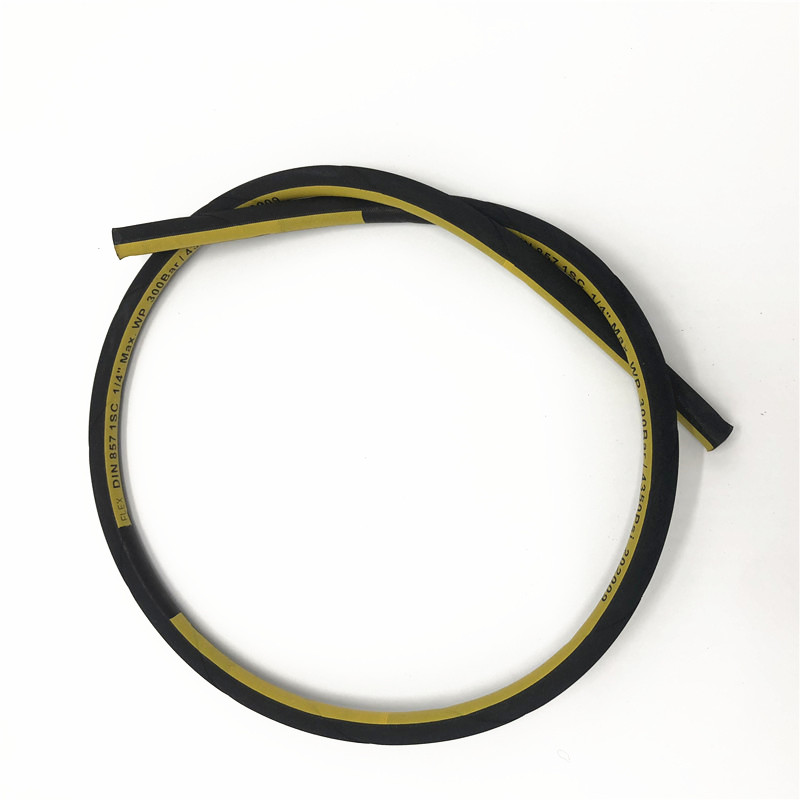
One wire braided high pressure hydraulic hose is a flexible element designed to transmit hydraulic fluid power in a variety of applications, ranging from construction equipment and agricultural machinery to industrial manufacturing and aerospace systems. Positioned within the hydraulic power transmission chain, it serves as a critical interface between static components like pumps and reservoirs, and dynamic actuators such as cylinders and motors. Its core performance characteristics – pressure rating, burst strength, flexibility, and fluid compatibility – dictate the efficiency and reliability of the entire hydraulic system. The single wire braid reinforcement provides a balance between flexibility and pressure containment, offering a cost-effective solution for medium to high-pressure applications. A significant industry pain point revolves around ensuring consistent hose performance across varying temperature ranges and fluid types, coupled with maintaining long-term resistance to abrasion and external damage.
Material Science & Manufacturing
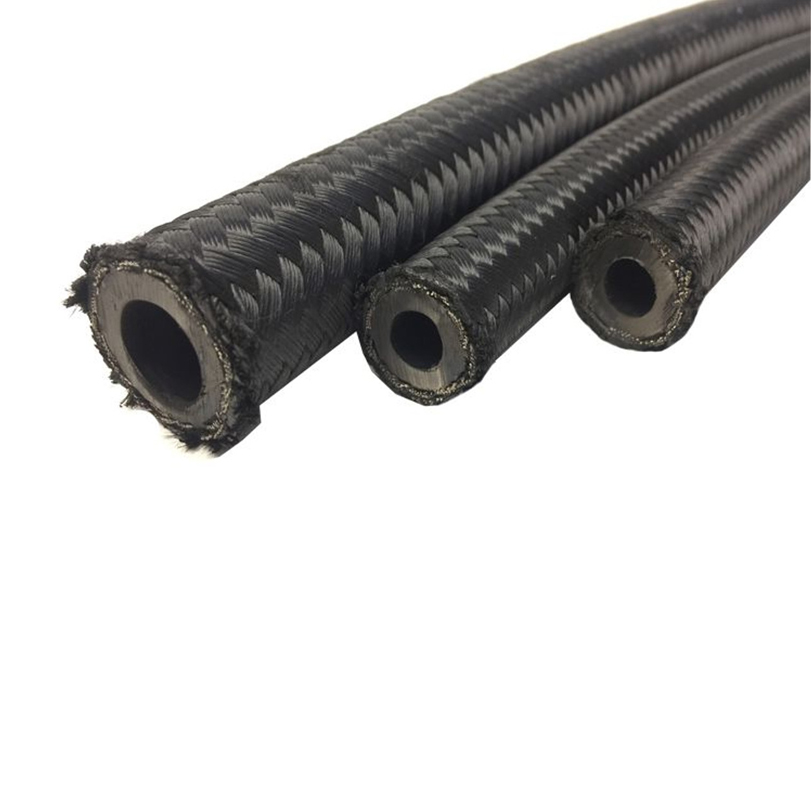
The construction of a one wire braided high pressure hydraulic hose typically involves four key layers: the inner tube, reinforcement, outer cover, and potentially a bonding layer. The inner tube is commonly composed of nitrile rubber (NBR), also known as Buna-N, prized for its excellent resistance to petroleum-based hydraulic fluids. Alternatives include chloroprene rubber (CR), offering improved ozone and weathering resistance, and fluorocarbon rubber (FKM/Viton), specified for extreme temperatures and aggressive fluids. The physical properties of the rubber compound, including hardness (measured via Shore A durometer), tensile strength, and elongation at break, are crucial for maintaining fluid integrity and preventing leakage. The single layer of high-strength steel wire braid, typically galvanized or stainless steel, provides the primary pressure containment. Wire diameter, braid angle, and braid coverage percentage directly impact the hose’s burst pressure and flexibility. Manufacturing involves a precise helical winding of the steel wire over a mandrel, followed by vulcanization – a process of heating the rubber compounds to induce cross-linking, enhancing their elasticity and strength. Key parameters to control during vulcanization include temperature, time, and pressure, ensuring complete and uniform curing. The outer cover, typically made from a synthetic rubber such as SBR (styrene-butadiene rubber) or CR, provides abrasion, ozone, and weathering protection. Bonding layers, often utilizing adhesive compounds, are used to ensure robust adhesion between the layers, preventing separation under pressure and flex.
Performance & Engineering
The performance of a one wire braided hydraulic hose is dictated by several engineering principles. Burst pressure, a critical safety parameter, is determined by the tensile strength of the steel wire, the braid coverage, and the rubber compound’s ability to withstand internal pressure. Calculations involve considering the hoop stress within the hose wall, utilizing the Barlow’s formula as a starting point, but refined with finite element analysis (FEA) to account for complex geometries and material interactions. Flexibility is governed by the hose’s bend radius, which must be maintained to avoid kinking and fatigue failure. The bend radius is related to the hose’s diameter and the stiffness of the reinforcement. Environmental resistance, particularly to temperature extremes, is a significant concern. Rubber compounds degrade with prolonged exposure to high temperatures, reducing their elasticity and increasing the risk of cracking. Cold temperatures can cause the rubber to become brittle. Fluid compatibility is equally important; incompatible fluids can cause swelling, softening, or degradation of the inner tube, leading to leaks. Hydraulic fluid velocity within the hose must be carefully managed to minimize pressure drop and prevent cavitation. Compliance requirements, such as those mandated by SAE (Society of Automotive Engineers) standards, dictate testing protocols for pressure rating, impulse testing, and temperature range.
Technical Specifications
| Parameter | Unit | Typical Value | Test Standard |
|---|---|---|---|
| Working Pressure | MPa | 16 | SAE J517 |
| Burst Pressure | MPa | 48 | SAE J517 |
| Temperature Range | °C | -40 to +100 | SAE J517 |
| Inner Tube Material | - | NBR (Buna-N) | ASTM D2000 |
| Reinforcement | - | Single Steel Wire Braid | SAE J517 |
| Outer Cover Material | - | CR (Chloroprene) | ASTM D2000 |
Failure Mode & Maintenance
One wire braided hydraulic hoses are susceptible to several failure modes. Fatigue cracking, particularly near the fittings, occurs due to repeated flexing under pressure. This is exacerbated by exceeding the minimum bend radius. Abrasion, caused by external contact with rough surfaces, can damage the outer cover, exposing the reinforcement to corrosion. Corrosion of the steel wire braid, especially in harsh environments, weakens the reinforcement and can lead to burst failure. Internal degradation of the inner tube, caused by incompatible fluids or excessive temperature, results in leaks. Kinking, a permanent deformation of the hose, restricts fluid flow and can cause localized stress concentrations. Delamination, the separation of layers, typically occurs due to inadequate bonding or exposure to aggressive chemicals. Maintenance practices should include regular visual inspections for signs of abrasion, cracking, and leaks. Hoses should be replaced if any damage is detected or if they have exceeded their service life. Proper hose routing, ensuring adequate clearance from moving parts and heat sources, is crucial. When replacing hoses, always use fittings that are compatible with the hose and the hydraulic system. Furthermore, proper fluid conditioning, including filtration and monitoring of fluid properties, helps to minimize internal degradation.
Industry FAQ
Q: What is the impact of impulse pressure on the service life of a one wire braided hose?
A: Impulse pressure, or pressure pulsations, introduces cyclic stresses into the hose wall. These stresses contribute significantly to fatigue failure. Higher impulse pressures and frequencies dramatically reduce the hose’s service life. Selecting a hose with a higher impulse rating and employing pulsation dampeners in the system can mitigate this issue. Regular inspection for signs of fatigue cracking near fittings is crucial.
Q: How does the choice of fluid affect the inner tube material selection?
A: The compatibility of the hydraulic fluid with the inner tube material is paramount. Petroleum-based fluids generally require NBR, while phosphate ester fluids necessitate a different rubber compound, such as FKM. Incompatible fluids can cause swelling, softening, or chemical attack, leading to leaks and premature failure. Consulting a fluid compatibility chart is essential before selecting a hose.
Q: What is the significance of the braid angle in a one wire braided hose?
A: The braid angle influences both the hose’s pressure containment capability and its flexibility. A steeper braid angle provides higher burst strength but reduces flexibility. A shallower angle increases flexibility but lowers the pressure rating. Engineers must balance these factors to optimize performance for the specific application.
Q: What are the primary causes of hose fitting failures?
A: Hose fitting failures are often caused by improper installation, corrosion, or fatigue. Over-tightening fittings can damage the hose reinforcement, while under-tightening can lead to leaks. Corrosion, particularly in exposed environments, weakens the fitting material. Fatigue cracking can occur due to vibration or repeated flexing. Using properly sized and crimped fittings, and applying corrosion protection measures, can minimize fitting failures.
Q: How do temperature variations impact the performance of a hydraulic hose?
A: Elevated temperatures can degrade the rubber compounds, reducing their elasticity and strength. Low temperatures can cause the rubber to become brittle and less flexible. Extreme temperature fluctuations induce thermal stress, contributing to fatigue failure. Selecting a hose with a suitable temperature rating and protecting it from direct heat sources are essential.
Conclusion
One wire braided high pressure hydraulic hose represents a widely employed solution for hydraulic power transmission, offering a balance of performance, cost-effectiveness, and flexibility. Its suitability hinges on a thorough understanding of material science principles, manufacturing processes, and the specific demands of the application. Careful consideration of factors such as pressure rating, temperature range, fluid compatibility, and environmental conditions is essential for ensuring reliable and long-lasting performance.
Future advancements in hydraulic hose technology are likely to focus on the development of new materials with enhanced temperature resistance, chemical compatibility, and abrasion resistance. Improved manufacturing techniques, such as advanced braiding processes and bonding technologies, will further enhance hose durability and performance. The integration of smart sensors into hydraulic hoses to monitor pressure, temperature, and potential failure modes will enable predictive maintenance and improve system reliability.