
Apr . 01, 2024 17:55 Back to list
Oil Hose Suppliers Performance Analysis
Introduction
Oil hoses are critical components in fluid transfer systems across a diverse range of industries, including petroleum exploration, refining, marine operations, and chemical processing. Functionally, they serve as flexible conduits for conveying crude oil, refined fuels, lubricating oils, and other petroleum-based products. Their technical position within the industry chain is as a specialized sub-component of fluid handling equipment, falling between raw material suppliers (elastomers, reinforcing materials) and the end-users requiring robust and reliable fluid transfer solutions. Core performance characteristics of oil hoses are defined by their pressure rating, temperature tolerance, chemical compatibility, and resistance to abrasion and environmental degradation. A key pain point for purchasers is ensuring long-term reliability and preventing catastrophic failure, especially in high-stakes applications where leaks can result in significant environmental damage, safety hazards, and costly downtime. The selection criteria extend beyond simple pressure capacity, demanding a deep understanding of the conveyed media’s specific properties and potential for hose degradation. Further complicating procurement is navigating the various international standards and ensuring compliance with regional safety regulations.
Material Science & Manufacturing
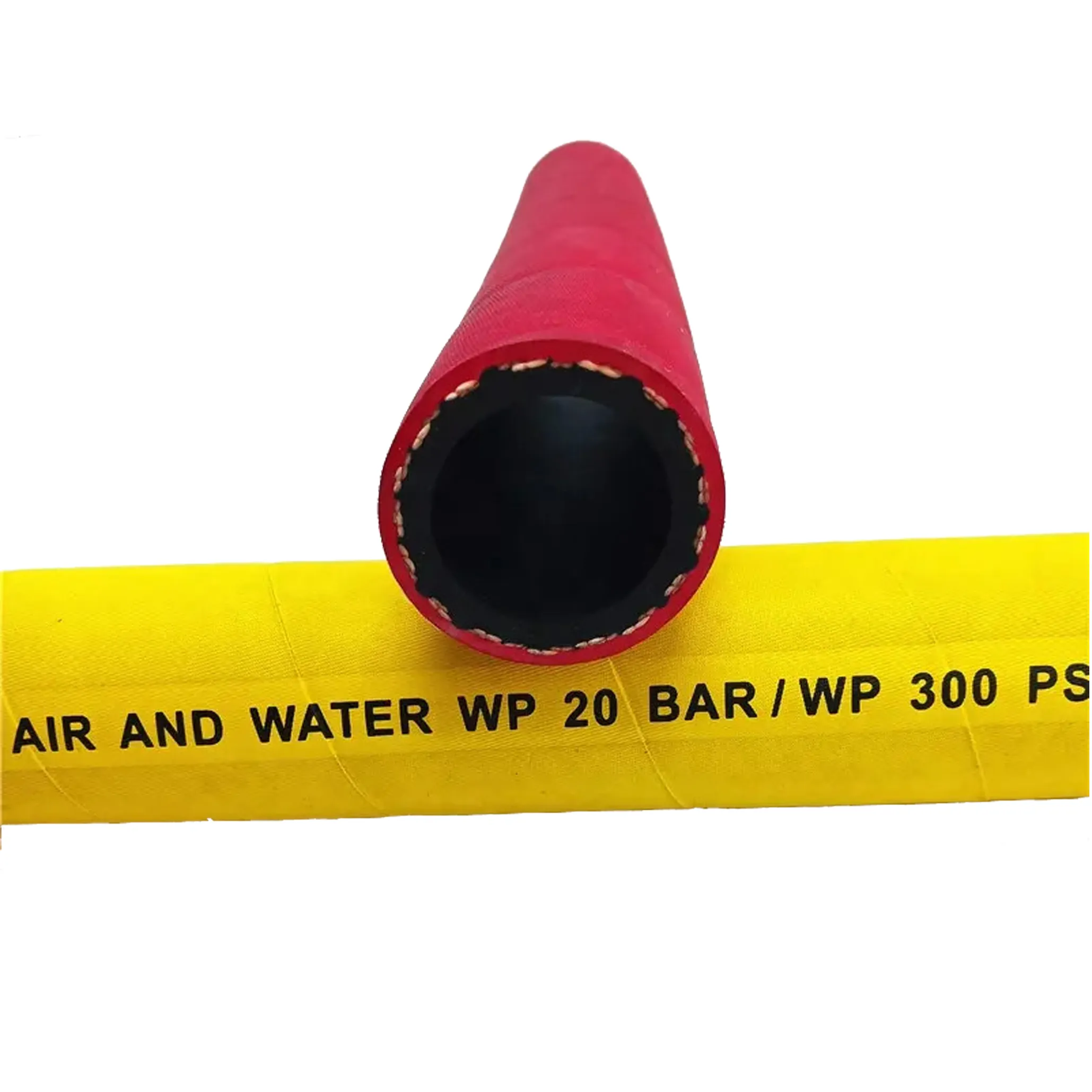
The foundational material for most oil hoses is a synthetic rubber elastomer. Nitrile rubber (NBR) is frequently employed for its excellent resistance to petroleum-based fluids, offering a balance of cost-effectiveness and performance. However, for harsher environments involving aromatic hydrocarbons or higher temperatures, fluoroelastomers (FKM/Viton) or Chlorinated Polyethylene (CPE) are preferred. The choice dictates the hose’s long-term chemical stability and operational lifespan. Reinforcement layers are crucial for withstanding high pressures. These commonly consist of multiple plies of high-tensile strength textile fabrics (typically polyester or nylon) or spiral-wound steel wire. The textile layers provide burst strength, while steel wire reinforcement manages pressure and prevents kinking. Manufacturing processes begin with elastomer compounding, where raw rubber is mixed with reinforcing fillers (carbon black, silica), plasticizers, curing agents, and anti-aging additives. This compound is then extruded through a die to form the inner and outer tube layers. Reinforcement layers are applied either during or after extrusion, often using automated winding machines. The hose is subsequently vulcanized (cured) under heat and pressure to crosslink the rubber molecules, imparting elasticity and durability. Critical process parameters during vulcanization include temperature control (typically 140-180°C) and curing time, directly influencing the final physical properties, such as tensile strength and elongation at break. Quality control at each stage – from raw material inspection to final pressure testing – is paramount. The inner tube surface finish is particularly important, as roughness can contribute to fluid turbulence and premature wear.

Performance & Engineering
Oil hose performance is governed by several key engineering principles. Burst pressure, a critical specification, is determined by the combined strength of the elastomer and the reinforcement layers. Finite element analysis (FEA) is commonly used during the design phase to model stress distribution under various pressure and bending conditions. Hose bending radius is crucial to prevent kinking and ensure consistent flow. Excessive bending stresses can lead to localized elastomer fatigue and eventual failure. Environmental resistance is also paramount. Prolonged exposure to ultraviolet (UV) radiation, ozone, and extreme temperatures can degrade the elastomer, reducing its flexibility and tensile strength. To mitigate this, UV stabilizers and ozone protectants are incorporated into the rubber compound. Chemical compatibility is a complex consideration. The conveyed fluid must not cause swelling, softening, or dissolution of the hose material. Specialized elastomers are selected based on the specific chemical composition of the fluid. Furthermore, static electricity buildup can be a hazard when transferring flammable fluids. Therefore, conductive polymers or grounding wires are often integrated into the hose construction to dissipate static charge. Compliance with industry standards (detailed in the footer) dictates minimum performance requirements, including pressure testing protocols, burst pressure thresholds, and aging resistance tests.
Technical Specifications
| Parameter | Unit | NBR Hose (Standard Grade) | FKM Hose (High-Temp Grade) |
|---|---|---|---|
| Working Pressure | PSI | 300 | 500 |
| Burst Pressure | PSI | 900 | 1500 |
| Temperature Range | °F | -40 to 212 | -20 to 450 |
| Elongation at Break | % | 300 | 250 |
| Tensile Strength | PSI | 1500 | 2000 |
| Oil Resistance | Rating (1-5) | 4 | 5 |
Failure Mode & Maintenance
Oil hoses are susceptible to several failure modes. Fatigue cracking, often initiated at areas of high stress concentration (e.g., fitting connections), is a common issue, particularly in pulsating flow applications. Delamination, the separation of reinforcement layers, can occur due to inadequate bonding during manufacturing or prolonged exposure to harsh chemicals. Elastomer degradation, caused by oxidation, UV exposure, and chemical attack, leads to reduced flexibility and increased susceptibility to cracking. Abrasion, from external contact with surfaces or particulate matter within the fluid, can wear away the outer cover and expose the reinforcement layers. Internal corrosion, though less frequent, can occur if the hose is used to convey fluids containing corrosive compounds. Proper maintenance is crucial for extending hose lifespan. Regular visual inspections should be conducted to identify signs of cracking, abrasion, swelling, or discoloration. Hoses should be replaced if any of these issues are detected. Avoid exceeding the maximum working pressure and temperature limits. Protect hoses from direct sunlight and exposure to extreme temperatures. When not in use, hoses should be stored in a cool, dry place, away from ozone sources. Proper fitting installation, utilizing compatible sealing materials, is essential to prevent leaks and maintain structural integrity. Periodic pressure testing, following established industry protocols, can provide an early indication of potential weaknesses.
Industry FAQ
Q: What is the primary difference between NBR and FKM hoses, and when should I specify FKM despite the higher cost?
A: NBR (Nitrile Rubber) offers excellent resistance to petroleum-based fluids and is a cost-effective general-purpose option. However, FKM (Fluoroelastomer/Viton) provides significantly superior resistance to high temperatures, aggressive chemicals (especially aromatic hydrocarbons), and ozone. Specify FKM when operating temperatures exceed the NBR limit (typically above 200°F), when handling fluids containing solvents or aggressive additives, or when long-term exposure to harsh environmental conditions is anticipated. The increased lifespan and reduced risk of failure often justify the higher initial cost in these applications.
Q: How does steel wire reinforcement differ from textile reinforcement in oil hoses?
A: Textile reinforcement (polyester or nylon) provides good burst strength and flexibility, making it suitable for moderate pressure applications. Steel wire reinforcement, typically spiral-wound, offers significantly higher pressure ratings and kink resistance. It's the preferred choice for high-pressure applications, such as hydraulic fracturing or offshore oil transfer, where maintaining a consistent flow and preventing hose collapse are critical. However, steel wire hoses are generally less flexible than textile-reinforced hoses.
Q: What is the significance of the 'layflat diameter' specification for an oil hose?
A: The layflat diameter is the diameter of the hose when it's fully flattened but not kinked. It’s an important consideration for storage and handling. A smaller layflat diameter means the hose can be coiled more compactly. However, excessively flattening the hose can stress the reinforcement layers and potentially damage the hose over time. It also influences the hose's ability to return to its original shape after being coiled.
Q: How do I ensure compatibility between the oil hose and the fittings I'm using?
A: Compatibility is critical to prevent leaks and ensure structural integrity. Fittings should be made from materials that are chemically compatible with both the hose elastomer and the conveyed fluid. Avoid using fittings that are known to cause corrosion or degradation of the hose material. Ensure the fittings are properly crimped or swaged onto the hose according to the manufacturer’s specifications. Using improper crimping procedures can compromise the hose's pressure rating and lead to premature failure.
Q: What are the key considerations when selecting a hose for offshore oil transfer applications?
A: Offshore applications demand exceptionally robust hoses. Key considerations include resistance to saltwater corrosion, UV degradation, abrasion from marine environments, and compliance with stringent safety regulations (e.g., API standards). Specialized hose constructions with multiple layers of reinforcement, UV-resistant elastomers, and external abrasion-resistant covers are typically required. Consideration must also be given to the hose’s buoyancy characteristics and its ability to withstand the dynamic stresses associated with marine operations.
Conclusion
The selection of an oil hose represents a critical engineering decision with significant implications for operational safety, environmental protection, and overall efficiency. A thorough understanding of material science, manufacturing processes, performance characteristics, and potential failure modes is essential for ensuring optimal performance and longevity. Choosing the correct elastomer, reinforcement type, and construction technique, aligned with the specific application requirements and regulatory compliance standards, is paramount.
Future developments in oil hose technology will likely focus on the development of lighter-weight materials, improved chemical resistance, and enhanced monitoring capabilities (e.g., integrated sensors for pressure and temperature monitoring). The trend towards sustainable materials and environmentally friendly manufacturing processes will also drive innovation in this field, emphasizing the importance of responsible sourcing and waste reduction.