
Apr . 01, 2024 17:55 Back to list
oil hose factory Performance Analysis
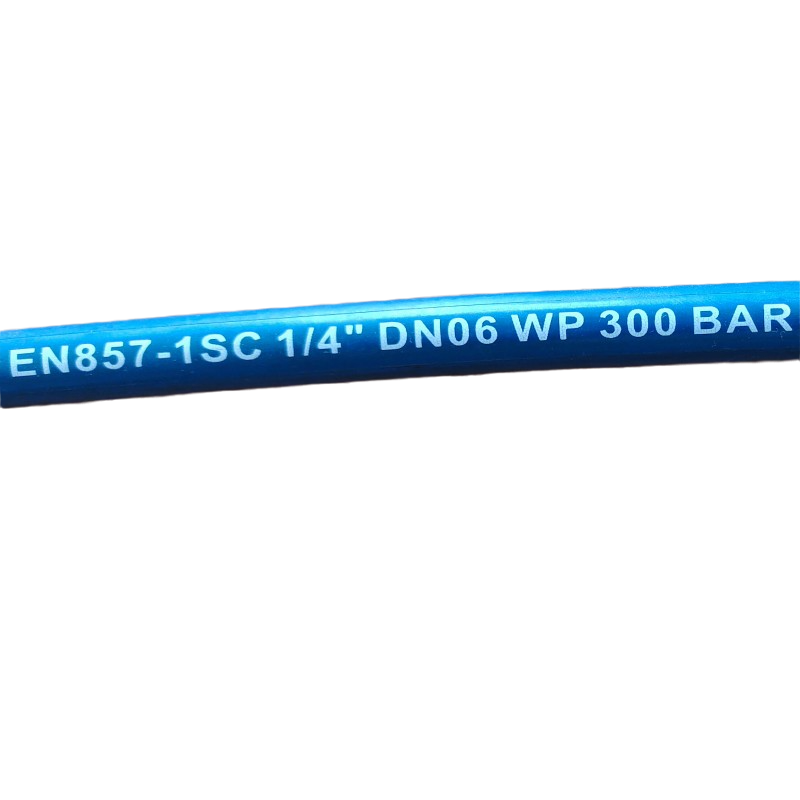
Introduction
Oil hoses are critical components in the fluid transfer systems of various industries, including oil and gas, petrochemical, marine, and construction. Their primary function is the safe and efficient conveyance of petroleum-based products, hydraulic fluids, and other potentially hazardous materials. This guide provides an in-depth technical overview of oil hose manufacturing, material science, performance characteristics, failure modes, and relevant industry standards. The core performance attributes of an oil hose – pressure capacity, chemical compatibility, temperature resistance, and abrasion resistance – directly impact operational safety, environmental protection, and overall system reliability. Current industry pain points include maintaining hose integrity under increasingly demanding operational conditions (e.g., higher pressures, extreme temperatures, exposure to aggressive chemicals), ensuring compliance with evolving environmental regulations, and mitigating the risk of catastrophic hose failure. This technical guide aims to address these challenges by providing a comprehensive understanding of oil hose technology.
Material Science & Manufacturing
Oil hoses are typically constructed from multiple layers, each contributing to specific performance characteristics. The inner tube, which directly contacts the conveyed fluid, is commonly made from synthetic rubbers such as nitrile (NBR), chloroprene (CR, neoprene), or fluorocarbon (FKM, Viton). NBR offers good resistance to aliphatic hydrocarbons, while CR provides broader chemical resistance and improved weathering. FKM excels in high-temperature environments and provides exceptional resistance to aggressive chemicals and fuels. The reinforcement layer provides structural strength to withstand internal pressure. Materials commonly used for reinforcement include high-tensile steel wire (single or multiple braids), textile cords (polyester, nylon), and aramid fiber (Kevlar). Steel wire offers superior pressure resistance, while textile and aramid provide flexibility and kink resistance. The outer cover provides protection against abrasion, weathering, and ozone degradation. Common cover materials include CR, EPDM (ethylene propylene diene monomer), and polyurethane.
Manufacturing processes vary depending on the hose construction. For braided hoses, the inner tube is extruded, followed by the application of the reinforcement braids. The cover is then extruded over the reinforcement, and the hose is vulcanized (cured) to achieve the desired physical and chemical properties. Vulcanization parameters – temperature, pressure, and time – are critical for achieving optimal crosslinking of the rubber compounds, influencing properties like tensile strength, elongation, and chemical resistance. For spiral-wound hoses, the inner tube is typically extruded over a pre-formed spiral of high-tensile wire, followed by the application of the outer cover and vulcanization. Quality control throughout the manufacturing process is paramount. This includes rigorous testing of raw materials (e.g., Mooney viscosity, tensile strength, elongation at break), dimensional inspection of the hose during production, and pressure testing of the finished product to verify its burst pressure and leak tightness. The control of helix angle in spiral-wound hoses is a critical parameter impacting pressure handling capabilities and flex fatigue life.
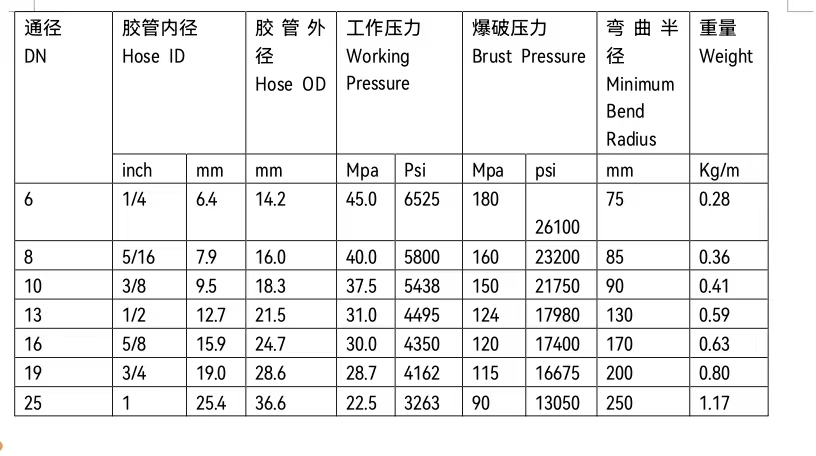
Performance & Engineering
The performance of an oil hose is dictated by a complex interplay of material properties and engineering design. Force analysis, particularly stress analysis under internal pressure, is critical for ensuring hose integrity. Hoop stress in the hose wall increases with internal pressure and hose diameter. The reinforcement layer must be designed to withstand these stresses and prevent hose rupture. Fatigue analysis is also essential, as oil hoses are often subjected to cyclic pressure loading and bending. The fatigue life of the hose is influenced by factors such as the magnitude of the pressure cycles, the frequency of loading, and the bend radius. Environmental resistance is another critical performance factor. Exposure to extreme temperatures, UV radiation, ozone, and corrosive chemicals can degrade the hose materials, reducing its strength and flexibility. Selecting materials with appropriate chemical compatibility and incorporating UV stabilizers and antioxidants into the rubber compounds can mitigate these effects.
Compliance requirements vary depending on the application and geographic region. Oil hoses used in the oil and gas industry must comply with standards such as API Q1 and ISO 13628-5. Marine hoses are subject to standards such as IMO resolutions and OCIMF guidelines. Hose assemblies must be appropriately rated for the maximum working pressure, temperature, and fluid compatibility. Static grounding is a crucial safety consideration for oil hose applications, particularly when conveying flammable fluids. Static electricity can accumulate during fluid flow, potentially leading to ignition. Hoses must be electrically conductive to dissipate static charges safely. Consideration must be given to the hose end connection types (e.g., flanged, threaded, quick-disconnect) and their compatibility with the fluid system. Improperly selected or installed connections can lead to leaks and failures.
Technical Specifications
| Parameter | Unit | Typical Value (Nitrile Hose) | Typical Value (FKM Hose) |
|---|---|---|---|
| Working Pressure | MPa | 20 | 25 |
| Burst Pressure | MPa | 60 | 75 |
| Temperature Range | °C | -40 to +100 | -20 to +200 |
| Inner Tube Material | - | NBR | FKM |
| Reinforcement | - | Steel Wire Braid (4:1 Safety Factor) | Steel Wire Braid (4:1 Safety Factor) |
| Outer Cover Material | - | CR | CR |
| Tensile Strength (Outer Cover) | MPa | 15 | 18 |
Failure Mode & Maintenance
Oil hoses are susceptible to a variety of failure modes. Fatigue cracking, caused by cyclic pressure and bending, is a common failure mechanism. This typically initiates at stress concentration points, such as hose end connections or areas of damage. Delamination, the separation of layers within the hose wall, can occur due to inadequate adhesion between materials or exposure to aggressive chemicals. Degradation of the rubber compounds, caused by exposure to UV radiation, ozone, or heat, can lead to loss of flexibility and cracking. Oxidation of the rubber can also occur, leading to embrittlement and reduced strength. Abrasion damage can occur due to rubbing against abrasive surfaces.
Preventive maintenance is crucial for extending the service life of oil hoses. Regular visual inspections should be conducted to identify signs of damage, such as cracks, blisters, or abrasions. Pressure testing should be performed periodically to verify the hose’s integrity. Hoses should be properly stored when not in use, protected from UV radiation, ozone, and extreme temperatures. Avoid sharp bends and kinks, which can damage the reinforcement layer. When replacing a hose, ensure that the new hose is compatible with the conveyed fluid and operating conditions. Correct installation procedures are critical; avoid over-tightening hose end connections. Proper handling during transport and storage is essential to prevent damage. Record keeping of inspection and maintenance activities is highly recommended for traceability and to optimize maintenance schedules.
Industry FAQ
Q: What is the impact of aromatic content in the conveyed fluid on NBR hose life?
A: Higher aromatic content in the conveyed fluid significantly reduces the service life of NBR hoses. Aromatic hydrocarbons cause swelling and softening of the NBR, leading to loss of mechanical properties and increased permeation. For applications involving high aromatic content, FKM or other chemically resistant elastomers are recommended.
Q: How does increasing the steel wire braid density affect hose pressure ratings and flexibility?
A: Increasing steel wire braid density directly increases the hose’s pressure rating. However, it also reduces the hose’s flexibility. The optimal braid density is a compromise between pressure resistance and flexibility, determined by the specific application requirements.
Q: What are the implications of exceeding the minimum bend radius for a spiral-wound hose?
A: Exceeding the minimum bend radius of a spiral-wound hose can cause kinking and damage to the inner tube and reinforcement spiral. This can lead to localized stress concentrations and premature failure. Always adhere to the manufacturer’s specified minimum bend radius.
Q: What is the role of antistatic additives in oil hose construction?
A: Antistatic additives are incorporated into the hose cover to reduce the buildup of static electricity during fluid flow, particularly when conveying flammable liquids. These additives increase the surface conductivity of the hose, allowing static charges to dissipate safely to ground.
Q: How do different hose end connection types impact overall system reliability?
A: Incorrectly selected or improperly installed hose end connections are a common source of leaks and failures. Flanged connections provide a robust and leak-tight seal, but require careful alignment and bolting. Threaded connections are simpler to install, but are more susceptible to loosening and leaks. Quick-disconnect couplings offer convenience, but must be compatible with the fluid and pressure requirements.
Conclusion
Oil hoses represent a critical link in fluid transfer systems, requiring a comprehensive understanding of material science, manufacturing processes, and performance characteristics to ensure safe and reliable operation. The selection of appropriate materials, coupled with rigorous quality control during manufacturing, is paramount. Addressing industry pain points related to demanding operating conditions and stringent compliance requirements necessitates ongoing innovation in hose design and materials.
Future developments in oil hose technology will likely focus on enhanced materials with improved chemical resistance, temperature stability, and abrasion resistance. The integration of smart sensors into hose assemblies will enable real-time monitoring of pressure, temperature, and strain, providing valuable insights into hose health and enabling predictive maintenance. Continued adherence to international standards and best practices will be crucial for mitigating the risk of hose failure and ensuring the long-term integrity of fluid transfer systems.