
Apr . 01, 2024 17:55 Back to list
oem yellow hydraulic hose Performance Analysis
Introduction
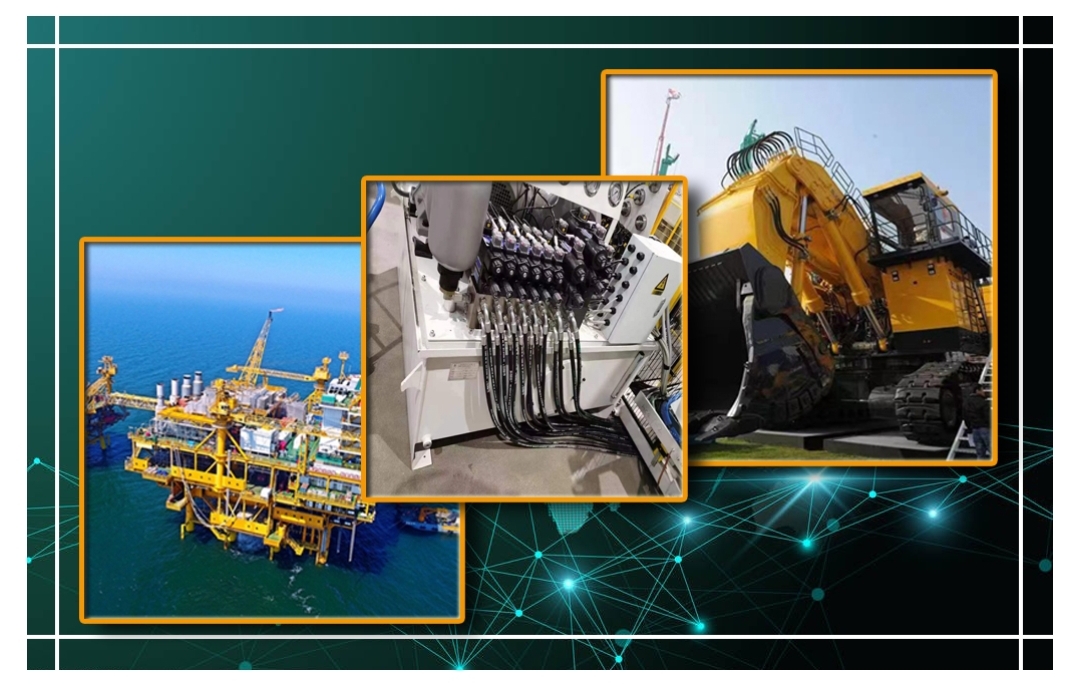
OEM Yellow Hydraulic Hose represents a critical component in fluid power systems across diverse industrial applications, including construction machinery, agricultural equipment, material handling, and manufacturing processes. These hoses are designed to transmit hydraulic fluid under high pressure, facilitating the operation of actuators, motors, and other hydraulic devices. This guide provides an in-depth technical analysis of OEM yellow hydraulic hose, covering material science, manufacturing processes, performance characteristics, failure modes, and relevant industry standards. The prominent yellow color serves primarily for identification and safety, denoting its intended application as a hydraulic line, differentiating it from other fluid conveyance systems. Core performance is dictated by pressure rating, burst pressure, temperature range, and fluid compatibility, factors critical to ensuring system reliability and operator safety. The industry faces ongoing challenges related to hose longevity, minimizing fluid leakage, and complying with increasingly stringent environmental regulations concerning fluid containment.
Material Science & Manufacturing
The construction of an OEM yellow hydraulic hose typically involves several layers, each contributing to its overall performance. The inner tube, crucial for fluid compatibility, is commonly manufactured from synthetic rubbers like nitrile (NBR), chloroprene (CR), or ethylene propylene diene monomer (EPDM). NBR provides excellent resistance to petroleum-based fluids, CR offers good ozone and weathering resistance, and EPDM excels in applications requiring compatibility with phosphate ester fluids. Reinforcement layers, providing the hose’s strength and pressure resistance, are often comprised of multiple plies of high-tensile steel wire, spirally wound or braided. The number and construction of these reinforcement layers directly influence the hose’s working pressure and burst pressure. An outer cover, typically made of a synthetic rubber like polyurethane or chloroprene, protects the reinforcement layers from abrasion, weathering, and chemical attack. The manufacturing process typically begins with extrusion of the inner tube, followed by the application of reinforcement layers via braiding or spiral winding. The outer cover is then extruded, and the hose is cured using a vulcanization process, which cross-links the rubber polymers to enhance their strength, elasticity, and chemical resistance. Critical parameters during manufacturing include maintaining precise dimensional tolerances, ensuring adequate adhesion between layers, and controlling the curing temperature and time to achieve optimal material properties. Variations in these parameters can significantly impact hose performance and lifespan. The quality of the steel wire, specifically its tensile strength and surface finish, is paramount for ensuring pressure integrity.
Performance & Engineering
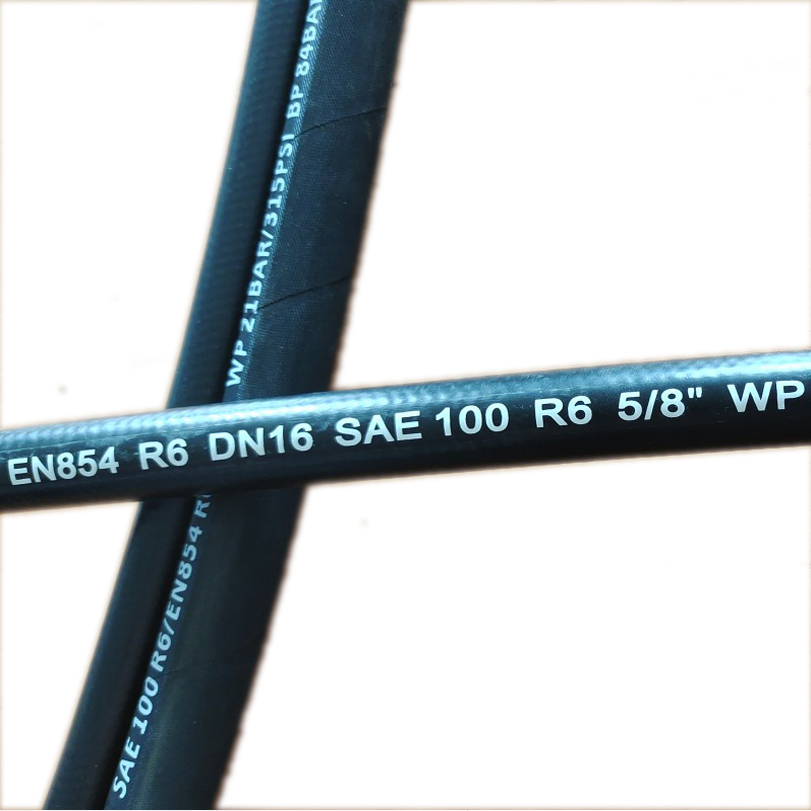
Hydraulic hose performance is governed by several key engineering principles. Force analysis, particularly stress-strain relationships within the reinforcement layers, dictates the hose's ability to withstand internal pressure without rupture. The working pressure is typically specified as a percentage (e.g., 70%) of the burst pressure, providing a safety margin to account for pressure surges and dynamic loads. Environmental resistance is crucial; exposure to extreme temperatures, UV radiation, and corrosive substances can degrade the rubber compounds, leading to reduced flexibility and eventual failure. Hydraulic hoses must comply with stringent industry standards regarding permeation – the leakage of hydraulic fluid through the hose wall. Permeation rates are often regulated to minimize environmental contamination and ensure workplace safety. Functional implementation requires consideration of hose bend radius; exceeding the minimum bend radius can induce stress concentrations and premature failure. Hose end terminations, typically crimped fittings, are critical connection points and must be properly sized and installed to prevent leakage and maintain pressure integrity. Finite element analysis (FEA) is frequently employed during the design phase to optimize hose geometry and reinforcement configurations, predicting performance under various loading conditions. The choice of hose material directly impacts its compatibility with different hydraulic fluids. Incompatible fluids can cause swelling, softening, or cracking of the inner tube, leading to fluid leakage and system malfunction.
Technical Specifications
| Parameter | Unit | Typical Value (Example) | Test Standard |
|---|---|---|---|
| Working Pressure | MPa | 20 | SAE J517 |
| Burst Pressure | MPa | 80 | SAE J517 |
| Temperature Range | °C | -40 to +100 | SAE J517 |
| Inner Tube Material | - | NBR | ASTM D2000 |
| Reinforcement | - | 2 Wire Braid | SAE J517 |
| Outer Cover Material | - | Polyurethane | ASTM D2000 |
Failure Mode & Maintenance
OEM yellow hydraulic hoses are susceptible to several failure modes. Fatigue cracking, arising from repeated pressure cycling and flexing, is a common issue, particularly in high-demand applications. Delamination, the separation of reinforcement layers from the inner tube or outer cover, can occur due to inadequate adhesion or exposure to harsh chemicals. Degradation of the rubber compounds, caused by UV radiation, ozone exposure, or chemical attack, leads to reduced flexibility and increased susceptibility to cracking. Oxidation, especially in hoses exposed to high temperatures and oxygen, results in hardening and brittleness. Abrasion, caused by rubbing against other components, can wear through the outer cover, exposing the reinforcement layers. Improper installation, such as exceeding the minimum bend radius or using incorrect fittings, can induce stress concentrations and premature failure. Maintenance involves regular visual inspection for signs of cracking, abrasion, or leakage. Hoses should be replaced if any damage is detected. Proper storage, away from direct sunlight and extreme temperatures, is crucial for extending hose lifespan. Regularly checking fitting tightness and ensuring proper fluid compatibility are also important preventative measures. Routine pressure testing can identify potential weaknesses before they lead to catastrophic failure. Implementing a preventative maintenance schedule based on operating hours or cycles is highly recommended.
Industry FAQ
Q: What is the impact of using an incompatible hydraulic fluid with a specific hose construction?
A: Utilizing an incompatible hydraulic fluid can lead to severe degradation of the inner tube material. This manifests as swelling, softening, or cracking, compromising the hose’s pressure containment capabilities and leading to leakage. Certain fluids can accelerate the aging process of the rubber, drastically reducing the hose’s service life. It is crucial to consult the hose manufacturer’s compatibility chart to ensure the fluid is suitable for the specific hose construction.
Q: How does temperature affect the performance and lifespan of a hydraulic hose?
A: Extreme temperatures, both high and low, can significantly impact hose performance. High temperatures accelerate the oxidation and degradation of rubber compounds, reducing their elasticity and strength. Low temperatures can cause the rubber to become brittle and less flexible, increasing its susceptibility to cracking. Hoses are typically rated for a specific temperature range; exceeding these limits can lead to premature failure.
Q: What is the significance of the 'burst pressure' rating, and how does it relate to the 'working pressure'?
A: Burst pressure represents the maximum pressure the hose can withstand before catastrophic failure. It is a critical safety parameter. The working pressure is a significantly lower value, typically around 70% of the burst pressure, and represents the maximum pressure the hose should be subjected to during normal operation. This safety margin accounts for pressure surges and dynamic loads.
Q: What are the key considerations when selecting a hydraulic hose for a mobile application (e.g., construction equipment)?
A: Mobile applications require hoses with superior abrasion resistance, flexibility, and resistance to weathering. Reinforcement construction is critical to withstand vibration and dynamic loads. Proper hose routing and protection are also essential to prevent damage from rubbing against other components. Consider the operating temperature range and potential exposure to harsh chemicals.
Q: What role do hose fittings play in the overall reliability of a hydraulic system?
A: Hose fittings are critical connection points and a frequent source of leakage if improperly selected or installed. Fittings must be properly sized to match the hose and the port on the hydraulic system. Correct crimping procedures are essential to ensure a secure and leak-proof connection. The fitting material must be compatible with the hose and the hydraulic fluid.
Conclusion
OEM yellow hydraulic hose serves as a vital component in numerous industrial applications, demanding a thorough understanding of its material science, manufacturing processes, and performance characteristics. Proper selection, installation, and maintenance are paramount to ensuring reliable operation and preventing catastrophic failures. The choice of appropriate materials, reinforcement construction, and fitting types directly impacts the hose’s ability to withstand pressure, temperature variations, and environmental conditions.
Continued advancements in hydraulic hose technology focus on developing more durable and chemically resistant materials, improving manufacturing processes to enhance dimensional accuracy and adhesion, and implementing advanced monitoring systems to detect potential failures before they occur. Adherence to relevant industry standards, such as those defined by SAE and ISO, is crucial for maintaining quality and safety.