
Apr . 01, 2024 17:55 Back to list
oem yellow high pressure hydraulic hose Performance Analysis

Introduction
OEM yellow high-pressure hydraulic hose constitutes a critical component in fluid power systems across diverse industrial applications, including construction equipment, agricultural machinery, and manufacturing processes. This guide details the technical aspects of these hoses, addressing their construction, material science, performance characteristics, potential failure modes, and relevant industry standards. These hoses are engineered to safely convey hydraulic fluid under significant pressure, facilitating the transmission of power. The demand for reliable and durable hoses is driven by the increasing complexity of hydraulic systems and the need to minimize downtime and maintenance costs. A key challenge lies in balancing pressure capacity with flexibility, weight, and resistance to environmental factors. This document provides a comprehensive overview for engineers, procurement managers, and maintenance personnel involved in the specification, operation, and maintenance of these essential industrial components.
Material Science & Manufacturing
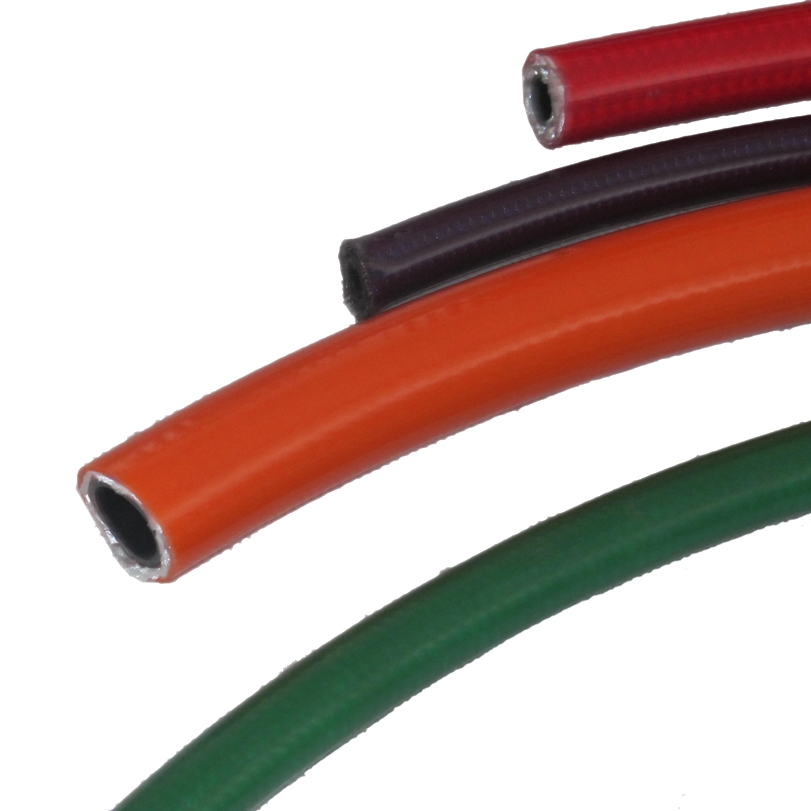
The construction of a high-pressure hydraulic hose is multi-layered, each contributing to its overall performance. The innermost layer, or tube, is typically composed of synthetic rubber compounds such as nitrile (NBR), ethylene propylene diene monomer (EPDM), or fluorocarbon (FKM – Viton®). The selection of the tube material dictates compatibility with the hydraulic fluid being conveyed. NBR offers excellent resistance to petroleum-based fluids, while EPDM is favored for phosphate ester fluids. FKM provides superior resistance to a broader range of chemicals and high temperatures. Reinforcement layers provide the pressure-withstanding capability. These are generally constructed from multiple braids of high-tensile steel wire, though aramid fiber reinforcement is used in lighter-weight applications. The number of braids directly correlates to the hose’s working pressure capacity. An exterior cover, often made of Chlorinated Polyethylene (CPE) or polyurethane, provides abrasion, ozone, and weather resistance. Manufacturing involves several key processes. The tube is extruded, followed by the winding of reinforcement layers under precise tension. The cover is then extruded over the reinforcement. Curing (vulcanization) is a critical step, employing heat and pressure to crosslink the rubber polymers, enhancing strength and elasticity. Quality control at each stage, including pressure testing to 1.5 times the working pressure, ensures compliance with safety standards. Parameter control during extrusion (temperature, speed) is vital to ensuring consistent wall thickness and material distribution.
Performance & Engineering
The performance of a hydraulic hose is governed by several engineering principles. Hose burst pressure is a critical safety parameter, typically exceeding the working pressure by a factor of four. Flexibility is equally important, particularly in tight spaces. This is determined by the hose's bend radius, which must be maintained to prevent kinking and damage. Tensile strength, reflecting the resistance to axial loads, is crucial for applications involving movement or vibration. Fatigue resistance, assessed through cyclic pressure testing, dictates the hose’s longevity under repeated stress. Environmental resistance is also paramount. Exposure to extreme temperatures, UV radiation, and corrosive substances can degrade the hose materials, leading to premature failure. Force analysis is used in design to determine the stresses on the hose during operation, accounting for internal pressure, external bending, and axial loads. Compliance with SAE J517 and EN 853 standards is mandatory for safety-critical applications. These standards specify requirements for pressure ratings, construction, and performance testing. Further, proper hose assembly, including the selection of compatible fittings and correct crimping procedures, is essential for maintaining hose integrity.
Technical Specifications
| Parameter | Unit | Typical Value (SAE 100R2AT Equivalent) | Tolerance |
|---|---|---|---|
| Working Pressure | MPa | 20.7 | ±0.5 |
| Burst Pressure | MPa | 82.7 | ±2.0 |
| Temperature Range | °C | -40 to +100 | ±5 |
| Inner Tube Material | - | Nitrile Rubber (NBR) | Per SAE J200 Standard |
| Reinforcement | - | Two Steel Wire Braids | Consistent Braiding Density |
| Cover Material | - | Chlorinated Polyethylene (CPE) | Abrasion and Weather Resistance |
Failure Mode & Maintenance
Hydraulic hose failure can manifest in several ways. Fatigue cracking, initiated by repeated flexing and pressure cycling, is a common mode. This often begins in the reinforcement layers and propagates through the tube. Abrasion damage, caused by contact with abrasive surfaces, can wear through the cover and reinforcement, leading to leaks. Pinholes in the tube, often resulting from corrosion or contamination, can cause fluid loss. Kinking, occurring when the hose is bent beyond its minimum bend radius, can restrict flow and damage the reinforcement. Over-pressurization, exceeding the hose’s working pressure, can lead to catastrophic rupture. Oxidation of the rubber compounds, accelerated by high temperatures and exposure to oxygen, can cause hardening and cracking. Maintenance is crucial to prolonging hose life. Regular visual inspections should identify signs of abrasion, cracking, or leaks. Hose assemblies should be replaced if any damage is detected. Proper storage, shielded from sunlight and extreme temperatures, prevents premature degradation. Periodic pressure testing, although not always practical in the field, can detect hidden weaknesses. Correct hose routing, avoiding sharp bends and contact with hot surfaces, minimizes stress. Furthermore, ensuring compatibility between the hose, fluid, and fittings is paramount to preventing internal degradation.
Industry FAQ
Q: What is the impact of hydraulic fluid type on hose selection?
A: The hydraulic fluid's chemical composition directly influences the inner tube material selection. Incompatible fluids can cause swelling, softening, or degradation of the tube, leading to leaks and premature failure. For example, phosphate ester fluids require EPDM tubes, while petroleum-based fluids are typically compatible with NBR. Always consult a fluid compatibility chart before selecting a hose.
Q: How does temperature affect hose performance and lifespan?
A: Extreme temperatures, both high and low, can significantly impact hose performance. High temperatures accelerate oxidation and hardening of the rubber compounds, reducing flexibility and increasing the risk of cracking. Low temperatures can decrease flexibility, making the hose more susceptible to kinking. Operating outside the specified temperature range reduces hose lifespan and compromises safety.
Q: What are the key considerations for selecting hose fittings?
A: Fittings must be compatible with the hose type, fluid, and pressure requirements. Incorrectly sized or incompatible fittings can create leak paths or induce stress concentrations in the hose. The crimping process must be performed correctly to ensure a secure and reliable connection. Always use fittings certified to relevant industry standards (e.g., SAE J514).
Q: What are the signs that a hydraulic hose needs to be replaced?
A: Visible signs of damage, such as cracks, abrasions, bulges, or leaks, indicate the hose needs immediate replacement. Also, any evidence of kinking, twisting, or internal degradation should prompt replacement. If the hose has been exposed to extreme temperatures or incompatible fluids, it should be replaced even if no visible damage is present.
Q: How important is proper hose routing and support?
A: Proper hose routing and support are critical for preventing premature failure. Avoid sharp bends, excessive twisting, and contact with abrasive surfaces or hot components. Use hose supports to prevent sagging and vibration, which can induce fatigue. Ensure adequate clearance to prevent the hose from being pinched or crushed.
Conclusion
OEM yellow high-pressure hydraulic hose represents a sophisticated engineering component demanding careful selection, installation, and maintenance. Understanding the interplay between material science, manufacturing processes, and performance characteristics is crucial for ensuring safe and reliable operation. Failure to address these factors can lead to costly downtime, environmental hazards, and potential personnel injury.
Continued advancements in materials and manufacturing techniques are focused on developing hoses with increased pressure ratings, improved flexibility, and enhanced resistance to environmental degradation. Adherence to relevant industry standards, coupled with proactive maintenance programs, remains paramount for maximizing hose lifespan and minimizing operational risks. The future of hydraulic hose technology lies in the development of smart hoses with integrated sensors for real-time monitoring of pressure, temperature, and fluid condition.