
Apr . 01, 2024 17:55 Back to list
oem wrapped cover hydraulic hose Performance Analysis
Introduction
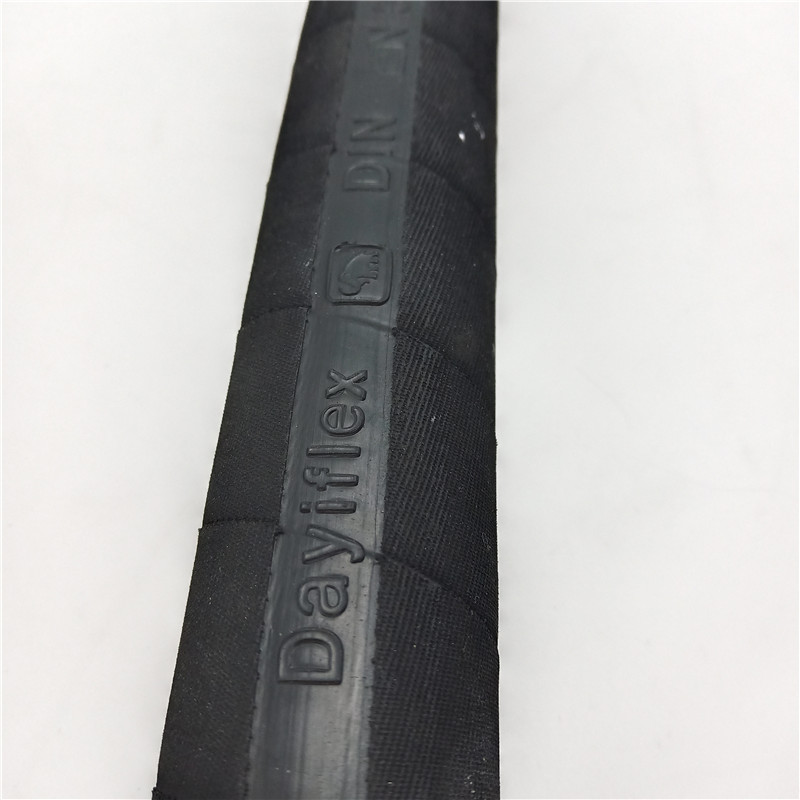
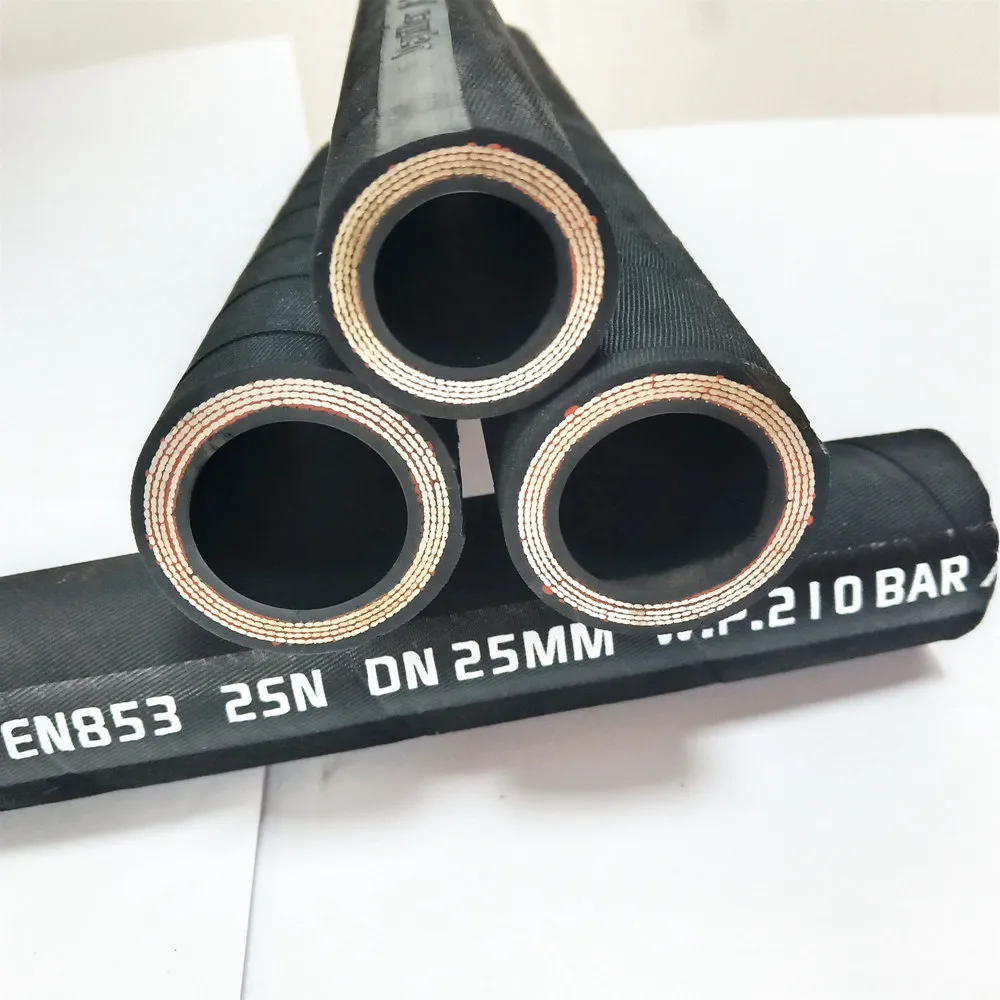
OEM wrapped cover hydraulic hose represents a critical component in fluid power systems across a diverse range of industries including construction, agriculture, material handling, and manufacturing. These hoses are designed to transmit hydraulic fluid under high pressure, enabling the operation of hydraulic machinery. Unlike standard hydraulic hose, OEM wrapped cover versions are specifically manufactured to customer specifications, often involving unique cover materials, reinforcement configurations, and end fitting integrations. This customization addresses stringent performance requirements and application-specific constraints. The hose’s construction comprises an inner tube (typically synthetic rubber), multiple layers of reinforcement (braid or spiral wound wire), and an outer cover providing abrasion and environmental protection. Core performance parameters include pressure rating, temperature range, fluid compatibility, and resistance to external damage. A crucial pain point in the industry is ensuring consistent quality and traceability in OEM production, requiring robust quality control systems and material certifications. Furthermore, maintaining dimensional accuracy and ensuring compatibility with complex hydraulic systems demands precise manufacturing processes and detailed engineering collaboration.
Material Science & Manufacturing
The core materials driving performance in OEM wrapped cover hydraulic hose are the inner tube compound, the reinforcement materials, and the outer cover elastomer. Inner tubes are typically formulated from nitrile rubber (NBR) for oil resistance, ethylene propylene diene monomer (EPDM) for water and phosphate ester fluid compatibility, or fluorocarbon rubber (FKM) for aggressive chemical environments. Material selection hinges on the intended fluid being conveyed and the operating temperature. Reinforcement layers commonly utilize high-tensile steel wire, either braided in multiple helices or spirally wound. Spiral wire reinforcement delivers higher pressure ratings but can exhibit reduced flexibility. The outer cover is typically a synthetic rubber compound such as polyurethane, offering exceptional abrasion resistance, or a blended elastomer providing a balance of abrasion, oil, and weather resistance. Manufacturing processes begin with inner tube extrusion, followed by reinforcement layer application. Braiding requires precise control of wire tension and helix angle to ensure uniform reinforcement. Spiral winding demands accurate wire positioning and consistent pitch. The outer cover is then extruded over the reinforced carcass, followed by curing. Critical process parameters include extrusion temperature, curing time and temperature, and wire tension. Improper curing can lead to reduced elasticity and premature failure. Dimensional control is maintained through continuous gauging and in-process inspection. Post-production testing verifies pressure rating, burst pressure, and bend radius compliance.
Performance & Engineering
Hydraulic hose performance is fundamentally governed by stress analysis and fluid mechanics. The hose must withstand internal pressure without yielding or bursting, and external loads without collapsing. Burst pressure is typically four times the working pressure, providing a safety factor. Finite Element Analysis (FEA) is frequently employed during the design phase to model stress distribution under various loading conditions. Fatigue analysis is critical, especially in applications involving cyclical pressure and bending. Hose flexibility is dictated by the reinforcement configuration and cover compound’s modulus of elasticity. Tight bend radii can induce stress concentrations and accelerate fatigue failure. Environmental resistance is paramount, including protection against ozone, UV radiation, and chemical exposure. Cover materials are selected to mitigate these degradation mechanisms. Compliance with industry standards (SAE J517, EN 853, ISO 6898) is essential to ensure safety and interchangeability. Engineering considerations also encompass fluid compatibility. Incompatible fluids can cause swelling, softening, or degradation of the inner tube, leading to leaks or failure. Static electricity buildup is another concern, particularly with non-conductive cover materials; anti-static additives may be required. The fitting connection is a critical area for potential failure; proper crimping and fitting selection are vital to maintain the hose’s pressure rating and prevent blow-off.
Technical Specifications
| Parameter | Unit | Specification Range (Example) | Test Standard |
|---|---|---|---|
| Working Pressure | MPa | 10 - 35 | SAE J517 |
| Burst Pressure | MPa | 40 - 140 | SAE J517 |
| Temperature Range | °C | -40 to +100 | SAE J517 |
| Inner Tube Material | - | NBR, EPDM, FKM | ASTM D2000 |
| Reinforcement Type | - | Braided Steel Wire, Spiral Steel Wire | SAE J517 |
| Cover Material | - | Polyurethane, Synthetic Rubber Blend | ASTM D2000 |
Failure Mode & Maintenance
Failure modes in OEM wrapped cover hydraulic hose are diverse and dependent on operating conditions. Common failure mechanisms include: 1) Fatigue Cracking: Repeated bending and pressure cycling can initiate cracks in the reinforcement layers or at the fitting connection. 2) Abrasion Damage: External abrasion can compromise the cover, exposing the reinforcement to corrosion and ultimately leading to failure. 3) Chemical Degradation: Exposure to incompatible fluids can cause the inner tube to swell, soften, or degrade, resulting in leaks. 4) Heat Degradation: Elevated temperatures can accelerate the aging process of the rubber compounds, reducing elasticity and increasing susceptibility to failure. 5) Hose Twist: Twisting the hose during installation or operation can induce localized stresses and reduce its lifespan. 6) Blow-out: Improper crimping of fittings or exceeding the pressure rating can lead to fitting failure and hose blow-out. Preventative maintenance includes regular visual inspections for abrasion, cracking, and leaks. Hose should be replaced if any damage is detected. Proper routing and support mechanisms should be employed to minimize bending and abrasion. Fluid compatibility should be verified before use. Regularly check the torque of fittings. Avoid sharp bends and twisting. Storage conditions should be cool, dry, and protected from sunlight. Following manufacturer’s recommendations for hose replacement intervals is crucial for maintaining system reliability.
Industry FAQ
Q: What are the key differences between braided and spiral reinforced hydraulic hose in terms of performance and application?
A: Braided hose offers greater flexibility, making it suitable for applications with tight bend radii. However, spiral hose provides significantly higher pressure ratings and resistance to kinking. Spiral hose is generally preferred for high-pressure, heavy-duty applications, while braided hose is more versatile for general hydraulic systems.
Q: How does the choice of cover material impact the service life of the hydraulic hose?
A: The cover material protects the reinforcement layers from environmental damage. Polyurethane covers offer superior abrasion resistance, extending service life in abrasive environments. Synthetic rubber blends provide a balance of abrasion, oil, and weather resistance. Selecting the appropriate cover material for the specific application is crucial for maximizing hose longevity.
Q: What are the potential consequences of using an incompatible fluid with the hose’s inner tube material?
A: Incompatible fluids can cause the inner tube to swell, soften, or degrade, leading to leaks, reduced pressure rating, and ultimately, hose failure. It’s essential to verify fluid compatibility with the hose’s inner tube material before operation. Refer to the manufacturer’s chemical compatibility chart.
Q: What quality control measures are essential during the OEM manufacturing process to ensure consistent hose performance?
A: Key quality control measures include raw material certification, in-process dimensional inspection, pressure testing to verify burst and working pressure, and leak testing. Statistical process control (SPC) should be implemented to monitor critical process parameters and ensure consistent manufacturing. Traceability of materials and production batches is also crucial.
Q: How does temperature affect the performance and lifespan of a hydraulic hose?
A: Elevated temperatures accelerate the aging process of the rubber compounds, reducing elasticity and increasing susceptibility to failure. Low temperatures can reduce flexibility and increase the risk of cracking. Operating the hose within its specified temperature range is critical for maintaining performance and lifespan.
Conclusion
OEM wrapped cover hydraulic hose represents a highly engineered product vital for the safe and efficient operation of hydraulic systems. The hose’s performance is intimately tied to material selection, manufacturing processes, and adherence to industry standards. Understanding the potential failure modes and implementing proactive maintenance strategies are essential for maximizing service life and preventing costly downtime. Proper specification and careful consideration of operating conditions are paramount.
Looking ahead, advancements in materials science and manufacturing techniques will continue to drive improvements in hydraulic hose performance. The development of more durable and chemically resistant elastomers, coupled with innovative reinforcement designs, will enable the creation of hoses capable of withstanding even more demanding operating environments. Increasing emphasis on sustainability will also lead to the exploration of bio-based and recyclable materials.