
Apr . 01, 2024 17:55 Back to list
oem two wire braided high pressure hydraulic hose Performance Analysis
Introduction
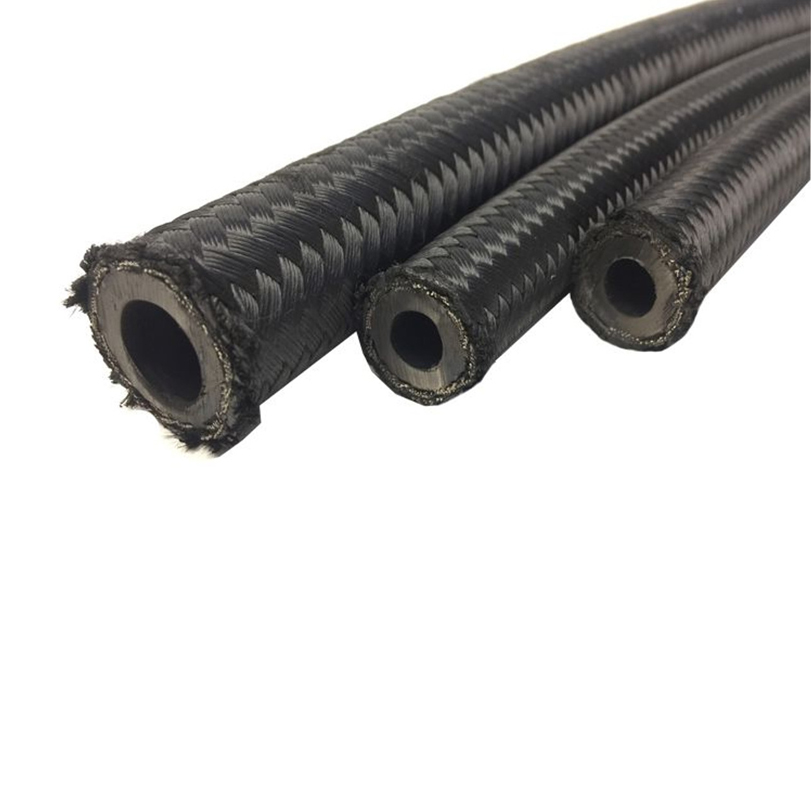
OEM two-wire braided high-pressure hydraulic hose represents a critical component in fluid power systems across a multitude of industries, including construction, agriculture, manufacturing, and oil & gas. Positioned within the hydraulic system as the conduit for pressurized fluid (typically hydraulic oil), its primary function is to transmit power from the pump to the actuators. This hose type distinguishes itself through a robust construction featuring an inner tube, two layers of high-tensile steel wire braid reinforcement, and a durable outer cover. Core performance characteristics are defined by working pressure, burst pressure, temperature range, and fluid compatibility. The industry is increasingly focused on hose longevity, reduced leakage, and adherence to stringent safety standards due to the inherent risks associated with hydraulic fluid failure. The demand for custom OEM solutions—tailored to specific application requirements regarding length, fitting types, and fluid resistance—is a significant driver in this sector. Understanding the interplay between material selection, manufacturing process controls, and operational parameters is vital for ensuring optimal performance and preventing catastrophic failure.
Material Science & Manufacturing
The core materials of a two-wire braided hydraulic hose directly dictate its performance capabilities. The inner tube is typically constructed from a synthetic rubber compound, commonly nitrile (NBR) for oil-based hydraulic fluids, or fluoroelastomer (FKM/Viton) for applications requiring resistance to aggressive chemicals, high temperatures, or specialized fluids like phosphate ester. NBR offers excellent abrasion resistance and cost-effectiveness, while FKM provides superior temperature and chemical resistance, albeit at a higher cost. The reinforcement layer consists of high-tensile steel wire, meticulously braided in a helical pattern. The wire's tensile strength, typically ranging from 1770-2170 N/mm², is crucial for withstanding internal pressure. The outer cover is usually a synthetic rubber, such as chloroprene (CR) or polyurethane (PU), offering protection against abrasion, weathering, ozone, and oil.
Manufacturing involves several key steps. The inner tube is extruded through a die to achieve the desired dimensions and homogeneity. The steel wire is then precisely braided around the tube, ensuring consistent pitch and coverage. This braiding process is critical as any inconsistencies can create stress concentrations and premature failure points. Following braiding, the outer cover is applied through extrusion. Quality control throughout the process includes dimensional checks, pressure testing, and visual inspection for defects. Vulcanization, a chemical process involving heating the rubber compounds with sulfur or other curing agents, is employed to crosslink the polymer chains, enhancing the material's strength, elasticity, and resistance to degradation. Critical parameters during vulcanization include temperature, time, and pressure, which must be precisely controlled to achieve optimal material properties. Post-vulcanization, hoses are subjected to rigorous testing to verify compliance with industry standards.

Performance & Engineering
The performance of a two-wire braided hydraulic hose is governed by several engineering principles. Internal pressure generates hoop stress within the hose wall, which the steel wire braid is designed to counteract. The braid's helical structure converts the axial force into compressive stress, effectively resisting the expanding force of the pressurized fluid. The number of wires per inch, and the overall braid angle, directly influence the hose's burst pressure capability. Fatigue life is a crucial consideration, particularly in applications involving pulsating pressures. Repeated flexing and pressure cycling can lead to fatigue cracking in the wire braid or degradation of the rubber compounds.
Environmental resistance is also paramount. Exposure to extreme temperatures, UV radiation, ozone, and corrosive fluids can degrade the hose materials, reducing its service life. The selection of appropriate rubber compounds (NBR, FKM, etc.) is essential to mitigate these effects. Hydraulic fluid compatibility is another critical aspect. Incompatible fluids can cause swelling, softening, or cracking of the inner tube, leading to leakage and system failure. Compliance requirements, dictated by standards like SAE J517 and EN 853, specify minimum performance criteria for burst pressure, working pressure, and temperature range. Proper hose assembly, including the correct crimping of fittings, is essential to ensure a secure and leak-free connection. Incorrect crimping can lead to fitting blow-off or hose failure at the connection point. Force analysis considers not only static pressure but also dynamic loads from bending, twisting, and vibration.
Technical Specifications
| Parameter | Unit | Typical Value (NBR Inner Tube) | Typical Value (FKM Inner Tube) |
|---|---|---|---|
| Working Pressure | MPa | 20.7 | 20.7 |
| Burst Pressure | MPa | 82.7 | 82.7 |
| Temperature Range | °C | -40 to +100 | -26 to +204 |
| Inner Diameter | mm | 6 - 51 | 6 - 51 |
| Outer Diameter | mm | 11 – 65 | 11 – 65 |
| Wire Braid Type | - | Two Wire Steel | Two Wire Steel |
Failure Mode & Maintenance
Failure modes in two-wire braided hydraulic hoses are diverse and often interconnected. Fatigue cracking, particularly in the steel wire braid, is a common failure mechanism resulting from cyclic loading. This often initiates at points of high stress concentration, such as near fittings or areas of localized damage. Another frequent failure mode is pinhole leakage in the inner tube, caused by degradation of the rubber compound due to chemical attack, high temperature, or abrasion. Delamination—the separation of the layers (inner tube, braid, outer cover)—can occur due to inadequate bonding between materials or exposure to harsh environmental conditions. Oxidation of the steel wire, particularly in humid environments, can lead to corrosion and reduced tensile strength. External damage, such as abrasion from rubbing against other components or impact from flying debris, can compromise the hose's integrity.
Preventative maintenance is crucial for maximizing hose service life. Regular visual inspections should be conducted to identify signs of wear, damage, or leakage. Hoses should be replaced if any defects are detected. Proper routing and support are essential to prevent excessive bending, twisting, and abrasion. Avoid sharp bends and ensure adequate clearance from hot surfaces or moving parts. Periodic fluid analysis can help identify contaminants or degradation products that could accelerate hose failure. When replacing hoses, always use fittings that are compatible with the hose material and operating pressure. Proper crimping procedures are critical to ensure a secure and leak-free connection. Consider implementing a hose management program to track hose replacement intervals and maintain a record of hose performance. Storage of hoses should be in a cool, dry, and dark location to prevent degradation.
Industry FAQ
Q: What is the significance of the wire braid coverage percentage in a two-wire braided hose?
A: Wire braid coverage percentage directly relates to the hose’s ability to withstand internal pressure. Higher coverage means more wire is present per unit length, increasing the resistance to expansion under pressure and therefore a higher burst pressure rating. However, increased coverage can also reduce the hose’s flexibility.
Q: How does temperature affect the performance of a hydraulic hose with an NBR inner tube?
A: NBR rubber is susceptible to degradation at both high and low temperatures. Prolonged exposure to temperatures exceeding 100°C can cause hardening and cracking, while low temperatures can reduce flexibility and increase the risk of cracking. The recommended operating temperature range for NBR hoses is typically -40°C to +100°C.
Q: What are the common causes of hose fitting failure?
A: The most common causes include improper crimping, using incorrect fittings for the hose and fluid, corrosion of the fitting material, and exceeding the fitting's pressure rating. A loose or damaged crimp can allow the fitting to separate from the hose, leading to a catastrophic failure.
Q: Can different hydraulic fluids be used interchangeably in the same hose?
A: No. Different hydraulic fluids have different chemical compositions and compatibility requirements. Using an incompatible fluid can cause the inner tube to swell, soften, or degrade, leading to leakage and system failure. Always verify fluid compatibility with the hose material.
Q: What is the role of the outer cover in a hydraulic hose?
A: The outer cover provides essential protection against external factors such as abrasion, weathering (UV radiation, ozone), oil spills, and chemical exposure. It safeguards the reinforcement layers and prevents damage that could compromise the hose’s structural integrity and lead to premature failure.
Conclusion
OEM two-wire braided high-pressure hydraulic hose is a highly engineered product, critical to the safe and efficient operation of numerous hydraulic systems. Its performance is directly linked to the careful selection of materials – from the inner tube's fluid compatibility to the steel wire braid's tensile strength – and meticulous control of the manufacturing processes. Understanding the potential failure modes, encompassing fatigue, chemical degradation, and external damage, is crucial for implementing effective preventative maintenance strategies.
The future of hydraulic hose technology will likely focus on the development of advanced materials with enhanced durability, chemical resistance, and temperature performance. Furthermore, the integration of smart sensors and predictive maintenance algorithms will enable proactive monitoring of hose condition and optimized replacement schedules, minimizing downtime and maximizing operational efficiency. Adherence to international standards and rigorous quality control remain paramount to ensuring the reliability and safety of these essential components.