
Apr . 01, 2024 17:55 Back to list
oem two fiber braid hydraulic hose Performance Analysis
Introduction
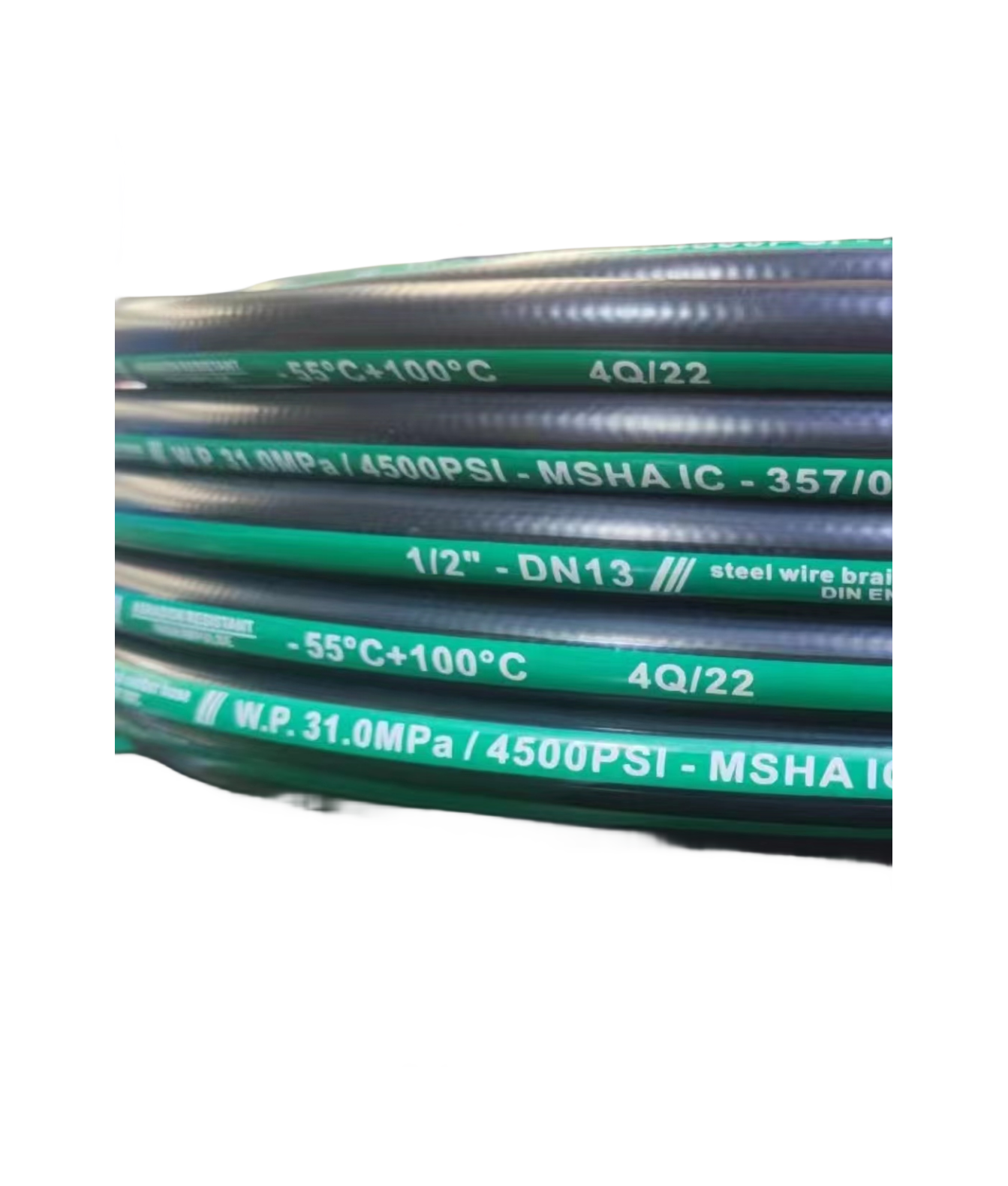
OEM two fiber braid hydraulic hose constitutes a critical component in fluid power systems across diverse industrial sectors, including construction, agriculture, manufacturing, and oil & gas. This hose type is characterized by its construction: a synthetic rubber inner tube, two layers of high-tensile fiber braid reinforcement (typically polyester or aramid), and a durable outer cover. It is engineered to convey hydraulic fluid under high pressure and in challenging operating environments. Its performance is directly tied to the precise selection of materials and manufacturing processes, offering a balance of flexibility, pressure resistance, and abrasion resistance. Compared to single-braid hose, two-braid construction provides increased working pressure capacity and significantly enhanced durability, making it suitable for demanding applications. Core performance metrics include burst pressure, working pressure, bend radius, and resistance to fluid compatibility and environmental degradation. This guide provides an in-depth technical overview of OEM two fiber braid hydraulic hose, covering material science, manufacturing, performance characteristics, failure modes, and relevant industry standards.
Material Science & Manufacturing
The foundation of two fiber braid hydraulic hose performance lies in the carefully selected materials. The inner tube is typically composed of Nitrile (NBR), known for its excellent resistance to petroleum-based hydraulic fluids, or Ethylene Propylene Diene Monomer (EPDM) rubber for phosphate ester fluids. NBR exhibits good abrasion resistance but limited temperature range; EPDM offers superior temperature and ozone resistance. The reinforcement braids are usually high-tensile polyester or aramid fibers. Polyester provides good strength and cost-effectiveness, whereas aramid (like Kevlar) delivers exceptional strength-to-weight ratio and heat resistance, albeit at a higher cost. The outer cover commonly employs Chloroprene (CR) rubber, offering excellent abrasion, ozone, and weathering resistance.
Manufacturing involves a multi-stage process. First, the inner tube is extruded through a die to achieve the desired bore size and wall thickness. The extrusion process requires precise control of temperature, screw speed, and die pressure to ensure uniformity. Following extrusion, the inner tube undergoes curing—a vulcanization process using heat and pressure to cross-link the rubber molecules, enhancing its strength and elasticity. Next, the two fiber braid layers are spirally wound around the inner tube using automated braiding machines. Braid tension and angle are critical parameters; inadequate tension leads to structural weakness, while incorrect angle affects burst pressure. The braided structure is then typically adhered to the inner tube with a bonding agent. Finally, the outer cover is extruded over the braided structure, followed by another curing stage. Post-production, hoses undergo rigorous testing, including hydrostatic pressure testing and impulse testing, to verify compliance with industry standards. Quality control at each stage is paramount to maintain consistent performance and reliability.
Performance & Engineering
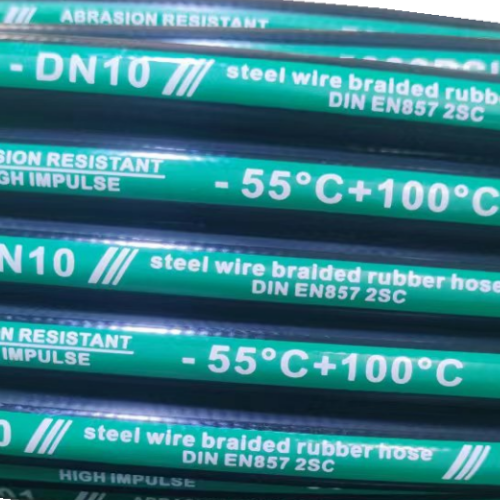
The performance of two fiber braid hydraulic hose is governed by several key engineering principles. Burst pressure, the maximum pressure the hose can withstand before rupture, is directly proportional to the tensile strength of the reinforcement braids and the adhesion between the braid and the inner tube. Working pressure is typically 50-70% of the burst pressure, providing a safety factor. Hose flexibility, quantified by bend radius, is influenced by the hose’s diameter and the braid construction. A tighter braid generally reduces flexibility. Fatigue resistance, essential for applications involving cyclical pressure, is determined by the hose’s ability to withstand repeated pressure fluctuations without failure. This is dependent on material properties, braid structure, and manufacturing quality.
Environmental resistance is critical. Hose materials must resist degradation from exposure to ozone, UV radiation, extreme temperatures, and various chemicals. Hydraulic fluids themselves can affect hose performance; incompatibility can lead to swelling, softening, or cracking. Compliance requirements, such as those specified by SAE (Society of Automotive Engineers) and EN (European Norms), dictate minimum performance standards for burst pressure, impulse testing, and temperature range. Force analysis, incorporating considerations of internal pressure, external loads, and bending stresses, is essential for selecting the appropriate hose for a given application. The correct hose selection minimizes the risk of failure and ensures system safety and reliability.
Technical Specifications
| Parameter | Specification (Typical) | Test Standard | Unit |
|---|---|---|---|
| Working Pressure | 2000-3000 | SAE J517 | PSI |
| Burst Pressure | 6000-9000 | SAE J517 | PSI |
| Temperature Range | -40 to +100 | SAE J517 | °C |
| Inner Tube Material | NBR/EPDM | ASTM D2000 | - |
| Reinforcement | Two Polyester/Aramid Braids | ASTM D790 | - |
| Outer Cover Material | CR | ASTM D2000 | - |
Failure Mode & Maintenance
Failure modes in two fiber braid hydraulic hose are varied and often interconnected. Fatigue cracking, initiated by cyclical pressure fluctuations, is a common failure mode, particularly in applications with high vibration. The cracks typically originate in the braid structure and propagate through the rubber matrix. Delamination, the separation of the braid from the inner tube or outer cover, occurs due to inadequate bonding or exposure to aggressive fluids. Degradation of the rubber materials, caused by exposure to ozone, UV radiation, or extreme temperatures, leads to loss of elasticity and increased susceptibility to cracking. Oxidation, especially in the inner tube, can result from fluid contamination or prolonged exposure to oxygen. Abrasion, caused by external contact with abrasive surfaces, damages the outer cover, leading to braid exposure and subsequent corrosion.
Preventative maintenance is crucial for extending hose life. Regular visual inspections should be conducted to identify signs of cracking, abrasion, or swelling. Hose should be replaced if any damage is detected. Maintaining proper fluid cleanliness is essential to prevent internal degradation. Using appropriate hose guards can protect against abrasion and external damage. Correct hose routing, avoiding sharp bends and excessive strain, minimizes stress and fatigue. Impulse testing during manufacturing, and periodic in-service testing, provides an early warning of potential failures. Proper storage, away from direct sunlight and extreme temperatures, extends the hose’s shelf life. Documenting inspection and maintenance records is recommended for tracking hose performance and identifying trends.
Industry FAQ
Q: What is the primary difference between polyester and aramid reinforcement in terms of performance?
A: Aramid reinforcement offers significantly higher tensile strength and heat resistance compared to polyester. This translates to a higher burst pressure capacity and improved performance in high-temperature applications. However, aramid is more expensive and can be more susceptible to damage from bending and abrasion if not properly handled.
Q: How does fluid compatibility impact hose life?
A: Incompatible fluids can cause swelling, softening, or cracking of the inner tube material, leading to premature failure. It's crucial to verify the hose's fluid compatibility before use. Using the wrong hose with a specific fluid dramatically reduces its lifespan and can create a safety hazard.
Q: What is the significance of impulse testing, and what does it measure?
A: Impulse testing simulates the pulsating pressure experienced in hydraulic systems. It measures the hose’s ability to withstand repeated pressure fluctuations without failure. A higher impulse cycle rating indicates greater fatigue resistance and longer service life.
Q: What is the recommended bend radius for two fiber braid hose?
A: The recommended bend radius is typically 4 to 6 times the hose’s inner diameter. Exceeding this limit can create stress concentrations, leading to premature fatigue failure. Proper hose routing is critical for maximizing service life.
Q: What should be considered when selecting a hose for outdoor applications?
A: For outdoor applications, choose a hose with an outer cover material that is resistant to ozone, UV radiation, and weathering. Chloroprene (CR) rubber is commonly used for this purpose. Additionally, consider the temperature range and potential exposure to chemicals.
Conclusion
OEM two fiber braid hydraulic hose represents a robust and reliable solution for a wide range of hydraulic power transmission applications. Its performance is intrinsically linked to the synergistic properties of its constituent materials – the rubber compounds and reinforcing fibers – and the precision of its manufacturing processes. Understanding the interplay between pressure ratings, temperature limitations, fluid compatibility, and potential failure modes is crucial for ensuring safe and efficient operation.
Future advancements in hose technology may focus on the development of new materials with enhanced durability and chemical resistance, as well as innovative braiding techniques to improve flexibility and impulse performance. Implementing predictive maintenance strategies, leveraging sensor technology to monitor hose condition in real-time, will also play a crucial role in optimizing system reliability and minimizing downtime. Careful consideration of these technical aspects will contribute to the longevity and effectiveness of hydraulic systems across diverse industries.