
Apr . 01, 2024 17:55 Back to list
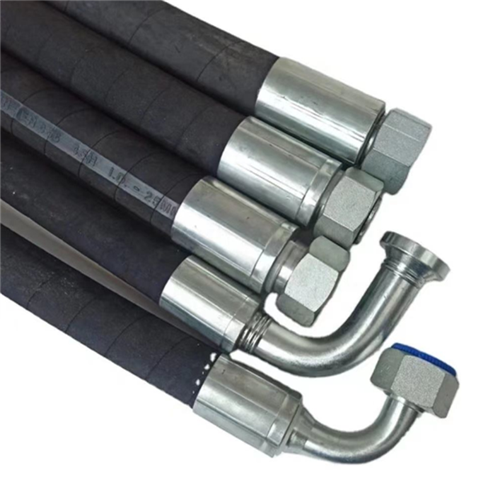
oem top quality high pressure hydraulic hose Performance Analysis
Introduction
High-pressure hydraulic hoses are critical components in fluid power systems, facilitating the transmission of hydraulic fluid to actuators and other hydraulic devices. OEM top quality high-pressure hydraulic hose denotes a product engineered to meet or exceed stringent original equipment manufacturer (OEM) specifications, prioritizing reliability, durability, and safety. These hoses typically operate within hydraulic systems used in construction equipment, agricultural machinery, material handling, and industrial manufacturing. Performance characteristics, including burst pressure, working pressure, temperature range, and fluid compatibility, are paramount. The core challenge within the industry revolves around extending hose lifespan in increasingly demanding operating environments while maintaining consistent performance and adherence to evolving safety standards. This guide provides an in-depth technical overview of high-pressure hydraulic hoses, covering material science, manufacturing processes, performance parameters, failure modes, and relevant industry standards.
Material Science & Manufacturing
The construction of a high-pressure hydraulic hose involves several key material components. The inner tube, typically made from a synthetic rubber compound such as nitrile (NBR), chloroprene (CR), or ethylene propylene diene monomer (EPDM), must exhibit excellent resistance to the hydraulic fluid being conveyed. NBR is commonly used for petroleum-based fluids, CR offers broader fluid compatibility, and EPDM excels in phosphate ester-based fluids. Reinforcement layers are critical for withstanding high internal pressures. These layers usually consist of multiple plies of high-tensile steel wire, spirally or braided, providing the hose's strength. Aramid fiber reinforcement is also employed in some applications, offering a lighter weight alternative, though with lower burst pressure capabilities. The outer cover, typically a synthetic rubber such as polyurethane, provides abrasion resistance, weather protection, and resistance to ozone and UV degradation. Manufacturing processes vary based on hose type. Braided hoses are produced by interlacing steel wires around the inner tube using a braiding machine. Spiral hoses involve wrapping steel wire helically around the inner tube. Post-manufacturing, hoses undergo rigorous testing, including pressure testing, impulse testing, and dimensional verification. Precise control of curing temperatures and pressures during rubber vulcanization is essential to achieve optimal material properties and bond strength between layers. The selection of rubber compounds and reinforcement materials is crucial to achieving specific performance targets, such as fluid compatibility, operating temperature range, and resistance to abrasion and kinking.

Performance & Engineering
The performance of a high-pressure hydraulic hose is dictated by several key engineering parameters. Burst pressure, defined as the pressure at which the hose fails catastrophically, is a critical safety specification. Working pressure, typically a fraction (e.g., 50-70%) of the burst pressure, represents the maximum recommended operating pressure. Impulse pressure, referring to pressure surges and fluctuations within the hydraulic system, requires the hose to exhibit fatigue resistance to prevent premature failure. Temperature range is also crucial, as both high and low temperatures can affect the hose’s flexibility and structural integrity. Fluid compatibility is essential; incompatible fluids can cause swelling, degradation, or permeation of the inner tube. Hose bend radius is a critical factor, influencing both performance and lifespan. Excessive bending can lead to localized stress concentrations and premature fatigue. Finite Element Analysis (FEA) is frequently used in the design process to optimize hose geometry and reinforcement configurations, predicting stress distributions under various loading conditions. Compliance requirements, such as those outlined by SAE J517 and EN 853, dictate minimum performance standards and testing protocols. The selection of appropriate end fittings (e.g., crimped, swaged, or field-attachable) is also crucial, as a mismatched or improperly installed fitting can compromise the hose’s integrity and lead to leakage or failure. Consideration must also be given to the hose’s susceptibility to external damage, such as abrasion, cutting, and impact.
Technical Specifications
| Parameter | Unit | Typical Value (DN19, 2-wire braid) | Typical Value (DN50, 4-wire spiral) |
|---|---|---|---|
| Working Pressure | MPa | 25 | 40 |
| Burst Pressure | MPa | 75 | 120 |
| Temperature Range | °C | -40 to +100 | -40 to +120 |
| Inner Tube Material | - | NBR | EPDM |
| Reinforcement | - | 2 Steel Wire Braid | 4 Steel Wire Spiral |
| Outer Cover Material | - | Polyurethane | Polyurethane |
Failure Mode & Maintenance
High-pressure hydraulic hoses are susceptible to several failure modes. Fatigue cracking, resulting from repeated pressure cycling and bending, is a common cause of failure, particularly in applications with frequent impulse pressures. Abrasion, caused by external contact with abrasive surfaces, can wear through the outer cover, exposing the reinforcement layers and leading to catastrophic failure. Kinking, resulting from excessive bending beyond the minimum bend radius, can induce localized stress concentrations and weaken the hose. Pinholing, caused by corrosion or damage to the inner tube, can lead to leakage. Blow-out, resulting from a failure of the hose end fitting, is often caused by improper crimping or corrosion. Swelling, caused by incompatibility between the hydraulic fluid and the inner tube material, can compromise the hose’s structural integrity. Regular visual inspections are crucial for identifying signs of damage, such as abrasions, cracks, kinks, and leaks. Hoses should be replaced if any damage is detected. Maintaining proper system cleanliness is essential to prevent contamination from abrasive particles. Using the correct hydraulic fluid and ensuring proper fluid filtration helps prolong hose life. Avoid over-pressurization and exceeding the hose’s maximum operating temperature. Periodically check end fittings for tightness and corrosion. Proper hose routing and support mechanisms can minimize bending stress and abrasion. Implementing a preventative maintenance schedule, including regular hose inspections and replacement, is crucial for ensuring the safety and reliability of hydraulic systems.
Industry FAQ
Q: What is the impact of hydraulic fluid type on hose selection?
A: Hydraulic fluid compatibility is paramount. Using an incompatible fluid can cause swelling, degradation, or permeation of the inner tube, leading to premature failure. NBR is suitable for petroleum-based fluids, CR offers broader compatibility, and EPDM is ideal for phosphate ester fluids. Always consult the hose manufacturer’s fluid compatibility chart.
Q: How does temperature affect hose performance?
A: Extreme temperatures can significantly impact hose performance. High temperatures can reduce the hose’s flexibility and structural integrity, while low temperatures can cause it to become brittle and prone to cracking. Operating outside the specified temperature range can lead to premature failure.
Q: What are the key considerations for hose end fitting selection?
A: The end fitting must be compatible with both the hose and the hydraulic system. Ensure the fitting is properly crimped or swaged to create a leak-proof seal. Using the incorrect fitting or improper installation can compromise the hose’s integrity.
Q: How can I prevent fatigue failure in hydraulic hoses?
A: Minimize pressure surges and fluctuations by using accumulators or pulsation dampeners. Avoid excessive bending and ensure the hose is routed correctly to minimize stress. Select hoses with appropriate impulse pressure ratings. Regular inspections for signs of cracking are crucial.
Q: What is the importance of hose layline markings?
A: Layline markings provide critical information about the hose’s manufacturer, manufacturing date, and working pressure. These markings are essential for traceability and ensure the hose meets relevant safety standards. They also aid in identifying the hose type and ensuring it’s suitable for the application.
Conclusion
OEM top quality high-pressure hydraulic hose represents a critical component in a vast array of industrial applications. The longevity and reliability of these hoses are heavily dependent on meticulous material selection, precise manufacturing processes, and adherence to stringent performance standards. Understanding the interplay between fluid compatibility, pressure ratings, temperature limitations, and potential failure modes is essential for ensuring safe and efficient operation of hydraulic systems.
Future advancements in hydraulic hose technology will likely focus on developing lighter-weight, more durable materials, such as advanced polymers and composite reinforcements. Increased emphasis on smart hose technologies, incorporating sensors for real-time pressure and temperature monitoring, will further enhance safety and predictive maintenance capabilities. Continued innovation in hose end fitting designs and installation techniques will also contribute to improved system reliability and reduced downtime.