
Apr . 01, 2024 17:55 Back to list
oem stainless steel braided hose Performance Analysis
Introduction
OEM stainless steel braided hose constitutes a critical component in fluid transfer systems across diverse industries including automotive, hydraulics, pneumatics, and chemical processing. This technical guide provides a comprehensive overview of its construction, material properties, performance characteristics, failure modes, and relevant industry standards. Unlike standard rubber hoses, the stainless steel braid provides significantly enhanced pressure resistance, burst strength, and abrasion resistance, making it suitable for demanding applications. The hose is comprised of an inner tube – typically a synthetic rubber compound – reinforced by one or more layers of interwoven stainless steel wire. This combination delivers a flexible yet robust solution for conveying fluids and gases under high pressure and temperature conditions. Core performance metrics include pressure rating, temperature range, fluid compatibility, and resistance to kinking and pulsation.
Material Science & Manufacturing
The material selection for stainless steel braided hose is critical to its performance and longevity. The inner tube is commonly constructed from nitrile rubber (NBR), ethylene propylene diene monomer (EPDM) rubber, or fluorocarbon elastomers (FKM/Viton) based on fluid compatibility requirements. NBR offers excellent resistance to oil and fuels, EPDM provides superior weather resistance and compatibility with coolants, and FKM delivers exceptional resistance to high temperatures and aggressive chemicals. The stainless steel braid utilizes Type 304 or Type 316 stainless steel, chosen for their corrosion resistance and tensile strength. Type 316 offers enhanced chloride resistance, crucial in marine or chemically corrosive environments.
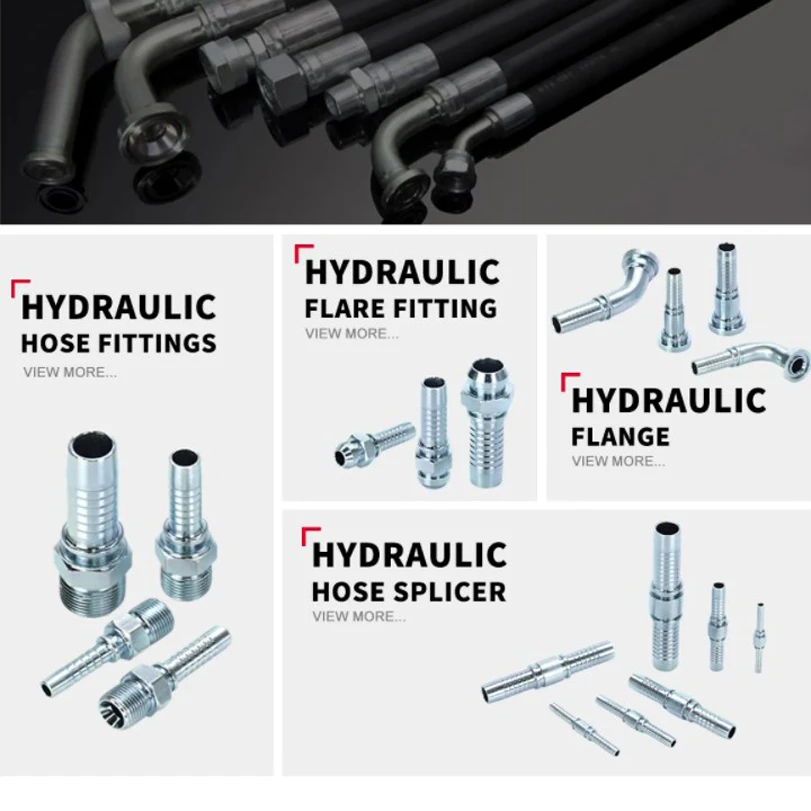
Manufacturing involves a multi-step process. First, the inner tube is extruded to the desired dimensions. Then, the stainless steel wire is meticulously braided around the tube using specialized braiding machines, controlling braid angle and density. Braid coverage is a key parameter; higher coverage yields greater pressure resistance. Following braiding, the hose assembly undergoes curing, typically utilizing vulcanization, to cross-link the rubber compound and enhance its mechanical properties. Critical control parameters during vulcanization include temperature, pressure, and time. Post-curing, the hose is inspected for defects, tested for pressure and leakage, and often fitted with end fittings – crimped or swaged onto the hose – to complete the assembly. Quality control at each stage is paramount, employing statistical process control (SPC) techniques to monitor and maintain consistent product quality.
Performance & Engineering
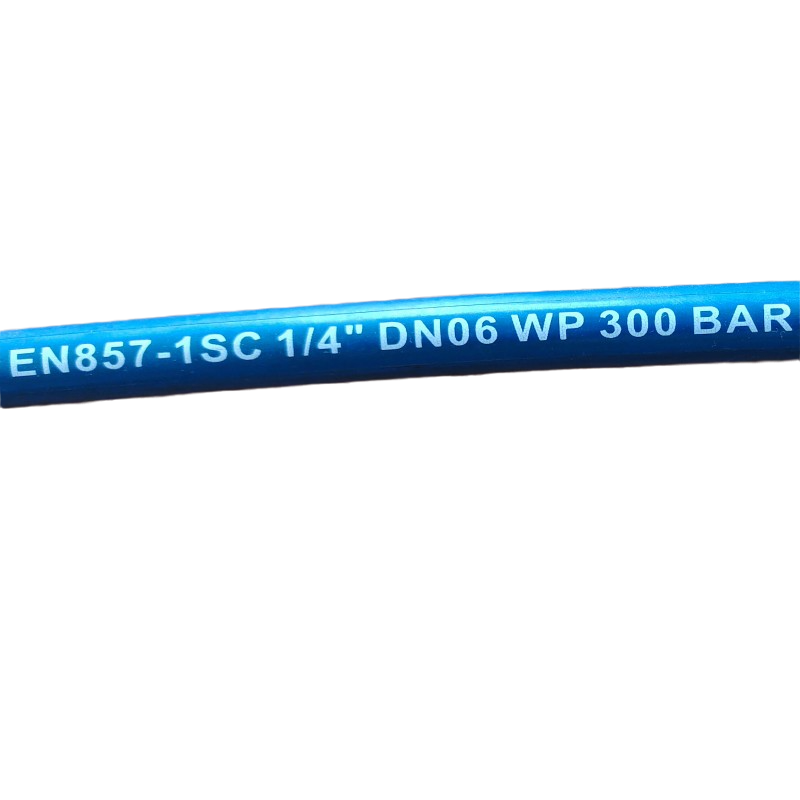
The performance of stainless steel braided hose is directly related to its design and materials. The stainless steel braid provides significant hoop stress support, preventing hose expansion under pressure. This is crucial for maintaining dimensional stability and preventing failure. Force analysis involves calculating the tensile stress in the steel braid and the hoop stress in the inner tube under maximum operating pressure. Finite Element Analysis (FEA) is frequently employed to model the stress distribution and optimize the braid structure. Burst pressure testing, conducted according to industry standards, verifies the hose's ability to withstand extreme pressure events.
Environmental resistance is another critical consideration. The hose must withstand exposure to temperature extremes, UV radiation, ozone, and various chemicals. Material selection plays a crucial role in mitigating these effects. For instance, EPDM rubber is preferred for outdoor applications due to its superior weather resistance. Compliance requirements depend on the application. Automotive hoses must meet SAE J30R standards, while hydraulic hoses often adhere to DIN EN 853 or ISO 6602. Fatigue resistance is also vital; repeated pressure cycles can lead to fatigue cracking in the steel braid or degradation of the inner tube. Pulsation resistance is addressed by optimizing braid angle and utilizing anti-kink sleeves.
Technical Specifications
| Parameter | Unit | Typical Value (SAE J30R9) | Typical Value (DIN EN 853 1SN) |
|---|---|---|---|
| Working Pressure | psi | Up to 6000 | Up to 4000 |
| Burst Pressure | psi | Up to 18000 | Up to 12000 |
| Temperature Range | °F | -40 to +350 | -40 to +100 (depending on tube material) |
| Inner Tube Material | - | NBR, EPDM, FKM | NBR, EPDM |
| Braid Material | - | SS304, SS316 | SS304 |
| Braid Coverage | % | 40-60 | 50-70 |
Failure Mode & Maintenance
Common failure modes in stainless steel braided hose include burst failure due to exceeding the working pressure, fatigue cracking in the steel braid caused by repeated pressure cycles or vibration, and degradation of the inner tube due to chemical attack or temperature extremes. Pinholes or cracks can develop in the inner tube, leading to leakage. Crimped fittings can also fail due to corrosion or improper installation. External damage, such as abrasion or impact, can compromise the hose's integrity. Electrolytic corrosion can occur if dissimilar metals are in contact, particularly in marine environments.
Preventative maintenance is crucial for maximizing hose lifespan. Regular visual inspections should be conducted to identify signs of wear, damage, or leakage. Hose routing should be optimized to minimize bending stress and abrasion. Proper fitting installation is critical; incorrect crimping or swaging can lead to premature failure. Fluid compatibility should be verified to prevent inner tube degradation. When replacing hoses, ensure that the new hose meets or exceeds the original specifications. For extended service life, consider using protective sleeves to shield the hose from abrasion and UV radiation. If any signs of damage are detected, the hose should be replaced immediately. Regular torque checks on fittings are also recommended.
Industry FAQ
Q: What is the primary advantage of stainless steel braiding over a standard rubber hose?
A: The stainless steel braid dramatically increases the hose’s pressure capacity and burst strength. It also provides superior abrasion resistance and protection against kinking, making it suitable for higher-demand applications where standard rubber hoses would fail.
Q: How does the choice of stainless steel grade (304 vs. 316) impact the hose's performance?
A: While both 304 and 316 offer excellent corrosion resistance, 316 stainless steel contains molybdenum, which significantly enhances its resistance to chloride corrosion. This makes 316 the preferred choice for marine environments or applications involving exposure to harsh chemicals.
Q: What factors influence the working pressure rating of a braided hose?
A: Working pressure is primarily determined by the inner tube material, the type of stainless steel, the braid coverage (density of the braid), and the hose diameter. Higher braid coverage and stronger materials result in a higher pressure rating.
Q: How can I determine the appropriate hose for a specific chemical application?
A: Consult chemical compatibility charts for the inner tube material. Different rubber compounds (NBR, EPDM, FKM) exhibit varying levels of resistance to different chemicals. It’s crucial to select a material that is compatible with the fluid being conveyed to prevent degradation and leakage.
Q: What are the best practices for installing and maintaining braided hose fittings?
A: Ensure fittings are properly crimped or swaged onto the hose using calibrated tools. Avoid over-tightening fittings, as this can damage the hose. Regularly inspect fittings for corrosion or leakage and replace them if necessary. Proper routing to avoid abrasion and sharp bends is also crucial.
Conclusion
OEM stainless steel braided hose represents a robust and reliable solution for fluid transfer in demanding applications. The careful selection of materials – from the inner tube compound to the stainless steel braid – and adherence to stringent manufacturing processes are paramount to ensuring consistent performance and longevity. Understanding the principles of force analysis, environmental resistance, and failure modes is crucial for proper hose selection, installation, and maintenance.
Looking ahead, advancements in materials science and manufacturing techniques will continue to enhance the performance characteristics of these hoses. The development of new rubber compounds with improved chemical resistance and the implementation of advanced braiding technologies will further extend their lifespan and broaden their applicability. Emphasis on proactive maintenance and adherence to industry standards will remain critical for maximizing the return on investment and minimizing the risk of catastrophic failure.