
Apr . 01, 2024 17:55 Back to list
oem smooth surface hydraulic hose Performance Analysis
Introduction
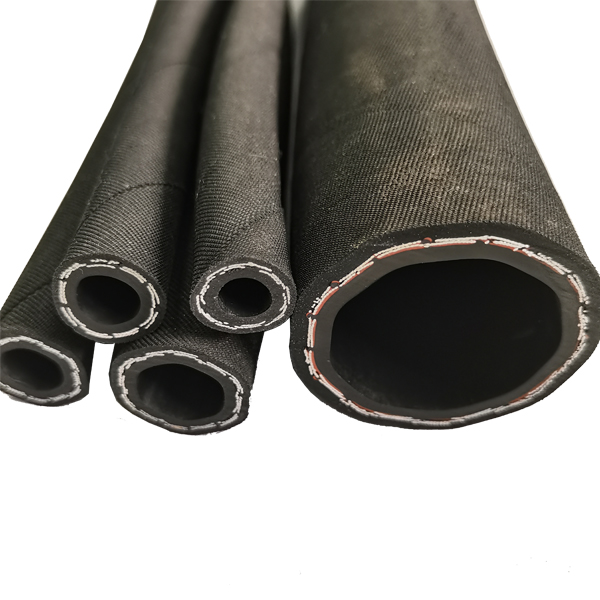
OEM smooth surface hydraulic hose represents a critical component in fluid power systems across diverse industrial applications. These hoses are engineered to convey hydraulic fluid under high pressure, facilitating the transmission of power in machinery such as construction equipment, agricultural vehicles, and industrial manufacturing systems. Distinguished by their internally smooth bore, these hoses minimize flow restriction and pressure drop, optimizing system efficiency. Unlike textured inner surfaces, the smooth bore reduces turbulence, enhancing fluid velocity and contributing to extended component life. Their construction typically involves a synthetic rubber inner tube, multiple layers of high-tensile reinforcement (often steel wire or fiber braid), and a durable, abrasion-resistant outer cover. The OEM designation indicates production to specific customer requirements, often involving tailored dimensions, materials, and performance characteristics. Core performance metrics include burst pressure, working pressure, temperature range, and fluid compatibility. This guide provides an in-depth analysis of the material science, manufacturing processes, performance characteristics, failure modes, and relevant industry standards governing these essential components.
Material Science & Manufacturing
The fabrication of OEM smooth surface hydraulic hose necessitates careful selection of materials and precise control of manufacturing parameters. The inner tube is commonly constructed from nitrile rubber (NBR), chloroprene rubber (CR), or ethylene propylene diene monomer (EPDM) rubber, each offering varying degrees of oil resistance, temperature resilience, and chemical compatibility. NBR is favored for its broad oil resistance, while CR demonstrates excellent resistance to ozone and weathering. EPDM excels in applications requiring high-temperature stability and resistance to phosphate ester fluids. Reinforcement layers typically consist of high-tensile steel wire, single or multi-spiral wound, or synthetic fiber braids (polyester, aramid). Steel wire provides the highest pressure capacity, while fiber braids offer flexibility and kink resistance. The outer cover is often formulated from a blend of synthetic rubbers, including CR, NBR, and thermoplastic polyurethanes (TPU), to deliver abrasion resistance, weathering protection, and resistance to ozone degradation.
Manufacturing typically begins with the extrusion of the inner tube to the specified diameter and wall thickness. The extrusion process requires precise temperature control and screw speed regulation to ensure a consistent, smooth bore surface. Following extrusion, the reinforcement layers are applied. For steel wire reinforcement, the wires are spirally wound around a mandrel. For fiber braid reinforcement, the fibers are braided over the inner tube using automated braiding machines. Precise tension control during braiding is critical to achieve uniform reinforcement distribution. After reinforcement, the outer cover is extruded over the assembly. Post-extrusion, the hose undergoes vulcanization – a chemical curing process – to cross-link the rubber compounds, enhancing their strength, elasticity, and resistance to degradation. Critical parameters during vulcanization include temperature, pressure, and time. Finally, the hose is subjected to rigorous quality control testing, including hydrostatic testing to verify burst pressure and dimensional inspection to ensure adherence to specifications.
Performance & Engineering
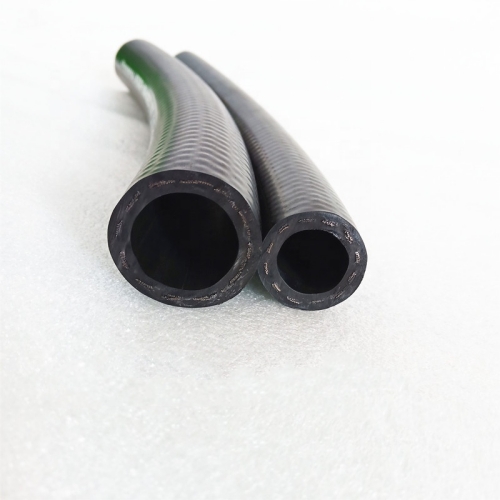
The performance of a smooth surface hydraulic hose is dictated by a complex interplay of factors, including pressure capacity, temperature limitations, fluid compatibility, and bend radius. Burst pressure – the pressure at which the hose fails – is a critical safety parameter. Working pressure, typically specified as a percentage of burst pressure (e.g., 50%), defines the maximum operational pressure. Hydraulic hoses are subject to significant stresses during operation, including internal pressure stress, radial stress from reinforcement layers, and axial stress from bending. Understanding these stresses is crucial for proper hose selection and installation. Finite Element Analysis (FEA) is often employed to model stress distribution and predict hose life under various loading conditions. Environmental factors, such as temperature fluctuations and exposure to corrosive fluids, significantly impact hose performance. High temperatures can accelerate rubber degradation, while exposure to incompatible fluids can cause swelling, cracking, or leaching of plasticizers.
The smooth inner bore is engineered to minimize pressure drop, which directly affects system efficiency. Higher flow velocities are attainable with a smoother bore, leading to reduced energy losses. The hose’s bend radius must also be considered; exceeding the minimum bend radius can induce excessive stress on the reinforcement layers, leading to premature failure. Furthermore, adherence to industry standards, such as SAE J517, dictates testing protocols for burst pressure, impulse pressure, and temperature range. The selection of appropriate end fittings is also crucial, as improper fitting installation can create leak paths and compromise hose integrity. Fitting compatibility with the hose material and fluid being conveyed must be verified to prevent galvanic corrosion or chemical reactions.
Technical Specifications
| Parameter | Unit | Specification Range (Typical) | Test Standard |
|---|---|---|---|
| Working Pressure | MPa | 10 - 35 | SAE J517 |
| Burst Pressure | MPa | 30 - 105 | SAE J517 |
| Temperature Range | °C | -40 to +100 | SAE J517 |
| Inner Tube Material | - | NBR, CR, EPDM | ASTM D2000 |
| Reinforcement Material | - | Steel Wire, Polyester Fiber | ASTM E8 |
| Outer Cover Material | - | CR, TPU | ASTM D2000 |
Failure Mode & Maintenance
Hydraulic hose failures are often attributed to several key mechanisms. Fatigue cracking, resulting from repeated flexing and pressure cycling, is a common failure mode, particularly in applications with high vibration or frequent bending. The crack initiation typically occurs at points of high stress concentration, such as near end fittings or at areas where the reinforcement layers are damaged. Delamination, the separation of reinforcement layers from the inner tube or outer cover, can occur due to inadequate adhesion or exposure to corrosive fluids. Rubber degradation, caused by exposure to high temperatures, ozone, or UV radiation, leads to loss of elasticity and cracking. Oxidation of the rubber compounds can also contribute to material embrittlement. Abrasion damage to the outer cover, caused by contact with abrasive surfaces, can expose the reinforcement layers to corrosion and compromise the hose’s integrity. Pinholes and leaks can develop from localized damage, resulting in fluid loss and potential safety hazards.
Preventative maintenance is crucial for extending hose life and preventing catastrophic failures. Regular visual inspections should be conducted to identify signs of cracking, abrasion, or swelling. Hose assemblies should be properly supported to minimize bending stress and prevent contact with sharp edges. Fluid contamination can significantly accelerate hose degradation; therefore, proper filtration is essential. When replacing hoses, it’s imperative to select hoses with appropriate pressure ratings and fluid compatibility. End fittings should be inspected for corrosion or damage and replaced as needed. Hose assemblies should be stored in a cool, dry environment, away from direct sunlight and ozone sources. Periodic pressure testing can help identify hoses with compromised integrity before they fail catastrophically. Following a strict maintenance schedule and adhering to manufacturer’s recommendations will maximize hose service life and enhance system reliability.
Industry FAQ
Q: What are the key differences between spiral-wound and braided hydraulic hose construction and how does this impact application suitability?
A: Spiral-wound hoses, utilizing continuously wound steel wire, generally offer higher pressure ratings and are better suited for demanding applications requiring significant impulse pressure resistance. Braided hoses, employing interwoven fiber or steel wires, provide greater flexibility and kink resistance, making them suitable for applications with tight bend radii or frequent movement. Spiral-wound constructions are less forgiving to bending, whereas braided hoses can withstand more cyclic flexing. The choice depends heavily on the pressure demands and the operating environment’s requirements for flexibility.
Q: How does fluid compatibility impact the lifespan of a hydraulic hose, and what precautions should be taken?
A: Fluid compatibility is paramount. Incompatible fluids can cause swelling, softening, or cracking of the inner tube material, leading to premature failure. For instance, petroleum-based fluids are incompatible with some EPDM formulations. Precautions include verifying the hose's inner tube material is compatible with the conveyed fluid, utilizing appropriate fluid filtration to remove contaminants, and avoiding mixing different fluid types.
Q: What are the common causes of hose fitting failure and how can they be prevented?
A: Common causes include corrosion, improper crimping, and thread damage. Corrosion can occur due to galvanic incompatibility between the fitting and the hose reinforcement. Improper crimping can lead to leaks or fitting blow-off. Prevention involves selecting fittings made from compatible materials, ensuring proper crimping procedures are followed using calibrated equipment, and regular inspection for signs of corrosion or damage.
Q: What is the significance of impulse pressure testing, and how does it relate to real-world application performance?
A: Impulse pressure testing simulates the pressure surges and pulsations that occur in hydraulic systems during operation. It assesses the hose's ability to withstand these dynamic loads without failure. A higher impulse pressure rating indicates a more robust hose capable of handling demanding applications with frequent pressure fluctuations. It is a critical performance indicator, especially for systems with pumps or rapidly cycling actuators.
Q: How should hydraulic hoses be stored to maximize their service life before installation?
A: Hoses should be stored in a cool, dry, and dark environment, away from direct sunlight, ozone sources (such as electric motors), and extreme temperatures. They should be stored in a coiled position to prevent kinking or flattening. Avoid storing hoses in direct contact with the floor or other abrasive surfaces. Proper storage conditions help prevent degradation and maintain the hose’s flexibility and integrity.
Conclusion
OEM smooth surface hydraulic hose is a vital component in countless industrial applications, demanding a thorough understanding of its material science, manufacturing processes, and performance characteristics. The smooth bore design significantly enhances fluid flow efficiency, while robust construction ensures reliable operation under high pressure and challenging environmental conditions. Selecting the appropriate hose, considering fluid compatibility, and implementing a proactive maintenance program are crucial for maximizing service life and minimizing the risk of catastrophic failure.
The continued development of advanced rubber compounds and reinforcement materials will further enhance the performance and durability of these hoses. Future trends may include the integration of smart sensors for real-time monitoring of hose condition and predictive maintenance capabilities. Adherence to evolving industry standards and a commitment to quality control will remain paramount in ensuring the safe and reliable operation of hydraulic systems worldwide.