
Apr . 01, 2024 17:55 Back to list
oem smooth cover steel wire braided hydraulic hose Performance Analysis

Introduction
OEM smooth cover steel wire braided hydraulic hose constitutes a critical component in fluid power systems across diverse industrial applications. Positioned within the hydraulic power transmission chain, it facilitates the safe and efficient transfer of pressurized fluids – typically hydraulic oil – to actuators and other system components. These hoses are engineered to withstand high pressures, resist abrasion, and maintain flexibility, replacing rigid metal tubing in situations requiring movement, vibration absorption, or ease of installation. The core performance characteristics are defined by burst pressure, working pressure, temperature range, and fluid compatibility. Current industry trends emphasize tighter dimensional tolerances, reduced weight through advanced materials, and enhanced chemical resistance to accommodate increasingly aggressive fluids. A primary pain point for procurement managers is ensuring consistent quality and adherence to stringent safety standards, particularly regarding burst pressure and fatigue life, to minimize downtime and prevent catastrophic failures.
Material Science & Manufacturing
The construction of a steel wire braided hydraulic hose involves several key materials and processes. The inner tube, in direct contact with the fluid, is commonly composed of nitrile rubber (NBR), ethylene propylene diene monomer (EPDM), or fluorocarbon elastomers (FKM/Viton), selected based on fluid compatibility and temperature requirements. NBR offers good resistance to petroleum-based oils, EPDM excels in phosphate ester fluids and high-temperature applications, while FKM provides superior resistance to a broad range of chemicals and extreme temperatures. The reinforcement layer, critical for pressure containment, consists of one or more braids of high-strength steel wire. The steel wire is typically drawn from high-carbon steel rods and heat-treated to achieve optimal tensile strength and ductility. The cover layer, providing abrasion and environmental protection, is usually made of chloroprene rubber (CR) or a polyurethane blend. Manufacturing begins with extrusion of the inner tube, followed by precise winding of the steel wire braid onto the tube. This braiding process is critical; improper braid angle or tension can lead to premature failure. Finally, the cover layer is extruded over the braid, and the hose is cured through vulcanization – a process involving heat and pressure to crosslink the rubber polymers, imparting elasticity and durability. Key parameter control during manufacturing includes maintaining consistent rubber compound formulations, precise braid coverage (typically 30-40% for optimal flexibility and pressure resistance), and accurate curing times and temperatures. Post-production testing includes burst pressure testing, impulse testing, and dimensional checks.
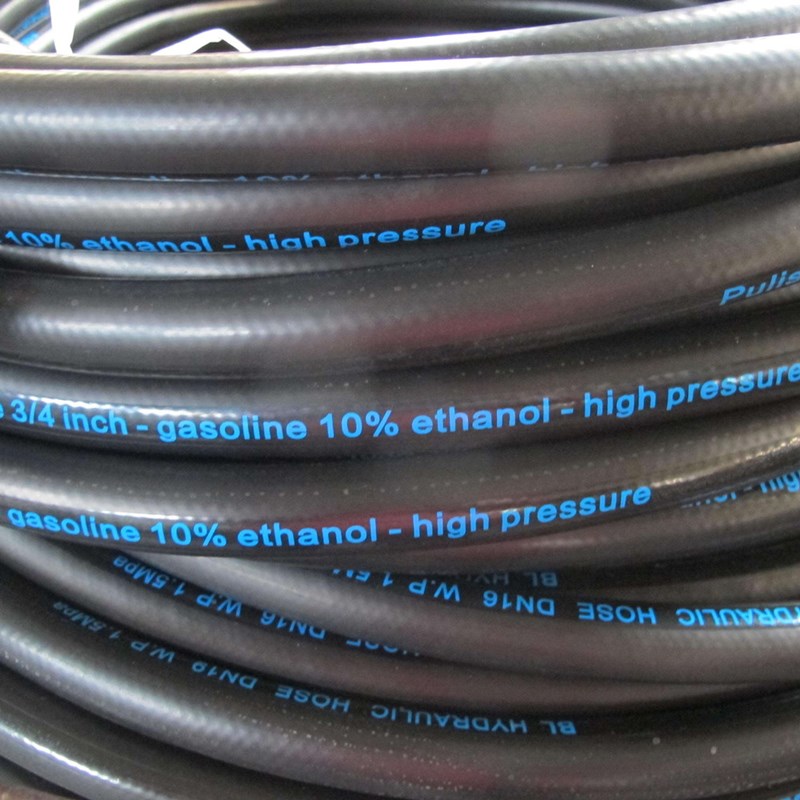
Performance & Engineering
The performance of a steel wire braided hydraulic hose is governed by several critical engineering principles. Force analysis focuses on hoop stress within the hose wall, dictated by internal pressure and hose diameter. The steel wire braid is designed to resist this hoop stress, preventing expansion and potential rupture. Fatigue life, a crucial consideration, is determined by the hose’s ability to withstand repeated pressure cycles. Impulse testing, simulating pressure surges and fluctuations, assesses fatigue resistance. Environmental resistance is also paramount. Exposure to ozone, UV radiation, and extreme temperatures can degrade the rubber compounds, reducing flexibility and increasing the risk of cracking. Chemical compatibility is determined by the fluid type; incompatible fluids can cause swelling, softening, or dissolution of the inner tube. Compliance requirements vary by region and application. SAE J517, a widely adopted standard, specifies performance criteria for hydraulic hoses, including burst pressure, working pressure, and temperature range. EN 856 defines similar standards in Europe. Proper hose routing and fitting selection are essential to prevent kinking, abrasion, and excessive bending, all of which can compromise performance and lead to premature failure. The minimum bend radius is a critical parameter, typically specified by the manufacturer, and must be strictly adhered to during installation.
Technical Specifications
| Parameter | Unit | Typical Value (SAE 100R2AT Equivalent) | Tolerance |
|---|---|---|---|
| Working Pressure | MPa | 20.7 | ±10% |
| Burst Pressure | MPa | 82.7 | ±15% |
| Temperature Range | °C | -40 to +100 | ±5°C |
| Inner Tube Material | - | Synthetic Rubber (NBR) | Per SAE J200 |
| Reinforcement | - | Two Steel Wire Braids | ±1 Strand |
| Cover Material | - | Chloroprene Rubber (CR) | Per SAE J200 |
Failure Mode & Maintenance
Failure modes in steel wire braided hydraulic hoses are diverse, stemming from various factors. Fatigue cracking, induced by repeated pressure cycling, often initiates at braid crossover points or areas of localized stress. Delamination, the separation of layers (inner tube, braid, cover), can occur due to inadequate bonding during manufacturing or exposure to incompatible fluids. Degradation of the rubber compounds, caused by ozone, UV radiation, or chemical attack, leads to loss of flexibility and cracking. Oxidation of the steel wire, especially in humid environments, reduces its tensile strength and increases the risk of rupture. Common external causes include abrasion from rubbing against other components, kinking due to improper routing, and excessive bending beyond the minimum bend radius. Maintenance practices are critical for extending hose life. Regular visual inspections should be conducted to identify cracks, abrasions, or swelling. Fluid compatibility should be verified to ensure the hose material is suitable for the application. Hoses should be replaced if any signs of damage are detected. Proper hose routing and support are essential to prevent kinking and abrasion. Avoid sharp bends and ensure adequate clearance from moving parts. Periodic pressure testing can help identify hoses nearing the end of their service life. Contamination of the hydraulic fluid should be minimized through proper filtration to prevent internal erosion and damage.
Industry FAQ
Q: What is the impact of fluid velocity on hose life?
A: Higher fluid velocities can increase erosion of the inner tube, particularly with abrasive fluids or particulate contamination. Increased velocity also generates more heat, potentially accelerating degradation of the rubber compounds. It’s crucial to select a hose size that maintains fluid velocity within recommended limits to optimize life.
Q: How does steel wire braid construction affect flexibility and pressure rating?
A: A higher number of strands in the braid generally increases the pressure rating but reduces flexibility. Braid angle also plays a role; a steeper angle provides greater pressure containment but less flexibility. The optimum braid configuration represents a balance between these two factors, tailored to the application requirements.
Q: What are the common causes of hose leaks at the fitting connection?
A: Leaks at the fitting connection can be caused by improper fitting installation, damaged or corroded fittings, or incompatibility between the hose and fitting materials. Ensuring proper crimping or swaging of the fitting onto the hose is critical. Regular inspection of fittings for corrosion or damage is also essential.
Q: How do I determine the correct hose size for my application?
A: Hose size should be determined based on flow rate, pressure requirements, and fluid velocity. Undersized hoses can lead to excessive pressure drop and heat generation. Oversized hoses can reduce fluid velocity and potentially increase pulsation. Consult hose sizing charts and engineering guidelines for accurate selection.
Q: What is the significance of impulse testing, and what does a high impulse rating indicate?
A: Impulse testing simulates pressure surges and pulsations that occur in many hydraulic systems. A high impulse rating indicates the hose can withstand a greater number of these cycles without failure, signifying enhanced fatigue resistance and reliability. This is particularly important in applications with reciprocating pumps or rapidly cycling actuators.
Conclusion
OEM smooth cover steel wire braided hydraulic hoses represent a critical, yet often underestimated, element in the reliable operation of hydraulic systems. Their performance is inextricably linked to the careful selection of materials – encompassing the inner tube elastomer, reinforcing steel wire, and protective cover compound – alongside precise manufacturing controls focused on braid construction and vulcanization. Maintaining optimal performance requires meticulous attention to engineering principles related to force analysis, environmental resistance, and adherence to relevant industry standards.
Looking forward, advancements in hose technology are likely to focus on lighter-weight materials, enhanced chemical resistance for novel hydraulic fluids, and improved monitoring systems for predictive maintenance. Procurement professionals must prioritize consistent quality control and thorough testing to mitigate the risk of costly failures and ensure the longevity of hydraulic systems, understanding that a seemingly minor component can have a significant impact on overall operational efficiency and safety.