
Apr . 01, 2024 17:55 Back to list
oem six wire spiral high pressure hydraulic hose Performance Analysis
Introduction
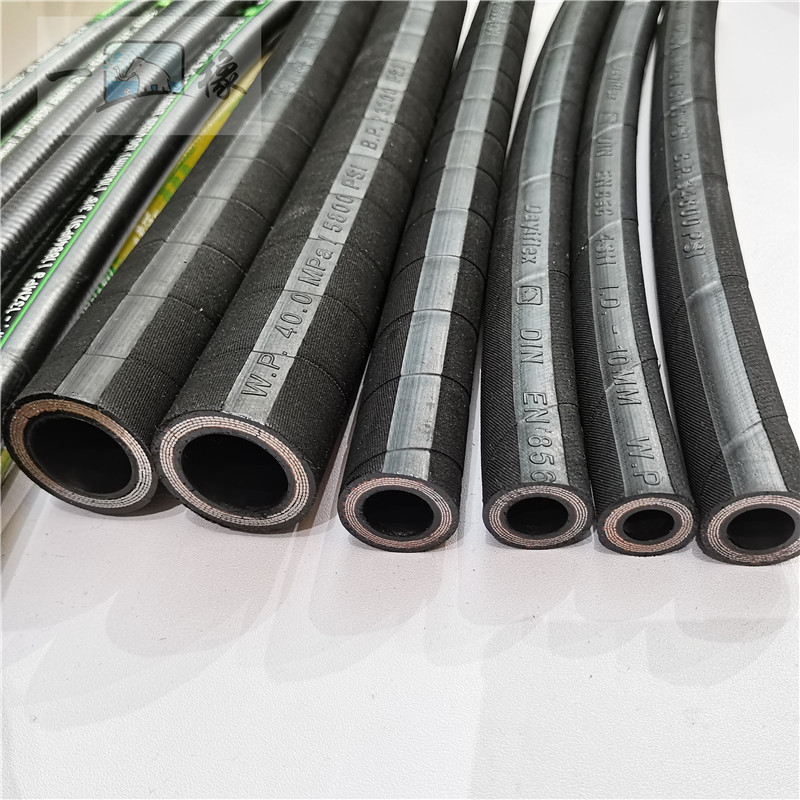
The OEM six-wire spiral high-pressure hydraulic hose is a critical component in hydraulic systems, designed for the conveyance of hydraulic fluid under high pressure and challenging operating conditions. Positioned within the broader industrial fluid power supply chain, it serves as the flexible connection between pumps, valves, actuators, and other hydraulic machinery. This hose type is distinguished by its construction—a synthetic rubber inner tube, multiple layers of high-tensile steel wire spirally wound for reinforcement, and a durable outer cover providing abrasion and weather resistance. Core performance characteristics include burst pressure, working pressure, temperature range, and resistance to hydraulic fluids, all dictated by stringent industry standards and application requirements. A key pain point within the industry centers around hose failure leading to downtime, environmental hazards (fluid leaks), and safety concerns. Therefore, careful material selection, precise manufacturing control, and robust quality assurance are paramount.
Material Science & Manufacturing
The construction of a six-wire spiral high-pressure hydraulic hose relies on a careful selection of materials, each contributing to its overall performance. The inner tube is typically composed of a synthetic rubber compound, commonly nitrile (NBR) or ethylene propylene diene monomer (EPDM), chosen for their compatibility with a broad range of hydraulic fluids including petroleum-based oils, water-glycols, and phosphate esters. NBR offers excellent resistance to oil, while EPDM provides superior resistance to heat and weathering. The reinforcement layer consists of six layers of high-tensile steel wire, spirally wound at a precise angle (typically 55-75 degrees) to provide the necessary burst strength and flexibility. Wire surface treatment, often involving galvanization or phosphating, is critical to improve adhesion to the rubber matrix and prevent corrosion. The outer cover usually utilizes a synthetic rubber, such as chloroprene (CR) or polyurethane (PU), providing abrasion, ozone, and UV resistance.
Manufacturing involves several key stages: inner tube extrusion, wire winding, hose assembly, and outer cover extrusion/vulcanization. Extrusion forms the continuous inner tube to specified dimensions. Automated winding machines precisely apply the steel wire layers under tension. The assembly process involves building up the layers on a mandrel. Finally, the outer cover is extruded over the reinforced structure, followed by vulcanization—a chemical process using heat and pressure to cross-link the rubber compounds, achieving the desired mechanical properties. Critical parameters include wire tension during winding (affecting burst pressure), rubber compound viscosity (influencing adhesion and flow), and vulcanization temperature and time (dictating cross-link density and material characteristics).
Performance & Engineering
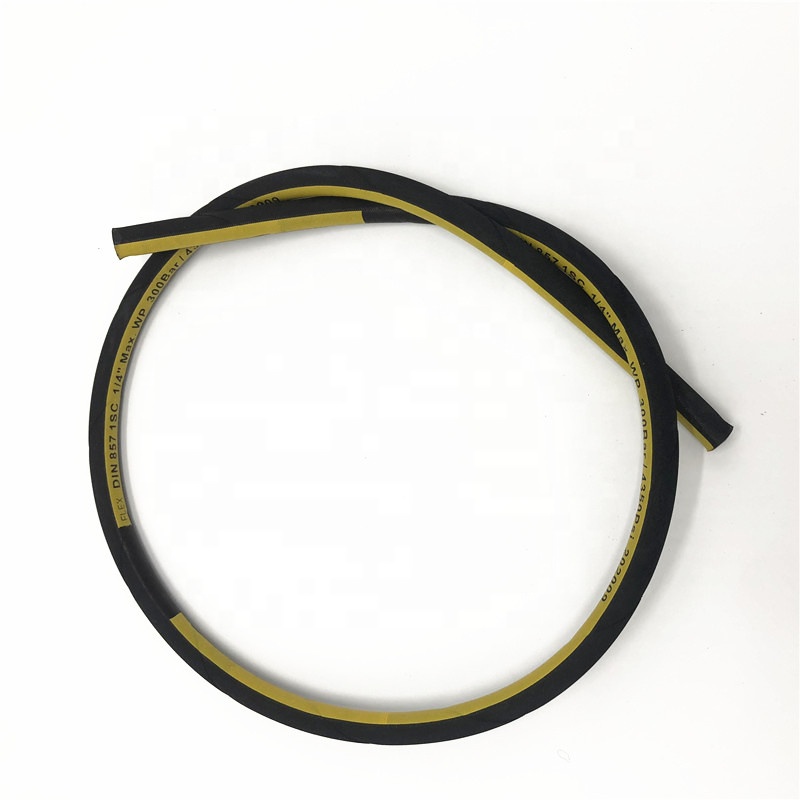
The performance of a six-wire spiral hydraulic hose is governed by several engineering principles. Force analysis is crucial in determining the hose's ability to withstand internal pressure. The hoop stress (tangential stress) within the hose wall increases with internal pressure and is directly proportional to the hose diameter and inversely proportional to the wall thickness. The steel wire reinforcement is designed to resist this hoop stress, preventing hose rupture. Flex fatigue is another critical consideration, particularly in applications involving continuous bending or pulsation. Repeated bending induces stress cycles in the wire and rubber, eventually leading to fatigue cracking. The hose’s bend radius must be maintained above the minimum specified by the manufacturer to minimize stress concentration.
Environmental resistance is paramount. Hydraulic hoses often operate in harsh environments involving extreme temperatures, exposure to corrosive fluids, and mechanical abrasion. The selection of appropriate rubber compounds for the inner tube and outer cover is vital to ensure compatibility with the hydraulic fluid and protection against environmental degradation. Compliance with industry standards such as SAE J517 (hydraulic hose construction) and ISO 6898 (hydraulic fluid power – hose assemblies) is mandatory. These standards specify requirements for burst pressure, working pressure, temperature range, and impulse testing to ensure hose safety and reliability. Furthermore, specific applications may require additional certifications or approvals based on regional regulations.
Technical Specifications
| Parameter | Unit | Specification (Typical) | Test Standard |
|---|---|---|---|
| Working Pressure | MPa | 20 - 35 | SAE J517 |
| Burst Pressure | MPa | 60 - 105 | SAE J517 |
| Temperature Range | °C | -40 to +100 | SAE J517 |
| Inner Tube Material | - | NBR/EPDM | ASTM D2000 |
| Reinforcement | Layers | 6 Spiral Steel Wire | SAE J517 |
| Outer Cover Material | - | CR/PU | ASTM D2000 |
Failure Mode & Maintenance
Several failure modes can affect the integrity of a six-wire spiral hydraulic hose. Fatigue cracking is common, initiated by repeated bending, pressure pulsations, or mechanical stress. Cracks typically originate at the wire-rubber interface and propagate through the reinforcement layers. Abrasion damage to the outer cover can expose the steel wire, leading to corrosion and eventual failure. Internal erosion caused by incompatible hydraulic fluids or abrasive particles can degrade the inner tube, resulting in leaks. Improper installation—excessive bending, twisting, or incorrect fitting connections—can induce stress concentrations and accelerate failure. Oxidation of the rubber compounds, particularly at elevated temperatures, can lead to loss of flexibility and cracking.
Preventive maintenance is crucial. Regular visual inspections should be conducted to check for signs of abrasion, cracking, leaks, or kinking. Hose assemblies should be replaced periodically, based on manufacturer recommendations or operational conditions. Proper hose routing and support are essential to minimize stress and prevent damage. The hydraulic fluid should be maintained clean and compatible with the hose materials. Fittings should be inspected for corrosion and proper torque. If a hose shows any signs of damage, it should be removed from service immediately to prevent catastrophic failure and potential safety hazards.
Industry FAQ
Q: What is the significance of the wire spiral angle in a six-wire hose?
A: The spiral angle of the steel wire reinforcement significantly impacts the hose’s flexibility and burst pressure. A steeper angle generally increases flexibility but reduces burst strength. A shallower angle provides higher burst strength but reduces flexibility. Manufacturers carefully optimize this angle to balance these two crucial performance characteristics based on the intended application.
Q: How does temperature affect the performance of a hydraulic hose?
A: Temperature extremes can significantly impact hose performance. High temperatures accelerate rubber degradation, reducing flexibility and increasing the risk of cracking. Low temperatures can cause the rubber to become brittle, increasing susceptibility to cracking and reducing pressure capacity. The operating temperature range specified by the manufacturer must be strictly adhered to.
Q: What is the role of the outer cover in hydraulic hose durability?
A: The outer cover provides critical protection against abrasion, ozone, UV radiation, and other environmental factors. It prevents the steel wire reinforcement from corroding and protects the rubber compounds from degradation. Selecting the appropriate outer cover material (CR or PU) is vital based on the specific operating environment.
Q: What are the common causes of hydraulic hose leaks?
A: Common causes include internal erosion due to fluid contamination, cracking caused by fatigue or oxidation, damage to the inner tube from incompatible fluids, and improper fitting connections. Regular fluid maintenance and proper installation are key to preventing leaks.
Q: How do I determine the correct working pressure for a hydraulic hose application?
A: The working pressure of the hose must exceed the maximum system pressure, including any pressure surges or spikes. A safety factor of at least 4:1 is generally recommended. It's essential to consider the entire system pressure, not just the pump output pressure.
Conclusion
The OEM six-wire spiral high-pressure hydraulic hose is a complex engineered product requiring precise material selection, manufacturing control, and adherence to industry standards. Its performance is dictated by a delicate balance of mechanical properties, environmental resistance, and fluid compatibility. Understanding the potential failure modes and implementing a robust maintenance program are critical for ensuring safe and reliable operation within hydraulic systems.
Future advancements in hydraulic hose technology will likely focus on developing more durable materials, improving resistance to extreme temperatures and pressures, and incorporating smart sensing capabilities for real-time monitoring of hose condition. Continuous improvement in manufacturing processes and quality control will be essential to meet the increasingly demanding requirements of modern hydraulic applications, minimizing downtime and maximizing operational efficiency.