
Apr . 01, 2024 17:55 Back to list
oem sae100r3 Performance Analysis

Introduction
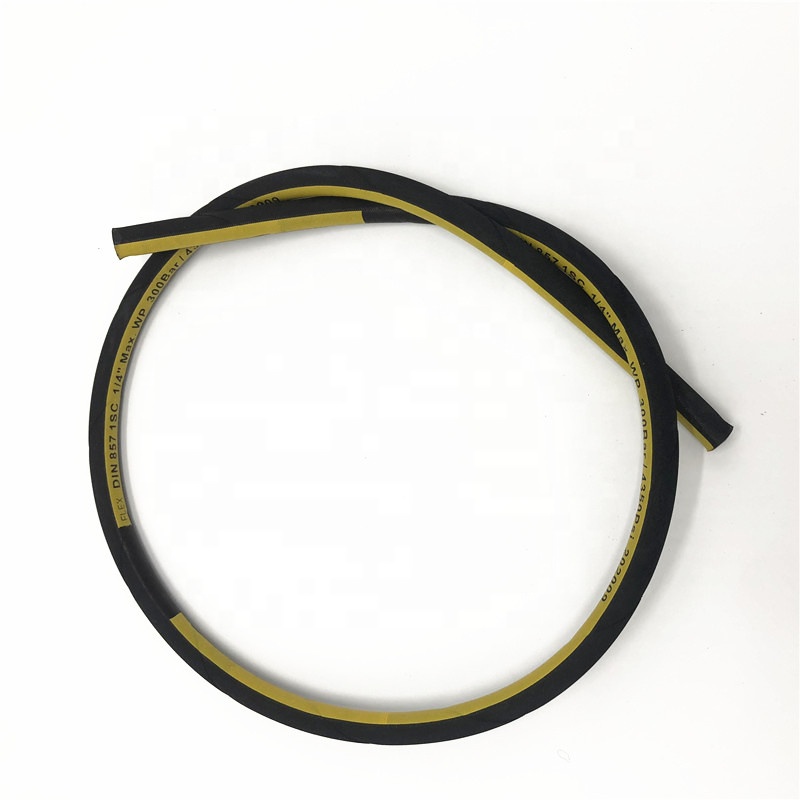
OEM SAE100R3 hose represents a critical component within fluid power systems, specifically designed for the conveyance of hydraulic oil in high-pressure applications. Positioned within the industrial chain as a core element following pump and valve operation, its performance directly influences system efficiency and operational safety. SAE100R3 hoses, conforming to the Society of Automotive Engineers (SAE) standard J517, are characterized by a synthetic rubber tube, multiple layers of high-tensile steel wire reinforcement, and a weather-resistant, abrasion-resistant rubber cover. Core performance attributes include burst pressure, working pressure, temperature range, and fluid compatibility. This guide provides an in-depth technical analysis of OEM SAE100R3 hose, covering material science, manufacturing processes, performance parameters, failure modes, and relevant industry standards, addressing the critical needs of procurement, engineering, and maintenance professionals.
Material Science & Manufacturing
The construction of SAE100R3 hose relies on a careful selection of materials to achieve desired performance characteristics. The inner tube is typically composed of nitrile rubber (NBR) due to its excellent resistance to petroleum-based hydraulic fluids. NBR exhibits a temperature range of -40°C to 121°C, although specialized formulations using hydrogenated nitrile butadiene rubber (HNBR) extend this range and improve ozone resistance. The reinforcement layers consist of high-tensile steel wire, typically carbon steel, spirally wound to provide the necessary pressure containment. Wire diameter and ply count are critical parameters dictating burst pressure. The cover, providing environmental protection, is commonly made of Chloroprene rubber (CR), known for its resistance to abrasion, ozone, and weathering. Manufacturing involves several key stages: extrusion of the inner tube, spiral winding of the steel reinforcement, followed by extrusion of the cover, and finally, vulcanization. Vulcanization, a chemical process utilizing sulfur and accelerators, crosslinks the rubber polymers, enhancing elasticity, strength, and resistance to degradation. Critical process parameters include temperature, pressure, and cure time; deviations can compromise hose integrity. Quality control during manufacturing includes dimensional checks, pressure testing to 1.5 times the working pressure, and impulse testing to simulate hydraulic shock.
Performance & Engineering
The performance of SAE100R3 hose is governed by fundamental engineering principles, particularly those related to pressure vessel design and material stress-strain relationships. The hose must withstand static and dynamic pressures, accounting for pressure spikes due to pump pulsation and valve operation. Burst pressure, a critical safety parameter, is determined through hydrostatic testing. Working pressure, typically rated at 50% of the burst pressure, ensures a significant safety margin. Flexibility, crucial for routing within confined spaces, is influenced by hose diameter, reinforcement ply count, and rubber compound formulation. Environmental resistance, including resistance to ozone, UV radiation, and chemical exposure, is vital for long-term reliability. The hose’s ability to maintain its physical properties over its operational temperature range is paramount; thermal expansion and contraction must be considered in system design. Compliance with SAE J517 ensures minimum performance standards. Furthermore, bending radius limitations are critical to prevent kinking and subsequent failure. Finite element analysis (FEA) is increasingly employed in the design process to optimize hose geometry and reinforcement configuration for specific application requirements, predicting stress distribution under various loading conditions.
Technical Specifications
| Parameter | Unit | SAE 100R3 (Typical) | HNBR Formulation (Extended Temp Range) |
|---|---|---|---|
| Working Pressure | MPa | 20.7 | 20.7 |
| Burst Pressure | MPa | 82.7 | 82.7 |
| Temperature Range | °C | -40 to +100 | -40 to +121 |
| Inner Tube Material | - | Nitrile Rubber (NBR) | Hydrogenated Nitrile Butadiene Rubber (HNBR) |
| Reinforcement | Ply | Multiple Layers of High-Tensile Steel Wire | Multiple Layers of High-Tensile Steel Wire |
| Cover Material | - | Chloroprene Rubber (CR) | Chloroprene Rubber (CR) |
Failure Mode & Maintenance
SAE100R3 hose failures are commonly attributed to several mechanisms. Fatigue cracking, induced by repeated bending and pressure cycling, initiates at points of stress concentration, such as fitting crimps. External abrasion, caused by contact with surrounding components, degrades the cover, exposing the reinforcement layers to corrosion. Internal abrasion, due to fluid contamination, erodes the inner tube. Ozone cracking, a prevalent issue in outdoor applications, forms surface cracks in the rubber compounds. Permeation, the diffusion of hydraulic fluid through the hose wall, leads to fluid loss and reduced system performance. Improper installation, including exceeding the minimum bend radius or overtightening fittings, significantly accelerates failure rates. Maintenance protocols should include regular visual inspections for signs of damage, leak testing, and proper fluid filtration to minimize internal abrasion. Hose replacement is recommended based on a predetermined service life, typically 5-7 years, or upon detection of any deterioration. Crimping procedures must adhere to manufacturer specifications to ensure a secure and reliable connection between the hose and fittings. Avoid twisting the hose during installation as this can induce stress and premature failure.
Industry FAQ
Q: What is the impact of fluid type on SAE100R3 hose life?
A: The compatibility of the hydraulic fluid with the hose materials is paramount. Incompatible fluids can cause swelling, softening, or degradation of the rubber compounds, leading to premature failure. NBR is generally compatible with petroleum-based fluids, but phosphate ester fluids require specialized formulations like HNBR.
Q: How does steel wire reinforcement affect burst pressure and flexibility?
A: Increasing the wire diameter and ply count directly increases the burst pressure but reduces flexibility. A balance must be struck between these two parameters based on application requirements. Spiral winding provides superior flexibility compared to braided reinforcement.
Q: What are the common causes of hose leakage at the fitting crimp?
A: Leakage at the crimp is often due to improper crimping procedures, corrosion of the fitting or hose stem, or damage to the hose during installation. Ensuring proper crimp specifications and using corrosion inhibitors can mitigate these issues.
Q: How does temperature affect the performance of SAE100R3 hose?
A: Elevated temperatures can reduce the hose's strength and flexibility, while low temperatures can cause it to become brittle. Operating within the specified temperature range is crucial. HNBR formulations offer extended temperature range capabilities.
Q: What are the recommended storage conditions for SAE100R3 hose?
A: Hose should be stored in a cool, dry, and dark environment, away from direct sunlight, ozone sources, and excessive heat. Avoid storing hose in a bent or compressed state.
Conclusion
The OEM SAE100R3 hose stands as a fundamental component in hydraulic power transmission, demanding careful consideration of material science, manufacturing precision, and operational parameters. Its performance is intrinsically linked to fluid compatibility, temperature range, pressure ratings, and resistance to environmental factors. A comprehensive understanding of potential failure modes and diligent adherence to maintenance protocols are essential for maximizing service life and ensuring system reliability.
Advancements in rubber compound technology, such as the adoption of HNBR and thermoplastic polyurethane (TPU) materials, continue to expand the performance envelope of hydraulic hoses. Furthermore, the integration of sensor technologies for real-time pressure and temperature monitoring is emerging as a proactive approach to predictive maintenance and enhanced operational safety. Selecting the appropriate SAE100R3 hose for a specific application requires a holistic assessment of the entire system requirements and a commitment to quality and preventative maintenance.

