
Apr . 01, 2024 17:55 Back to list
oem sae100r2at Hydraulic Hose Performance Analysis
Introduction
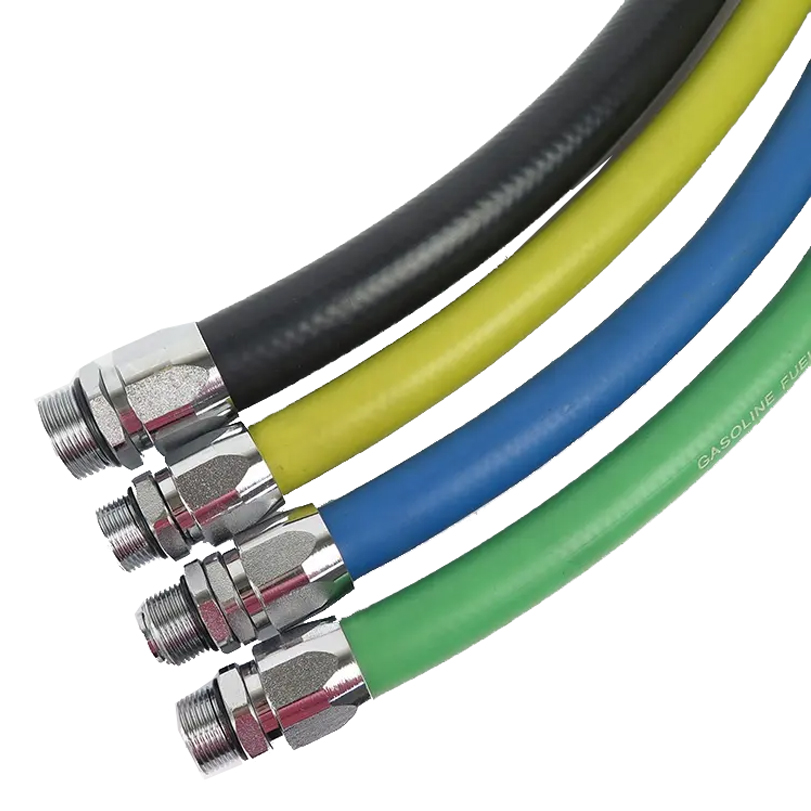
OEM SAE100R2AT hose represents a critical component within fluid power systems, specifically designed for the conveyance of hydraulic fluid under high pressure. It conforms to the Society of Automotive Engineers (SAE) J517 standard, a widely recognized specification defining dimensional, performance, and marking requirements for hydraulic hoses. Positioned within the supply chain, it serves as an intermediary product between rubber and steel manufacturers and original equipment manufacturers (OEMs) across sectors including construction, agriculture, mining, and industrial machinery. Its core performance characteristics center around burst pressure resistance, impulse pressure capability, and fluid compatibility, dictating system reliability and operational safety. The 'AT' designation indicates a synthetic rubber tube, offering enhanced resistance to oil and abrasion compared to earlier standards. A major industry pain point is ensuring consistent dimensional accuracy and material quality to avoid premature failure in demanding applications, alongside the need to meet stringent environmental regulations regarding fluid containment and material composition. This guide details the material science, manufacturing process, performance parameters, failure modes, and maintenance protocols for OEM SAE100R2AT hydraulic hose.
Material Science & Manufacturing
The SAE100R2AT hose is a composite structure comprising four key layers. The innermost layer, the tube, is typically constructed from nitrile rubber (NBR) due to its excellent oil resistance and compatibility with a broad range of hydraulic fluids. NBR's chemical composition (a copolymer of acrylonitrile and butadiene) provides a balance of flexibility, abrasion resistance, and resistance to swelling in petroleum-based fluids. The second layer is a reinforcing braid, traditionally composed of high-strength steel wire. The wire gauge and braid angle are critical parameters impacting burst pressure and fatigue life. Higher wire counts and tighter braid angles yield increased pressure resistance but reduce flexibility. The third layer is the reinforcing layer, typically utilizing multiple braids of high tensile steel wire. Finally, the outer cover is commonly made from chloroprene rubber (CR), also known as neoprene, offering excellent resistance to abrasion, ozone, weathering, and a wide temperature range. Manufacturing begins with extrusion of the inner tube. Following tube formation, the reinforcing braids are applied using automated braiding machines, precisely controlling braid coverage and angle. The outer cover is then extruded over the braid layers. Critical parameters during extrusion include die temperature, screw speed, and cooling rate to ensure uniform wall thickness and void-free construction. Post-extrusion, the hose undergoes curing (vulcanization) to crosslink the rubber compounds, enhancing their mechanical properties and chemical resistance. Curing temperature, pressure, and time are precisely controlled to achieve optimal material characteristics. Quality control includes hydrostatic testing to verify burst pressure and impulse testing to assess fatigue resistance. Raw material selection, specifically the grade of NBR, CR, and steel wire, significantly influences performance. Steel wire tensile strength, elongation, and surface finish are key considerations.
Performance & Engineering
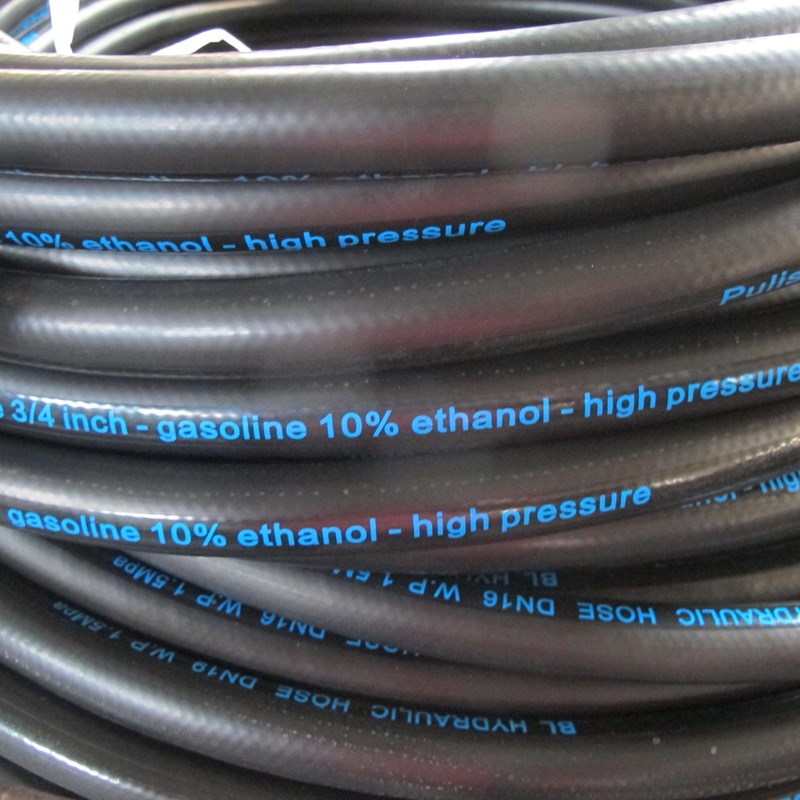
SAE100R2AT hose performance is governed by several critical engineering parameters. Burst pressure, the maximum pressure the hose can withstand before catastrophic failure, is a primary specification, tested per SAE J517. Impulse pressure, representing cyclical pressure fluctuations typical in hydraulic systems, is equally crucial. Hose failure due to fatigue from repeated pressure surges is a common issue. The hose must withstand a specified number of impulse cycles at a defined pressure and temperature without failure. Temperature range is another critical consideration. NBR and CR exhibit temperature-dependent properties, impacting their flexibility and resistance to degradation. Hose performance must be maintained within a specified temperature range, typically -40°C to +100°C, although variations exist based on compound formulation. Fluid compatibility is paramount; incompatible fluids can cause swelling, softening, or degradation of the rubber compounds, leading to leaks and premature failure. SAE J517 outlines acceptable fluid types. Force analysis during hose bending and flexing reveals potential stress concentrations at the bend radius. Minimum bend radius specifications are defined to prevent kinking and material fatigue. Environmental resistance, particularly to ozone, UV radiation, and abrasion, is vital for outdoor applications. CR provides good protection, but prolonged exposure can still lead to degradation. Compliance with REACH and RoHS regulations concerning restricted substances is increasingly important, dictating material composition and manufacturing processes.
Technical Specifications
| Parameter | Unit | Specification (Typical) | Test Standard |
|---|---|---|---|
| Working Pressure | MPa | 20.7 | SAE J517 |
| Burst Pressure | MPa | 82.7 | SAE J517 |
| Minimum Bend Radius | mm | 4D (D=Inside Diameter) | SAE J517 |
| Temperature Range | °C | -40 to +100 | SAE J517 |
| Impulse Cycles | Number | 100,000 | SAE J517 |
| Tube Material | - | Nitrile Rubber (NBR) | SAE J517 |
Failure Mode & Maintenance
SAE100R2AT hose failures typically stem from several mechanisms. Fatigue cracking, induced by repeated pressure impulses and flexing, is a prevalent cause. Cracks initiate at stress concentration points, such as braid crossovers or areas of localized damage. Abrasion, caused by external contact with abrasive surfaces, degrades the outer cover, eventually exposing the reinforcing braid to corrosion. Oil degradation, resulting from fluid contamination or incompatibility, compromises the rubber compounds' elasticity and resistance to cracking. Ozone cracking, particularly in outdoor applications, occurs due to ozone attack on the unsaturated bonds in the rubber molecules. Internal tube degradation manifests as swelling, softening, or cracking due to fluid incompatibility or prolonged exposure to high temperatures. Corrosion of the steel wire reinforcement, although less common, can occur in humid environments or with contaminated fluids. Preventive maintenance includes regular visual inspections for cracks, abrasions, and leaks. Hose should be replaced if any signs of damage are observed. Proper hose routing, avoiding sharp bends and contact with abrasive surfaces, minimizes stress and abrasion. Fluid filtration is crucial to prevent contamination and premature degradation. Correct hose sizing and installation, adhering to manufacturer's recommendations, ensures optimal performance and longevity. Storage of unused hose in a cool, dry, and dark environment prevents ozone cracking and degradation. Regular pressure testing can identify potential weaknesses before catastrophic failure occurs.
Industry FAQ
Q: What is the primary difference between SAE100R2AT and SAE100R1AT hose?
A: The primary difference lies in the number of reinforcing braids. SAE100R2AT features two braids, providing higher pressure ratings and increased impulse capability compared to SAE100R1AT, which has only one braid. This makes R2AT suitable for more demanding applications requiring greater durability and safety.
Q: How does temperature affect the performance of SAE100R2AT hose?
A: Exposure to temperatures outside the specified range (-40°C to +100°C) can significantly degrade performance. High temperatures accelerate rubber degradation and reduce pressure ratings. Low temperatures reduce flexibility, increasing the risk of kinking and cracking during bending. Consistent operation within the recommended temperature range is crucial.
Q: What fluids are compatible with the NBR tube of SAE100R2AT hose?
A: NBR exhibits excellent compatibility with a wide range of petroleum-based hydraulic fluids, including mineral oils, lubricating oils, and some synthetic hydraulic fluids. However, it is incompatible with certain fluids like phosphate ester fluids and brake fluids, which can cause swelling and degradation. Always consult a fluid compatibility chart before use.
Q: How often should SAE100R2AT hose be inspected?
A: Regular visual inspections should be conducted at least monthly, or more frequently in harsh operating environments. Focus on checking for cracks, abrasions, leaks, and any signs of damage to the tube or cover. Detailed pressure testing should be performed annually, or as recommended by the OEM.
Q: What is the impact of improper bend radius on hose life?
A: Exceeding the minimum bend radius specified by SAE J517 creates excessive stress on the hose structure, leading to premature fatigue cracking and potential failure. Maintaining the correct bend radius distributes stress evenly and maximizes hose longevity.
Conclusion
The OEM SAE100R2AT hydraulic hose represents a robust and reliable fluid conveyance solution, critical to the safe and efficient operation of numerous industrial systems. Its performance is inextricably linked to meticulous material selection, precise manufacturing control, and adherence to stringent industry standards like SAE J517. Understanding the nuances of its material science – from the oil resistance of NBR to the strength of steel wire – is paramount for engineers and procurement professionals alike.
Effective implementation requires not only proper specification and installation but also a proactive maintenance strategy focused on regular inspection and fluid compatibility assessment. As hydraulic systems become increasingly complex and operate in more demanding environments, the importance of utilizing high-quality, compliant hoses like the SAE100R2AT will continue to grow, demanding a comprehensive understanding of its capabilities and limitations.