
Apr . 01, 2024 17:55 Back to list
oem sae100r1at Hydraulic Hose Performance Analysis
Introduction
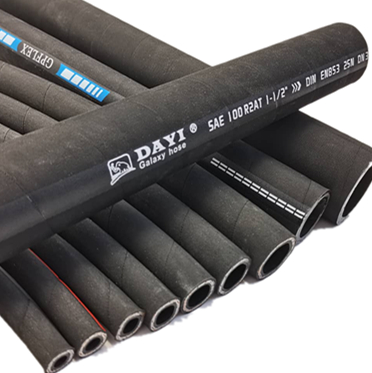
OEM SAE100R1AT hose represents a critical component in hydraulic fluid power systems, adhering to the Society of Automotive Engineers (SAE) standard 100R1AT. This specification dictates requirements for non-synthetic, oil-resistant hydraulic hose with a single wire braid reinforcement. Positioned within the fluid conveyance chain, its primary function is the reliable and safe transmission of hydraulic power, serving industries ranging from construction and agriculture to manufacturing and material handling. Core performance characteristics include pressure capability (typically up to 1000 psi), temperature resistance (-40°C to +100°C), and compatibility with a wide range of hydraulic fluids. Its application dictates robust performance characteristics and adherence to stringent safety standards, primarily to prevent catastrophic failure leading to fluid leaks, system downtime, and potential operator injury. The "AT" designation signifies its suitability for use with petroleum-based hydraulic fluids, a common requirement across many industrial applications. Understanding the material science, manufacturing processes, and potential failure modes of SAE100R1AT hose is paramount for ensuring optimal system performance and longevity.
Material Science & Manufacturing
The core construction of SAE100R1AT hose relies on a multi-layered system. The inner tube is typically composed of nitrile rubber (NBR), offering excellent resistance to petroleum-based hydraulic fluids. NBR’s resistance stems from its acrylonitrile content; higher acrylonitrile content leads to improved oil resistance but reduced flexibility at low temperatures. The reinforcement layer consists of a single braid of high-strength steel wire, providing the necessary pressure containment. The wire’s tensile strength and ductility are critical parameters, typically meeting or exceeding ASTM A228 specifications for steel wire used in hydraulic hose. The outer cover is generally made of nitrile rubber blended with polymers to enhance abrasion, weather, and ozone resistance. Manufacturing begins with extrusion of the inner tube, followed by the application of the wire braid using a helical winding process. Precise tension control during braiding is essential to ensure uniform pressure resistance. The outer cover is then extruded over the braid. Critical parameters during extrusion include temperature, screw speed, and die design to achieve consistent wall thickness and material properties. Post-extrusion, the hose undergoes curing (vulcanization) to crosslink the rubber compounds, enhancing their physical and chemical properties. Curing time, temperature, and pressure must be meticulously controlled to ensure optimal vulcanization without degradation. Quality control involves hydrostatic pressure testing to verify burst pressure, impulse testing to evaluate fatigue resistance, and dimensional inspections to confirm adherence to SAE standards. Chemical compatibility testing is also performed to ensure the inner tube remains unaffected by the intended hydraulic fluid.
Performance & Engineering
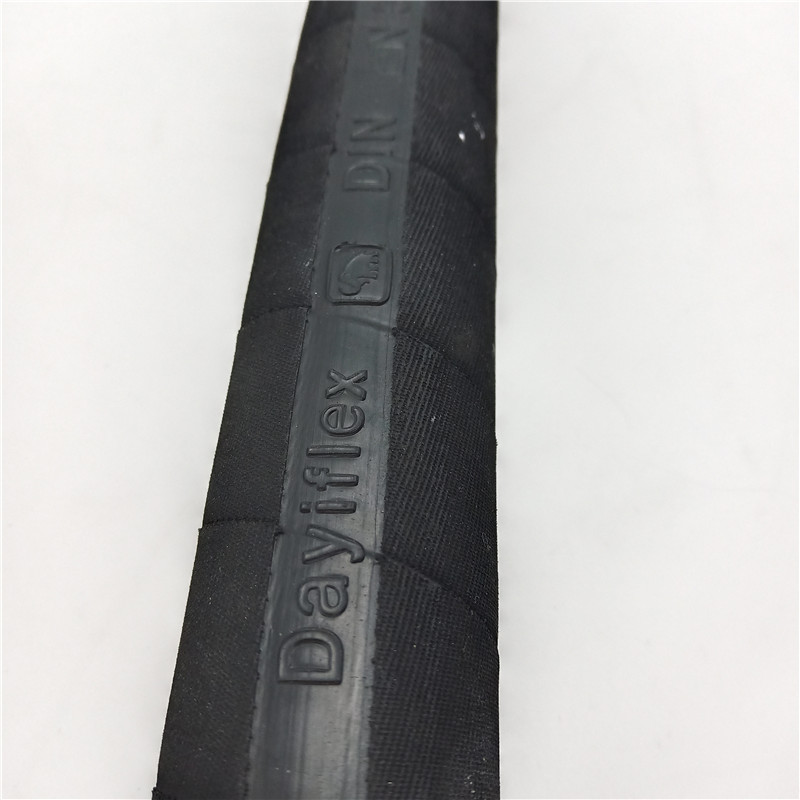
Performance of SAE100R1AT hose is fundamentally governed by its ability to withstand internal pressure and external stresses. Force analysis necessitates consideration of the hoop stress within the inner tube, dictated by the fluid pressure and the tube's diameter. The steel wire braid provides the necessary tensile force to counteract this hoop stress, preventing hose expansion and rupture. The braid angle significantly influences pressure resistance; a lower braid angle generally offers higher pressure capability but reduced flexibility. Furthermore, hose performance is affected by temperature fluctuations. Elevated temperatures reduce the rubber’s tensile strength and elasticity, while low temperatures can cause it to become brittle. The hose must maintain its flexibility and pressure resistance across the specified temperature range. Environmental resistance is another critical aspect. Exposure to ozone, UV radiation, and corrosive substances can degrade the outer cover, leading to cracking and reduced durability. Compliance requirements are stringent, mandating adherence to SAE J517 standards for hydraulic hose performance. Fatigue resistance is evaluated through impulse testing, simulating the cyclical pressure pulses inherent in hydraulic systems. Proper fitting selection and installation are crucial for optimal performance. Incorrect fittings can create stress concentrations, leading to premature failure. Bend radius also impacts performance; exceeding the minimum bend radius can cause kinking and reduced flow capacity. Regular inspection for signs of wear, damage, and fluid leaks is essential for maintaining system integrity.
Technical Specifications
| Parameter | Unit | Specification (Typical) | Test Standard |
|---|---|---|---|
| Working Pressure | psi | 1000 | SAE J517 |
| Burst Pressure | psi | 3000 | SAE J517 |
| Temperature Range | °C | -40 to +100 | SAE J517 |
| Inner Tube Material | - | Nitrile Rubber (NBR) | ASTM D2000 |
| Reinforcement | - | Single Steel Wire Braid | ASTM A228 |
| Outer Cover Material | - | Nitrile Rubber Blend | ASTM D2000 |
Failure Mode & Maintenance
SAE100R1AT hose is susceptible to several failure modes in practical applications. Fatigue cracking, induced by cyclical pressure pulses, often initiates at the braid-tube interface and propagates through the steel wire. Delamination, the separation of the rubber layers, can occur due to improper curing or exposure to harsh chemicals. Oxidation of the rubber compounds, accelerated by high temperatures and exposure to oxygen, leads to loss of elasticity and cracking. Abrasion, caused by contact with abrasive surfaces, degrades the outer cover, exposing the reinforcement braid to corrosion. Fluid incompatibility can cause swelling, softening, or cracking of the inner tube. Improper installation, such as excessive bending or incorrect fitting application, introduces stress concentrations that accelerate failure. Maintenance strategies include regular visual inspections for signs of wear, damage, and fluid leaks. Hose should be replaced if cracks, bulges, or abrasions are observed. Periodic pressure testing can identify weaknesses before catastrophic failure. Proper storage is crucial; hoses should be stored in a cool, dry, and dark environment to prevent degradation. Avoid exposure to ozone and direct sunlight. When replacing hoses, always use fittings that are compatible with the hose and the hydraulic system. Ensure proper torque is applied during fitting installation to avoid over-tightening or under-tightening. Regularly monitor fluid cleanliness to prevent abrasive particle contamination, which can accelerate wear. A proactive maintenance program significantly extends hose life and minimizes the risk of system downtime.
Industry FAQ
Q: What is the significance of the ‘AT’ designation in SAE100R1AT?
A: The ‘AT’ designation signifies that the hose is specifically designed and tested for use with petroleum-based hydraulic fluids. This indicates compatibility with the most common hydraulic fluids used in industrial applications, ensuring the inner tube material won’t degrade or swell when exposed to these fluids.
Q: How does temperature affect the performance of SAE100R1AT hose?
A: Temperature has a significant impact. High temperatures can reduce the rubber’s tensile strength and elasticity, lowering the burst pressure rating. Low temperatures can cause the rubber to become brittle and less flexible, increasing the risk of cracking. The specified temperature range (-40°C to +100°C) represents the operational limits within which the hose will maintain its performance characteristics.
Q: What are the primary causes of fatigue failure in hydraulic hoses?
A: Fatigue failure is typically caused by cyclical pressure pulses within the hydraulic system. These pulses induce stress in the hose construction, particularly at the braid-tube interface. Repeated stress cycles can lead to crack initiation and propagation, ultimately resulting in hose failure. Factors such as fluid velocity, system pressure fluctuations, and hose vibration can exacerbate fatigue failure.
Q: What is the role of the steel wire braid in SAE100R1AT hose?
A: The steel wire braid is the primary reinforcement layer, providing the necessary tensile strength to withstand the internal pressure of the hydraulic fluid. It prevents hose expansion and rupture under pressure. The number of braids and the wire’s tensile strength directly correlate with the hose's pressure rating.
Q: What are best practices for storing unused SAE100R1AT hose?
A: Unused hose should be stored in a cool, dry, and dark environment, away from direct sunlight and ozone sources. Ideally, hoses should be stored coiled loosely on a rack or hung vertically to prevent kinking. Avoid storing hoses in contact with oils, solvents, or other chemicals that could cause degradation. Proper storage significantly extends the hose’s shelf life and maintains its performance characteristics.
Conclusion
The SAE100R1AT hydraulic hose stands as a fundamental component in countless industrial applications, offering a reliable solution for fluid power transmission. Its construction, utilizing nitrile rubber, steel wire braiding, and a durable outer cover, is engineered to withstand demanding operating conditions. A comprehensive understanding of its material properties, manufacturing processes, and potential failure modes is crucial for ensuring optimal performance and system longevity.
Implementing robust maintenance procedures, including regular inspections, proper storage, and adherence to installation guidelines, significantly extends the service life of SAE100R1AT hose, minimizing downtime and maximizing operational efficiency. Continued advancements in rubber compound technology and braiding techniques will likely lead to further improvements in hose performance and durability, solidifying its role as a critical element in hydraulic systems for years to come.