
Apr . 01, 2024 17:55 Back to list
oem sae100r17 Hydraulic Hose Performance
Introduction
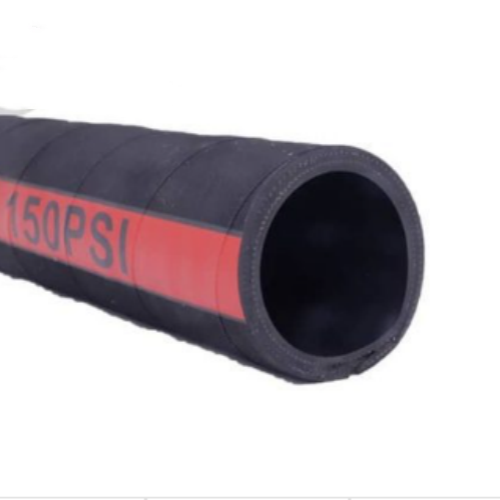
OEM SAE100R17 refers to hydraulic hose assemblies manufactured to meet the specifications defined by the Society of Automotive Engineers (SAE) standard J100R17. This standard dictates requirements for non-conductive, synthetic rubber reinforcement hydraulic hoses intended for use in a wide range of industrial and mobile hydraulic systems. Positioned within the fluid power transmission industry, SAE100R17 hoses represent a crucial component for conveying hydraulic fluid under pressure. They are typically utilized in applications requiring moderate to high pressure capabilities and resistance to abrasion and weathering. Core performance characteristics include burst pressure, working pressure, temperature range, and fluid compatibility, all critically assessed to ensure system reliability and safety. A key distinction of this hose type is its non-conductive property, making it suitable for applications where electrical hazards are present. The selection of SAE100R17 hoses hinges on understanding operating pressures, fluid types, environmental conditions, and adherence to safety regulations.
Material Science & Manufacturing
The construction of SAE100R17 hoses typically involves four key layers: the inner tube, reinforcement layer(s), outer cover, and potentially a bonding layer. The inner tube is commonly formulated from a blend of synthetic rubbers, primarily nitrile rubber (NBR) due to its excellent resistance to petroleum-based hydraulic fluids. NBR’s chemical structure provides compatibility with a broad spectrum of fluids, but careful consideration must be given to specific fluid types as variations in ester content can affect long-term performance. The reinforcement layer, vital for pressure containment, consists of multiple spiral plies of high-tensile strength synthetic fiber, often polyester. Fiber selection is paramount; polyester provides excellent strength and dimensional stability, minimizing hose elongation under pressure. The outer cover is typically composed of chloroprene rubber (CR), commonly known as neoprene, chosen for its exceptional resistance to abrasion, ozone, weathering, and oil. The bonding layers, if used, are crucial for ensuring adhesion between the various layers, maintaining the hose’s structural integrity. Manufacturing processes involve extrusion of the inner tube and outer cover, calendaring of the reinforcement plies, and a spiraling process to apply the reinforcement layers. These components are then assembled and cured under heat and pressure to create a cohesive, durable hose. Critical parameters during manufacturing include extrusion temperature, curing time and temperature, reinforcement ply tension, and dimensional tolerances. Variations in these parameters directly impact burst pressure, elongation, and overall hose lifespan. Material batch consistency and stringent quality control are essential to meet SAE J100R17 requirements.

Performance & Engineering
The performance of SAE100R17 hoses is dictated by several key engineering principles. Burst pressure, a critical safety parameter, is determined by the tensile strength of the reinforcement layers and the adhesion between layers. Hose manufacturers perform burst tests exceeding the designated working pressure by a significant margin (typically a 4:1 safety factor) to validate design integrity. Working pressure is defined as the maximum continuous operating pressure at a specified temperature. Temperature ratings are crucial; both high and low temperatures affect the rubber compounds’ flexibility and strength. Exposure to extreme temperatures can lead to hardening, cracking, or softening of the hose material. Furthermore, hydraulic hose performance is directly influenced by fluid compatibility. Incompatible fluids can cause swelling, degradation, or permeation through the inner tube, leading to leakage and system failure. Fluid velocity also plays a role; higher velocities increase pressure drop and can induce vibration and fatigue. The hose bend radius is another critical consideration. Exceeding the minimum bend radius can cause kinking and localized stress concentrations, reducing hose lifespan. Force analysis during installation and operation is crucial to prevent damage. Hose assemblies must be properly supported to avoid excessive strain and sagging. Compliance with SAE J100R17 ensures that hoses meet minimum performance standards for burst pressure, temperature range, and fluid resistance, ultimately contributing to the safe and reliable operation of hydraulic systems.
Technical Specifications
| Parameter | Unit | SAE 100R17 Specification | Typical Value (OEM Specific) |
|---|---|---|---|
| Working Pressure | PSI | Up to 2250 | 1500-2200 |
| Burst Pressure | PSI | 4:1 Safety Factor of Working Pressure | 6000-9000 |
| Temperature Range | °F | -40 to +212 | -40 to +212 |
| Inner Tube Material | - | Nitrile Rubber (NBR) | NBR |
| Reinforcement | - | Polyester Fiber Braid | Multiple Spiral Polyester |
| Outer Cover | - | Chloroprene Rubber (CR) | CR |
| Minimum Bend Radius | inches | Varies with Hose ID | 6-12 (depending on ID) |
Failure Mode & Maintenance
SAE100R17 hoses are susceptible to several failure modes. Fatigue cracking, often initiated at the fitting interface, is a common issue arising from repeated flexing and pressure cycling. This can be exacerbated by improper hose routing or insufficient support. Another failure mode is abrasion damage to the outer cover, caused by contact with abrasive surfaces or environmental debris. This can compromise the reinforcement layers, leading to premature failure. Internal degradation of the inner tube can occur due to fluid incompatibility or contamination, resulting in swelling, softening, or cracking. Oxidation of the rubber compounds, accelerated by exposure to ozone and UV radiation, can also lead to material deterioration and cracking. Delamination, the separation of layers, is a critical failure mode resulting from poor bonding or exposure to extreme temperatures. Preventive maintenance is crucial for extending hose lifespan. Regular visual inspections should be conducted to identify signs of abrasion, cracking, swelling, or leaks. Hose assemblies should be properly routed and supported to minimize stress and flexing. Fluid contamination should be prevented through the use of appropriate filtration systems. Hoses should be replaced at recommended intervals, even if no visible damage is apparent, as internal degradation can occur without external symptoms. When replacing hoses, ensure compatibility with the hydraulic fluid and operating conditions. Correct fitting installation procedures, including proper crimping, are essential to ensure a secure and leak-free connection. Regular torque checks on fittings are also recommended.
Industry FAQ
Q: What is the impact of exceeding the minimum bend radius on SAE100R17 hose performance?
A: Exceeding the minimum bend radius creates a localized stress concentration within the hose structure. This can lead to premature fatigue cracking, particularly in the reinforcement layers, reducing the hose’s overall lifespan and potentially causing catastrophic failure. Sharp bends significantly compromise the hose’s ability to withstand pressure and flexing.
Q: How does fluid temperature affect the working pressure rating of an SAE100R17 hose?
A: The working pressure rating of an SAE100R17 hose is typically specified at a standard temperature (e.g., 73°F). As temperature increases, the rubber compounds become more flexible, potentially leading to increased elongation under pressure and a reduced burst pressure. Conversely, lower temperatures can cause the rubber to harden and become less flexible, making it more susceptible to cracking. Manufacturers typically provide derating factors for varying temperatures.
Q: What are the key considerations when selecting a hose fitting for an SAE100R17 hose?
A: The fitting must be compatible with the hose’s material and pressure rating. It’s crucial to use fittings specifically designed for SAE100R17 hoses. The fitting's crimp specification must be adhered to precisely during assembly to ensure a secure, leak-free connection. Improper crimping can lead to fitting slippage or hose blowout. The fitting material should also be compatible with the hydraulic fluid.
Q: How can I identify if an SAE100R17 hose is experiencing internal degradation?
A: Internal degradation is often difficult to detect visually. Signs may include a reduction in flow rate, increased pressure fluctuations, or the presence of sludge or particles in the hydraulic fluid. A drop in hose flexibility or an unusual softness can also indicate internal degradation. Regular fluid analysis can help identify the presence of degradation products.
Q: What is the significance of the 4:1 safety factor in SAE100R17 hose burst pressure testing?
A: The 4:1 safety factor is a critical design requirement stipulated by SAE J100R17. It means that the hose must withstand a pressure four times greater than its designated working pressure before failing. This provides a substantial margin of safety to account for pressure surges, dynamic loads, and potential material defects, ensuring reliable operation and preventing catastrophic failures.
Conclusion
SAE100R17 hydraulic hoses are integral to numerous industrial and mobile applications, providing a reliable means of fluid power transmission. Their construction, utilizing carefully selected materials and controlled manufacturing processes, ensures robustness and adherence to stringent safety standards. Understanding the material properties, performance characteristics, and potential failure modes of these hoses is essential for proper selection, installation, and maintenance.
Proper preventative maintenance, including regular inspections and adherence to recommended replacement intervals, is critical for maximizing hose lifespan and minimizing the risk of costly downtime and safety hazards. Continued advancements in rubber technology and hose manufacturing techniques promise to further enhance the performance and durability of SAE100R17 hoses, addressing the evolving needs of the hydraulic systems industry.