
Apr . 01, 2024 17:55 Back to list
oem petroleum gasoline oil rubber delivery hose Performance Analysis

Introduction
OEM petroleum gasoline oil rubber delivery hose constitutes a critical component in the safe and efficient transfer of fuel within various industrial applications. Positioned within the downstream petroleum product handling chain, these hoses serve as the final link between storage and dispensing or processing equipment. Core performance characteristics center around fluid compatibility, pressure resistance, and long-term durability under exposure to harsh environmental conditions and repeated flexing. Unlike general-purpose rubber hoses, these delivery hoses are specifically engineered to withstand the corrosive effects of gasoline, diesel, and other petroleum-based products while maintaining mechanical integrity. Industry-wide pain points frequently involve premature hose failure due to material degradation, permeation leading to fuel loss, and incompatibility resulting in swelling or cracking. Addressing these challenges necessitates a detailed understanding of material science, manufacturing processes, and stringent quality control procedures.
Material Science & Manufacturing
The foundational material for these hoses is typically a synthetic rubber compound, with Nitrile Butadiene Rubber (NBR) being the most prevalent choice due to its exceptional resistance to petroleum-based fuels and oils. NBR’s acrylonitrile content dictates its fuel resistance; higher acrylonitrile content provides superior resistance but can reduce flexibility at low temperatures. Alternative materials like Chloroprene Rubber (CR), also known as Neoprene, are employed for improved ozone and weather resistance, particularly in applications with prolonged outdoor exposure. The reinforcement layer is crucial for withstanding internal pressure and preventing hose collapse. High-tensile strength textile braids, typically composed of polyester or aramid fibers, are commonly used. The outer cover, often constructed from Chloroprene or EPDM rubber, provides protection against abrasion, weathering, and UV degradation.
Manufacturing typically involves several key stages. First, the rubber compound is mixed and calendered to form a continuous sheet. The reinforcement braid is then spirally wrapped or braided onto the inner tube. This assembly is subsequently vulcanized – a process of heating the rubber with sulfur or other curing agents – to crosslink the polymer chains, thereby imparting elasticity, strength, and resistance to chemical attack. Precise control of temperature, pressure, and cure time are vital to achieve optimal physical properties. Post-vulcanization, the outer cover is extruded or applied, followed by final inspection and testing. Key parameters controlled during manufacturing include rubber hardness (measured using Shore A durometer), tensile strength, elongation at break, and resistance to fuel permeation. Consistent batch-to-batch material consistency is paramount, requiring rigorous raw material sourcing and quality control protocols.
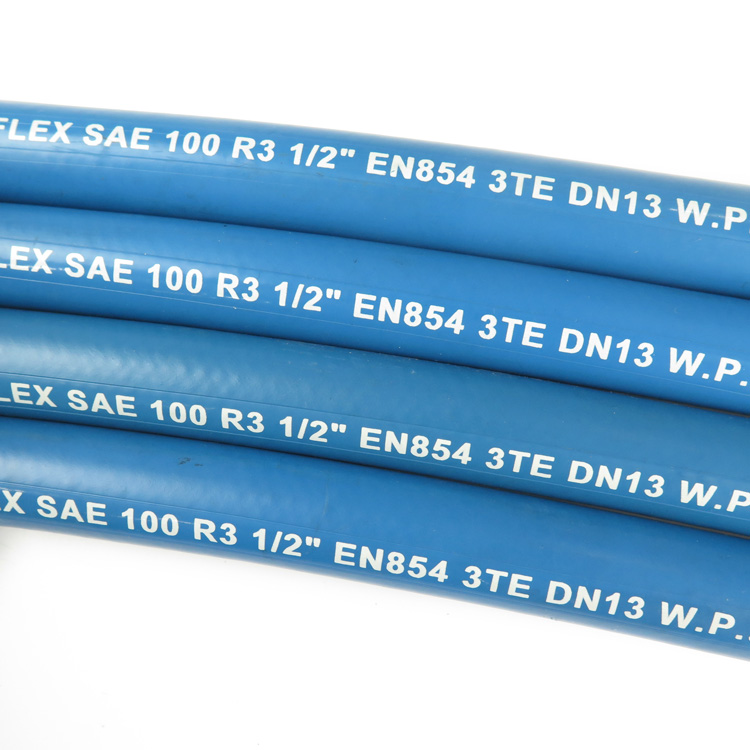
Performance & Engineering
The performance of a petroleum gasoline oil rubber delivery hose is governed by several critical engineering considerations. Burst pressure, defined as the pressure at which the hose fails, is a primary safety parameter. Working pressure, typically a fraction of the burst pressure (often 1:4 safety factor), dictates the maximum permissible operating pressure. Hose flexibility, measured by bend radius, is crucial for ease of installation and handling. Static electricity buildup can pose a significant ignition hazard when transferring flammable fuels; therefore, hoses are often designed with conductive or anti-static properties, achieved through the incorporation of conductive carbon black or metal filaments. Environmental resistance, encompassing ozone, UV, and temperature fluctuations, is critical for longevity. Permeation, the diffusion of fuel through the hose wall, is a major concern from both an environmental and economic perspective, leading to fuel loss and potential ground contamination. Force analysis involves evaluating the stresses generated during internal pressure, bending, and axial loading. Finite element analysis (FEA) is frequently employed to optimize hose design and predict performance under various loading conditions. Compliance with industry standards (detailed in the footer) is non-negotiable, often mandating specific performance criteria and testing procedures.
Technical Specifications
| Parameter | Unit | Typical Value (NBR Hose) | Test Standard |
|---|---|---|---|
| Working Pressure | psi | 150 | SAE J30R9 |
| Burst Pressure | psi | 600 | SAE J30R9 |
| Temperature Range | °F | -40 to +212 | SAE J30R9 |
| Inner Diameter | inch | 0.5 - 2.0 | Manufacturer Specification |
| Outer Diameter | inch | 0.75 – 2.5 | Manufacturer Specification |
| Tensile Strength | psi | >3000 | ASTM D412 |
| Elongation at Break | % | >300 | ASTM D412 |
| Fuel Permeation (Gasoline) | g/m²/day | <5 | ASTM F1457 |
Failure Mode & Maintenance
Failure modes in petroleum gasoline oil rubber delivery hoses are diverse and can be attributed to a multitude of factors. Fatigue cracking, induced by repeated flexing and pressure cycles, is a common issue, particularly near hose fittings. Ozone cracking, manifested as surface cracks, occurs due to ozone attack, especially in outdoor applications. Hydrolytic degradation involves the breakdown of the rubber polymer chains due to exposure to water and fuel contaminants. Fuel permeation can lead to plasticizer depletion, resulting in hardening and cracking. Abrasion from contact with abrasive surfaces can wear away the outer cover, exposing the reinforcement layer. Chemical incompatibility, arising from contact with fluids other than intended fuels, can cause swelling, softening, or dissolution of the rubber.
Preventative maintenance is crucial for extending hose life and ensuring safe operation. Regular visual inspections should be conducted to identify signs of cracking, swelling, abrasion, or leakage. Hoses should be stored properly, protected from direct sunlight, ozone sources, and extreme temperatures. Avoid sharp bends or kinks that can induce stress concentrations. Proper hose fitting selection and installation are vital to prevent leaks and premature failure. Flush the hose periodically to remove sediment and contaminants. Replace hoses at recommended intervals, even if no visible damage is apparent, or when they exhibit any signs of degradation. Document all inspections and maintenance activities for traceability and compliance.
Industry FAQ
Q: What is the significance of the 'SAE J30R9' standard and how does it relate to hose selection?
A: SAE J30R9 is a Society of Automotive Engineers (SAE) standard specifically for fuel transfer hose. It defines critical performance characteristics, including working pressure, burst pressure, temperature range, and fuel resistance. Adherence to J30R9 ensures the hose is suitable for gasoline, diesel, and fuel blends, providing a baseline level of safety and reliability. When selecting a hose, verifying J30R9 compliance is crucial, alongside considering specific fuel type, operating pressure, and temperature conditions.
Q: How do I determine the appropriate hose diameter for my application?
A: Hose diameter is determined by the required flow rate and pressure drop. Smaller diameters result in higher velocity and increased pressure drop, while larger diameters reduce velocity but may increase hose weight and cost. Calculations based on fluid dynamics principles are necessary, considering factors such as fluid viscosity, flow rate, and hose length. Consulting with a hose manufacturer or a fluid handling specialist is recommended for accurate sizing.
Q: What are the implications of using a hose with incompatible fuel types?
A: Using a hose with an incompatible fuel type can lead to catastrophic failure. Certain fuels contain components that can cause the rubber to swell, soften, or degrade, compromising its mechanical integrity. For example, using a hose designed for gasoline with ethanol-blended fuels without proper compatibility verification can lead to significant swelling and cracking. Always verify the hose’s fuel compatibility chart before use.
Q: How does temperature affect the performance and lifespan of a rubber delivery hose?
A: Temperature extremes significantly impact rubber properties. High temperatures accelerate degradation and reduce tensile strength, while low temperatures can reduce flexibility and increase the risk of cracking. The specified temperature range on the hose datasheet defines the safe operating limits. Prolonged exposure outside this range can drastically shorten hose life. Consider using hoses specifically designed for extreme temperature applications if necessary.
Q: What measures can be taken to prevent static electricity buildup during fuel transfer?
A: Static electricity buildup is a serious hazard during fuel transfer. Measures to prevent it include grounding the hose and dispensing equipment, using anti-static hoses incorporating conductive materials (like carbon black), and controlling the flow rate to minimize friction. Regularly inspect grounding connections for integrity. Humidity levels can also influence static charge generation; higher humidity reduces the risk.
Conclusion
OEM petroleum gasoline oil rubber delivery hoses represent a specialized engineering component requiring careful consideration of material science, manufacturing processes, and operational parameters. Ensuring compatibility with the intended fuel type, maintaining appropriate operating pressures and temperatures, and implementing a robust preventative maintenance program are essential for maximizing hose lifespan and preventing potentially hazardous failures. The selection process must be based on a comprehensive understanding of the application’s requirements and adherence to relevant industry standards.
Future advancements in hose technology are likely to focus on the development of new rubber compounds with enhanced fuel resistance and permeation characteristics, as well as the integration of smart sensors for real-time monitoring of hose condition. These innovations will contribute to improved safety, efficiency, and environmental sustainability within the petroleum handling industry, ultimately reducing the risk of costly downtime and environmental contamination.