
Apr . 01, 2024 17:55 Back to list
oem one wire braided hydraulic hose Performance Analysis

Introduction
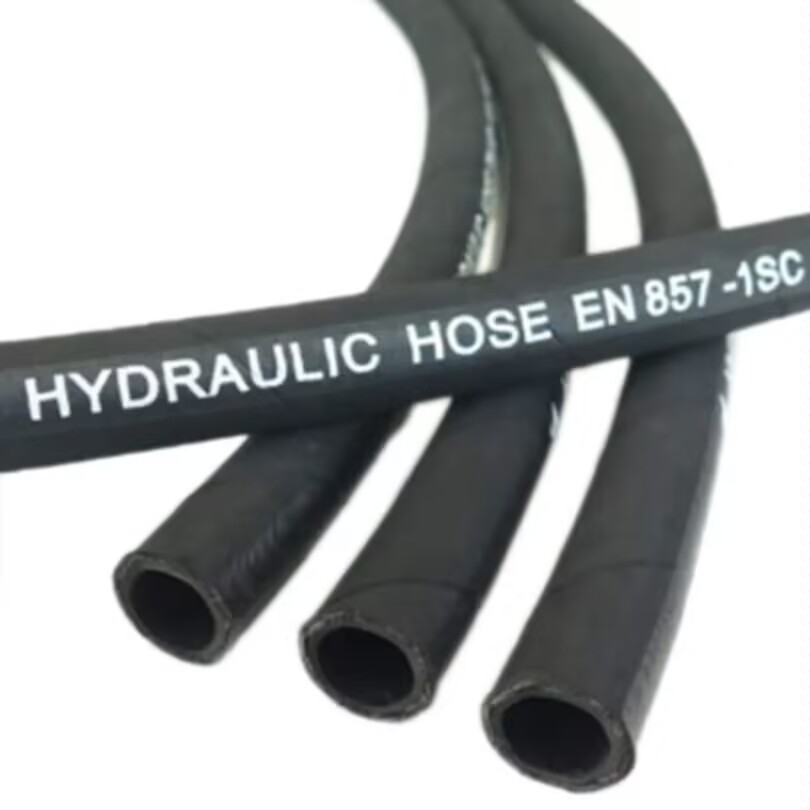
OEM one wire braided hydraulic hose represents a critical component in fluid power systems across a multitude of industrial applications. This hose type, characterized by a single layer of high-tensile steel wire braid reinforcement embedded within a synthetic rubber inner tube and outer cover, delivers a balance of flexibility, pressure capacity, and cost-effectiveness. Positioned within the hydraulic system supply chain between hose fitting manufacturers and end-users in sectors like construction, agriculture, material handling, and manufacturing, its performance directly impacts system reliability and operational safety. Core performance metrics include burst pressure, working pressure, temperature resistance, and resistance to hydraulic fluid degradation. A critical pain point within the industry centers around maintaining consistent quality in OEM sourcing, managing variations in raw material composition, and ensuring adherence to increasingly stringent safety regulations concerning hose failure and fluid leakage.
Material Science & Manufacturing
The core materials in one wire braided hydraulic hose construction dictate its properties. The inner tube is typically composed of synthetic rubber compounds, predominantly nitrile (NBR) for oil resistance, or ethylene propylene diene monomer (EPDM) for compatibility with phosphate ester fluids. These polymers exhibit specific hardness (measured in Shore A) and tensile strength influencing fluid compatibility and permeation resistance. The reinforcement braid utilizes high-strength steel wire, typically carbon steel, drawn to precise diameters and exhibiting high yield and tensile strength. Surface treatment of the wire, like galvanization or passivation, prevents corrosion. The outer cover commonly employs chloroprene (CR) rubber for abrasion and weather resistance. Manufacturing begins with extrusion of the inner tube, followed by helical winding of the steel wire braid. Precise tension control during braiding is critical for consistent pressure ratings. Subsequently, the braid is fully encapsulated within the outer cover through another extrusion process. Vulcanization – a thermal curing process – crosslinks the rubber polymers, imparting elasticity and structural integrity. Key parameters monitored during manufacturing include rubber compound viscosity, extrusion temperature, braid tension, vulcanization time and temperature, and dimensional tolerances. Post-production, hoses undergo rigorous pressure testing and leak detection to ensure quality control.
Performance & Engineering
The performance of one wire braided hose hinges on its ability to withstand internal pressure and external stresses. Force analysis focuses on hoop stress within the inner tube, shear stress between the tube and braid, and axial stress in the reinforcement. Burst pressure, typically four times the working pressure, is a critical design parameter. Temperature resistance is vital, as both high and low temperatures impact rubber elasticity and fluid viscosity. Hydraulic fluid compatibility demands careful material selection to prevent swelling, degradation, or cracking. Environmental resistance – exposure to UV radiation, ozone, and chemicals – requires the outer cover to provide adequate protection. Compliance requirements are dictated by standards like SAE J517 (USA), EN 856 (Europe), and GB/T 36860 (China), each specifying performance characteristics and testing methodologies. The angle of the braid impacts flexibility and pressure capacity; a steeper angle generally yields higher pressure ratings but reduced flexibility. Hose end fittings significantly influence performance; improper crimping can lead to premature failure. Fatigue life, subjected to cyclical pressure loading, is a crucial engineering consideration, directly correlating with service life and maintenance intervals.
Technical Specifications
| Parameter | Unit | Typical Value (NBR Inner Tube) | Typical Value (EPDM Inner Tube) |
|---|---|---|---|
| Working Pressure | MPa | 20 | 16 |
| Burst Pressure | MPa | 80 | 64 |
| Temperature Range | °C | -40 to +100 | -40 to +120 |
| Inner Diameter | mm | 6 – 51 | 6 – 51 |
| Outer Diameter | mm | 10 – 64 | 10 – 64 |
| Braid Coverage | % | >40 | >40 |
Failure Mode & Maintenance
Failure modes in one wire braided hydraulic hose are diverse. Fatigue cracking, initiated by cyclical pressure and bending, is a common issue, often originating at braid crossover points. Abrasion damage to the outer cover exposes the braid to corrosion, weakening the structure. Internal degradation of the rubber tube occurs through chemical attack by incompatible fluids, leading to swelling, softening, and eventual leakage. Pinholes can form due to corrosion or localized damage. Delamination between the tube, braid, and cover compromises structural integrity. Oxidation of the steel braid, especially in humid environments, reduces its tensile strength. Maintenance strategies include regular visual inspection for abrasions, cracks, and leaks. Fluid analysis identifies incompatible fluids and contamination. Proper hose routing and support prevent excessive bending and abrasion. Periodic pressure testing confirms hose integrity. When replacing hoses, ensure compatibility with the hydraulic fluid and proper crimping of end fittings. Avoid exceeding the hose's working pressure or temperature limits. Proper storage in a cool, dry, dark environment extends service life.
Industry FAQ
Q: What is the impact of hydraulic fluid type on the service life of an NBR inner tube?
A: Incorrect fluid selection drastically reduces service life. NBR is susceptible to degradation by phosphate ester fluids, causing swelling and loss of mechanical properties. Using mineral oil-based fluids or synthetic hydraulic fluids specifically formulated for NBR is crucial for longevity.
Q: How does the braid angle affect hose performance, and what’s the typical trade-off?
A: A steeper braid angle provides higher pressure capacity due to increased hoop strength, but at the expense of flexibility. A shallower angle offers greater flexibility, but reduces the hose's ability to withstand high pressures. The optimal angle is determined by the application requirements.
Q: What are the key indicators of impending hose failure during a visual inspection?
A: Indicators include abrasions, cuts, cracks (especially near fittings), swelling or softening of the rubber, visible corrosion of the braid, and any signs of fluid leakage. Any observed damage warrants immediate hose replacement.
Q: How critical is the crimping process for hose end fittings, and what are the consequences of improper crimping?
A: Crimping is paramount. Under-crimping results in leakage and potential hose separation under pressure. Over-crimping can damage the hose reinforcement, leading to premature failure. Utilizing calibrated crimping equipment and following fitting manufacturer's specifications is essential.
Q: What are the primary differences between SAE J517 and EN 856 standards, and which should be prioritized?
A: SAE J517 is widely used in North America, while EN 856 is prevalent in Europe. Both specify performance requirements, but differ in testing methodologies and acceptance criteria. Prioritize the standard mandated by the end-user or regulatory requirements of the operating region.
Conclusion
OEM one wire braided hydraulic hose remains a workhorse in fluid power transmission, offering a reliable and cost-effective solution for a wide range of applications. Its performance, however, is intrinsically linked to material selection, manufacturing precision, and diligent maintenance. Understanding the interplay between material properties, engineering principles, and adherence to international standards is vital for ensuring optimal operational longevity and mitigating the risk of catastrophic failure.
Continued advancements in rubber compounds and reinforcement materials promise enhanced hose performance – increased pressure ratings, broader temperature ranges, and improved chemical resistance. The industry trend towards predictive maintenance, leveraging sensor technology and data analytics, will enable more proactive hose monitoring and timely replacement, further enhancing system reliability and safety.