
Apr . 01, 2024 17:55 Back to list
oem nylon hose Performance Analysis

Introduction
OEM nylon hose, typically reinforced with textile or steel braiding, constitutes a critical component in fluid transfer systems across diverse industrial applications. Positioned between fittings and the conveyed medium, these hoses are integral to sectors including automotive, hydraulics, pneumatics, and chemical processing. Their function is not merely conveyance, but the safe and reliable transmission of fluids and gases under varying pressure, temperature, and chemical exposure conditions. The core performance characteristics – burst pressure, working pressure, temperature range, and chemical compatibility – are paramount. Failure results in system downtime, potential environmental hazards, and safety risks. This guide provides an in-depth technical analysis of OEM nylon hose, covering material science, manufacturing processes, performance engineering, failure modes, and relevant industry standards. A key pain point for procurement managers is balancing cost with demonstrated, quantifiable performance data and ensuring adherence to stringent safety regulations.
Material Science & Manufacturing
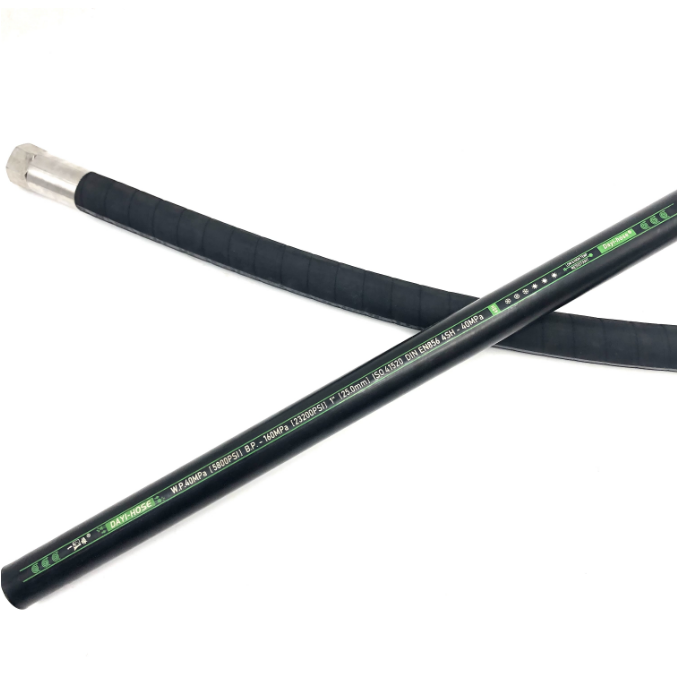
The primary material for OEM nylon hose is polyamide 6 or polyamide 6,6, commonly known as nylon 6 or nylon 66. Nylon 6 is characterized by its higher impact resistance and lower moisture absorption, while nylon 66 offers superior tensile strength and thermal stability. The selection hinges on the application's specific requirements. Raw material properties include a density of approximately 1.13-1.15 g/cm³, a tensile strength ranging from 80-100 MPa, and an elongation at break between 30-50%. Moisture content is a critical parameter; even slight absorption can significantly reduce mechanical properties. Manufacturing typically involves extrusion. The nylon polymer is melted and forced through a die to form a seamless tube. This extrusion process requires precise control of temperature (typically 240-260°C), pressure, and screw speed to ensure consistent wall thickness and dimensional accuracy. Following extrusion, the hose undergoes cooling and sizing. Reinforcement layers, typically braided from high-tensile polyester or steel wire, are then applied. The braiding angle and yarn/wire density dictate the hose’s pressure rating. Finally, an outer cover, often composed of polyurethane or another abrasion-resistant polymer, is extruded to protect the inner liner and reinforcement from environmental degradation. Post-production quality control includes burst pressure testing, leak testing, and dimensional inspection. Parameter control during extrusion, particularly melt temperature and cooling rate, directly impacts crystallinity and subsequent mechanical performance. Variations in crystallinity affect permeability and resistance to chemical attack.
Performance & Engineering
Performance of OEM nylon hose is fundamentally governed by its ability to withstand internal pressure without failure. The hoop stress within the hose wall, calculated using the Barlow formula (σ = PD/2t, where σ is hoop stress, P is internal pressure, D is inner diameter, and t is wall thickness), dictates its structural integrity. Finite element analysis (FEA) is frequently employed during the design phase to optimize wall thickness and reinforcement configuration for specific pressure and temperature profiles. Environmental resistance is another crucial aspect. Prolonged exposure to UV radiation, ozone, and extreme temperatures can cause degradation of the nylon polymer, leading to embrittlement and reduced flexibility. Chemical compatibility is paramount; nylon is susceptible to attack by strong acids, bases, and certain solvents. Swelling and plasticization can occur, compromising the hose’s mechanical properties and leading to leaks. Fatigue resistance is vital in applications involving pulsating pressures. Repeated stress cycles can induce crack initiation and propagation, eventually leading to catastrophic failure. Compliance requirements vary by industry and region. Automotive applications, for example, demand compliance with SAE J844 and FMVSS 571. Hydraulic systems often require adherence to ISO 6049 and DIN EN 856. Material traceability and documentation are essential to demonstrate compliance.
Technical Specifications
| Parameter | Unit | Nylon 6 Hose | Nylon 66 Hose |
|---|---|---|---|
| Working Pressure | MPa | 10-35 | 15-45 |
| Burst Pressure | MPa | 30-105 | 45-135 |
| Temperature Range | °C | -40 to +100 | -40 to +120 |
| Inner Diameter | mm | 4-50 | 6-75 |
| Outer Diameter | mm | 6-55 | 8-80 |
| Wall Thickness | mm | 1.5-4 | 2-5 |
Failure Mode & Maintenance
Common failure modes in OEM nylon hose include burst failure due to exceeding the working pressure, fatigue cracking from cyclic loading, chemical degradation resulting from incompatible fluids, and permeation leading to leakage. Burst failures are typically abrupt and catastrophic, often originating from defects in the hose wall or reinforcement. Fatigue cracking initiates at stress concentrators (e.g., fittings, kinks) and propagates over time, eventually leading to complete rupture. Chemical degradation manifests as swelling, softening, or embrittlement of the nylon material. Permeation, the diffusion of fluids through the hose wall, is exacerbated by elevated temperatures and pressures. Failure analysis techniques include visual inspection (for cracks, blisters, and discoloration), hydrostatic testing (to determine burst pressure), and microscopic examination (to identify material defects and degradation mechanisms). Preventive maintenance is crucial. Regular visual inspections should be conducted to identify any signs of damage or degradation. Hoses should be replaced periodically, even if no visible defects are present, based on the application's severity and the manufacturer’s recommendations. Proper storage is essential; hoses should be stored in a cool, dry place away from direct sunlight and chemicals. Avoid sharp bends and kinks during installation and operation. Regularly check fitting connections for leaks and ensure they are properly tightened. When handling corrosive fluids, verify the hose’s chemical compatibility prior to use.
Industry FAQ
Q: What is the impact of moisture absorption on the performance of nylon hose used in hydraulic applications?
A: Moisture absorption by the nylon material reduces its tensile strength, elongation at break, and impact resistance. In hydraulic systems, this can lead to premature failure, particularly under high pressure and cyclic loading. Maintaining low moisture content through proper material selection (e.g., nylon 66 with lower absorption) and storage is critical. Regular testing for moisture content is recommended, especially after prolonged storage.
Q: How does the reinforcement braid affect the burst pressure rating of the hose?
A: The reinforcement braid provides the primary resistance to hoop stress. Higher braid density (more wires/yarns per inch) and a smaller braiding angle increase the hose’s ability to withstand internal pressure. Steel wire braiding generally offers higher burst pressure capability than polyester yarn braiding. The braid material and construction are carefully engineered to meet specific pressure requirements.
Q: What are the key considerations when selecting a nylon hose for use with aggressive chemicals?
A: Chemical compatibility is paramount. Consult a chemical resistance chart to verify the nylon material’s resistance to the specific fluid being conveyed. Consider the concentration, temperature, and duration of exposure. If the chemical is incompatible, select a hose made from a more resistant material, such as PTFE or rubber. A protective outer cover can also provide an additional barrier.
Q: What are the typical failure mechanisms associated with nylon hose used in automotive fuel lines?
A: Automotive fuel lines are susceptible to permeation of gasoline or diesel fuel, leading to swelling and softening of the nylon material. Exposure to ozone and UV radiation can also cause degradation. Mechanical stress from vibration and flexing can induce fatigue cracking. Regular inspection and replacement are critical to prevent fuel leaks and potential fire hazards.
Q: How can FEA be used to optimize the design of a nylon hose for a specific application?
A: FEA allows engineers to simulate the stress distribution within the hose wall under various loading conditions (pressure, temperature, bending). This enables optimization of wall thickness, reinforcement configuration, and material selection to maximize performance and minimize weight. FEA can also identify potential weak points and predict failure modes.
Conclusion
OEM nylon hose, while offering a cost-effective and versatile solution for fluid transfer, necessitates a thorough understanding of its material properties, manufacturing processes, and potential failure modes. Achieving optimal performance and longevity requires careful consideration of application-specific requirements, including pressure, temperature, chemical exposure, and fatigue loading. Failure to account for these factors can lead to premature failure, system downtime, and safety hazards.
Continued advancements in polymer technology and reinforcement materials are driving improvements in nylon hose performance. Future trends include the development of more chemically resistant nylon formulations, lighter-weight reinforcement materials, and intelligent hose systems with integrated sensors for real-time monitoring of pressure, temperature, and leak detection. A proactive approach to maintenance and adherence to relevant industry standards are essential for ensuring the safe and reliable operation of OEM nylon hose systems.

