
Apr . 01, 2024 17:55 Back to list
oem natural gas hose Performance Analysis
Introduction
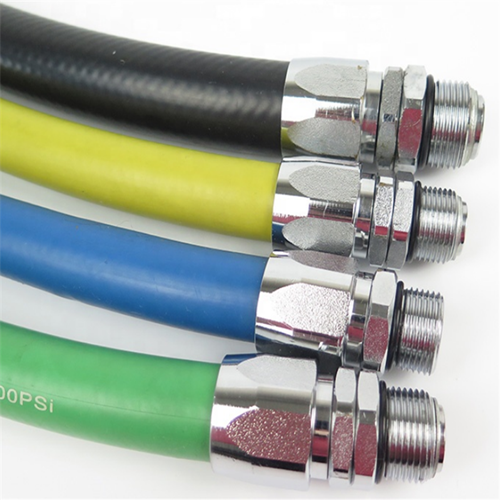
OEM natural gas hose represents a critical component in the safe and efficient distribution of natural gas, serving a diverse range of applications from residential heating to industrial processes. These hoses are engineered to withstand the specific pressures, temperatures, and environmental conditions inherent to natural gas conveyance. Positioned within the broader natural gas infrastructure, the hose acts as a flexible connector between fixed piping systems and gas appliances or equipment. Core performance characteristics center around maintaining leak-tight integrity under pressure, resisting degradation from natural gas exposure, and providing a robust barrier against external damage. A key industry pain point involves ensuring consistent material quality to prevent catastrophic failure and maintaining compliance with stringent safety regulations mandated by governing bodies. This guide provides a comprehensive technical overview of OEM natural gas hoses, detailing their material science, manufacturing processes, performance parameters, potential failure modes, and relevant industry standards.
Material Science & Manufacturing
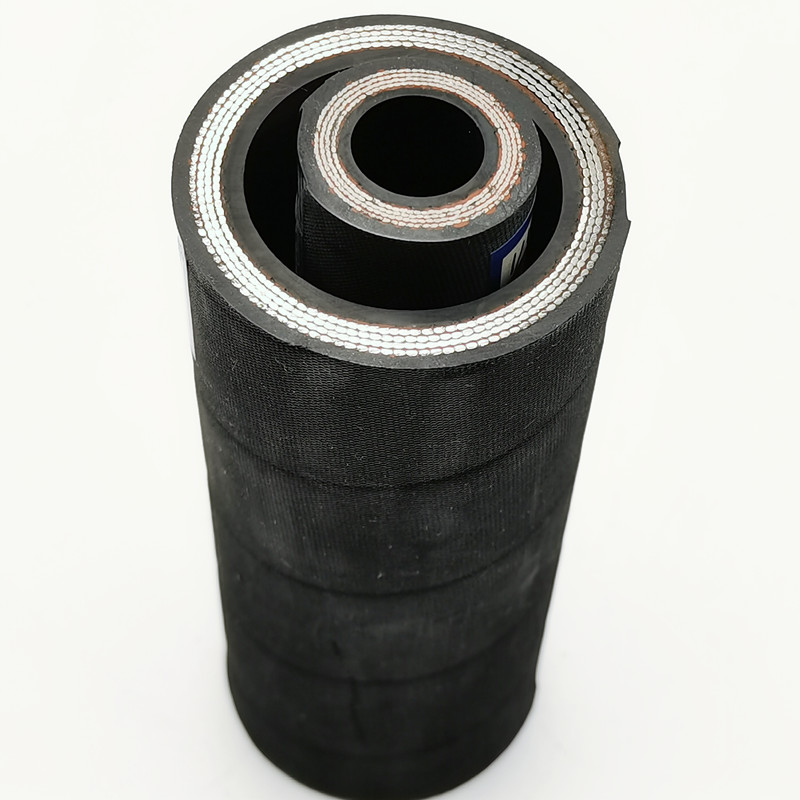
The composition of OEM natural gas hose is dictated by the need for chemical compatibility with natural gas (primarily methane) and the ability to withstand internal pressure and external stresses. The core materials typically include a synthetic rubber inner tube (commonly nitrile rubber, NBR, for its excellent gas impermeability and resistance to hydrocarbons), a reinforcement layer (usually braided high-tensile strength polyester or steel wire for pressure resistance), and an outer cover (often a synthetic rubber like chloroprene rubber, CR, or ethylene propylene diene monomer rubber, EPDM, for weather and abrasion resistance). NBR's chemical structure, containing nitrile groups, provides a tight molecular structure limiting gas permeation. Polyester braiding is manufactured through a complex weaving process where individual yarns are interlaced at specific angles to maximize strength and flexibility. Steel wire reinforcement is helically wound around the inner tube, offering significantly higher pressure capacity but reduced flexibility. Manufacturing begins with extrusion of the inner tube, followed by application of the reinforcement layer. A bonding adhesive is crucial to ensure firm adhesion between layers, preventing delamination. The outer cover is then extruded, and the hose is cured through a vulcanization process. Critical parameters during vulcanization include temperature, pressure, and time; deviations can lead to under-cured (low tensile strength) or over-cured (brittle) rubber. Quality control involves burst pressure testing, leak testing (using nitrogen or helium), and dimensional verification. Material certifications, confirming compliance with specifications like ASTM D2000, are paramount.
Performance & Engineering
The performance of a natural gas hose is primarily governed by its ability to contain pressure safely and prevent gas leakage. Force analysis considers both internal pressure acting radially on the inner tube and external stresses induced by bending, kinking, and mechanical impacts. The reinforcement layer bears the brunt of the internal pressure, while the rubber compounds provide sealing and flexibility. Burst pressure, a critical performance metric, is determined through hydrostatic testing – increasing internal pressure until failure. The design safety factor, typically 4:1, ensures that the hose can withstand pressures significantly higher than those encountered in normal operation. Environmental resistance is crucial; prolonged exposure to UV radiation, ozone, and temperature extremes can degrade the rubber compounds. CR and EPDM exhibit superior resistance to these factors compared to NBR. Compliance requirements vary by region but generally include adherence to standards set by organizations like ANSI, CSA, and EN. Functional implementation necessitates proper fitting installation. Incorrectly sized or improperly crimped fittings are a major source of leaks. Hose routing must avoid sharp bends and contact with abrasive surfaces. Consideration must be given to thermal expansion and contraction; hoses should have sufficient slack to accommodate these movements. Furthermore, electrostatic discharge (ESD) can ignite natural gas; conductive reinforcement materials and grounding provisions mitigate this risk.
Technical Specifications
| Parameter | Unit | Typical Value (NBR/Polyester) | Typical Value (EPDM/Steel Wire) |
|---|---|---|---|
| Working Pressure | psi | 200 | 500 |
| Burst Pressure | psi | 800 | 2000 |
| Tensile Strength (Reinforcement) | psi | 3000 | 5000 |
| Gas Permeation Rate | cc/m²/day | <1 | <0.5 |
| Temperature Range | °F | -40 to 176 | -40 to 212 |
| Minimum Bend Radius | inches | 6 | 12 |
Failure Mode & Maintenance
Natural gas hose failure can manifest in several ways. Fatigue cracking occurs due to repeated bending and flexing, particularly in areas near fittings. Delamination, separation of the rubber and reinforcement layers, weakens the hose structure. Degradation of the rubber compounds results from prolonged exposure to UV, ozone, and hydrocarbons, leading to brittleness and cracking. Oxidation, especially at high temperatures, causes hardening and loss of elasticity. Fittings can fail due to corrosion, improper crimping, or material fatigue. Leakage, the most immediate concern, can occur at fittings, cracks in the hose body, or through permeation of the rubber. Maintenance involves regular visual inspection for cracks, abrasions, and signs of degradation. Hose connections should be checked for tightness and corrosion. Testing with a leak detection solution (soap and water) can identify small leaks. Hoses should be replaced if any damage is detected or if they have exceeded their service life (typically 5-10 years, depending on usage conditions). Proper storage is critical; hoses should be stored in a cool, dry, dark place, away from direct sunlight and ozone sources. Avoid sharp folds or kinks during storage. Preventative maintenance programs, including scheduled inspections and replacement, are crucial for ensuring long-term safety and reliability.
Industry FAQ
Q: What is the impact of natural gas composition (e.g., hydrogen blending) on hose material compatibility?
A: Increasing hydrogen content in natural gas can significantly impact hose material compatibility. Hydrogen causes “hydrogen embrittlement” in some metals, weakening steel wire reinforcement. Furthermore, hydrogen diffuses through rubber at a faster rate than methane, increasing permeation. Specialized hose materials formulated with hydrogen-resistant elastomers and reinforcement alloys are required for hydrogen-blended gas applications. Rigorous testing to confirm compatibility with the specific gas blend is essential.
Q: How does temperature cycling affect the long-term performance of a natural gas hose?
A: Temperature cycling induces thermal stress in the hose materials, leading to expansion and contraction. Repeated cycles can cause fatigue cracking in the rubber and loosening of fittings. Selecting materials with low coefficients of thermal expansion and ensuring adequate flexibility are crucial. Proper hose routing to minimize strain and the use of expansion loops can also mitigate these effects. Regular inspection for cracks and leaks is particularly important in applications with significant temperature fluctuations.
Q: What are the key considerations for selecting a hose for outdoor applications?
A: Outdoor applications demand hoses with superior resistance to UV radiation, ozone, and weather extremes. EPDM rubber is generally preferred for its excellent weathering properties. The outer cover should be abrasion-resistant to withstand environmental debris. Consideration should also be given to temperature fluctuations and the potential for water ingress. Proper drainage of the hose and protection from direct sunlight are important maintenance practices.
Q: What level of traceability is required for natural gas hose used in regulated installations?
A: Traceability is paramount for hoses used in regulated installations. Requirements typically include batch number identification, material certifications confirming compliance with relevant standards (ASTM, EN, etc.), and records of hydrostatic testing. Manufacturers should provide detailed documentation to facilitate traceability throughout the supply chain. This documentation is crucial for verifying the hose’s origin and ensuring its conformance to safety regulations.
Q: What is the role of fittings in overall hose system integrity?
A: Fittings are a critical component of the hose system and contribute significantly to overall integrity. Incorrectly sized, damaged, or improperly crimped fittings are a major source of leaks. Fittings must be compatible with the hose material and the gas being conveyed. Regular inspection of fittings for corrosion, damage, and tightness is essential. Using high-quality, certified fittings and employing proper installation techniques are crucial for maintaining a leak-free system.
Conclusion
OEM natural gas hose performance is deeply intertwined with material selection, precise manufacturing processes, and adherence to stringent industry standards. Understanding the interplay between chemical compatibility, mechanical properties, and environmental resistance is crucial for ensuring safe and reliable operation. The selection of appropriate hose materials (NBR, EPDM, CR) and reinforcement layers (polyester, steel wire) depends heavily on the specific application requirements and environmental conditions.
Looking ahead, innovations in hose materials, such as the development of hydrogen-resistant elastomers and advanced polymer blends, will address the challenges posed by evolving gas compositions and increasingly demanding operating environments. Continued focus on quality control, traceability, and preventative maintenance programs will be essential for mitigating failure risks and ensuring the long-term integrity of natural gas distribution systems. Ultimately, a holistic approach encompassing material science, engineering principles, and adherence to established standards is vital for delivering robust and dependable natural gas hose solutions.