
Apr . 01, 2024 17:55 Back to list
oem lpg hose Performance Analysis

Introduction
OEM LPG hose, or Liquefied Petroleum Gas hose, constitutes a critical component in the safe and efficient transfer of LPG in various applications, ranging from residential heating and cooking to industrial processes and automotive fuel systems. This guide provides a comprehensive technical overview of OEM LPG hose, detailing its material science, manufacturing processes, performance characteristics, potential failure modes, and relevant industry standards. Unlike standard rubber hoses, LPG hoses are engineered for compatibility with the specific chemical properties of LPG and require rigorous testing to ensure leak-proof performance under varying pressure and temperature conditions. The industry faces ongoing challenges related to material degradation due to LPG's inherent characteristics and the need for consistently high manufacturing quality to mitigate safety risks. This document aims to provide engineers, procurement specialists, and quality control personnel with the necessary technical understanding for informed decision-making regarding LPG hose selection and application.
Material Science & Manufacturing
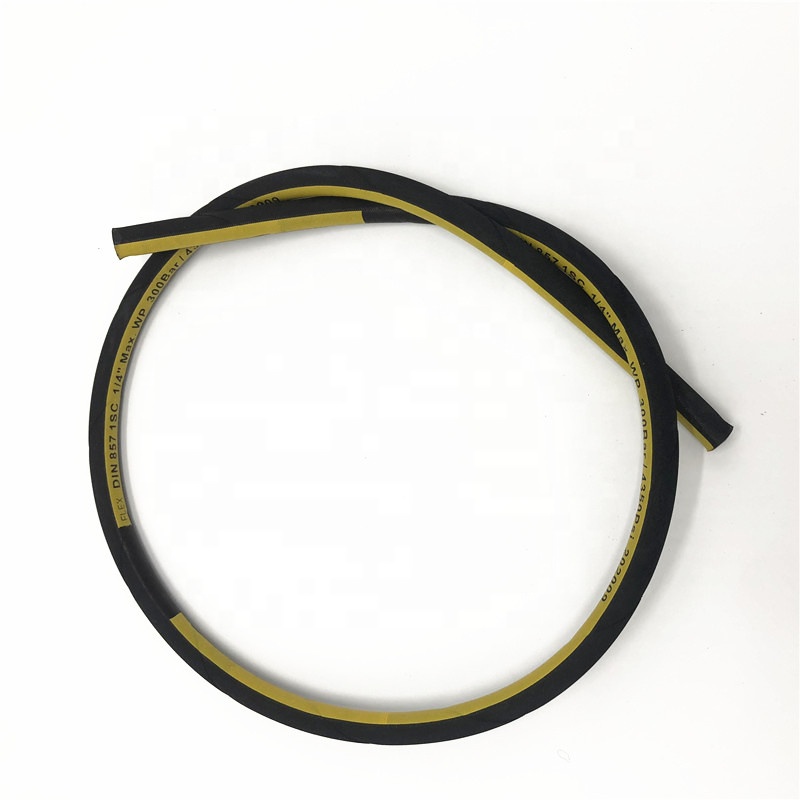
OEM LPG hose construction typically involves multiple layers, each contributing to specific performance characteristics. The inner tube, which directly contacts the LPG, is generally composed of a specialized synthetic rubber compound, often a blend of nitrile rubber (NBR) and polychloroprene rubber (CR), also known as Neoprene. NBR provides excellent resistance to aliphatic hydrocarbons like propane and butane (components of LPG), while CR enhances resistance to weathering, ozone, and abrasion. The reinforcement layer is crucial for withstanding internal pressure and preventing hose collapse. This layer usually consists of high-tensile strength textile braiding, typically made from polyester or aramid fibers, providing dimensional stability and burst resistance. An outer cover, usually made of CR or ethylene propylene diene monomer (EPDM) rubber, protects the reinforcement layer from environmental factors like UV radiation, abrasion, and oil contamination. Manufacturing begins with the compounding of the rubber materials, followed by extrusion of the inner tube. The reinforcement braid is then applied, often using a helical braiding machine to ensure uniform coverage. Finally, the outer cover is extruded, and the hose undergoes vulcanization – a chemical process involving heat and pressure – to crosslink the rubber polymers, enhancing its strength, elasticity, and chemical resistance. Critical process parameters include extrusion temperature, braiding tension, and vulcanization time and temperature, all of which must be precisely controlled to ensure consistent product quality. The surface finish of the inner tube is also critical; it must be smooth to minimize friction and prevent LPG permeation. Post-production testing includes hydrostatic pressure testing, leak testing, and dimensional checks to verify compliance with specifications.
Performance & Engineering
The performance of OEM LPG hose is defined by several key engineering parameters. Burst pressure, the maximum pressure the hose can withstand before rupturing, is a critical safety parameter determined by the reinforcement layer and the rubber compound’s tensile strength. Working pressure, significantly lower than burst pressure, represents the maximum recommended operating pressure for sustained use. Elongation at break, measured during tensile testing, indicates the hose’s ability to stretch before failure. Permeation rate, the rate at which LPG molecules diffuse through the hose wall, is a crucial factor affecting fuel loss and potential environmental hazards. Temperature resistance is also critical, as LPG hoses are exposed to varying temperatures depending on the application. The hose must maintain its integrity and flexibility within a defined temperature range, typically -40°C to +70°C. Furthermore, resistance to oil and other chemicals commonly encountered in LPG systems is essential to prevent degradation and maintain long-term performance. Force analysis during hose assembly and operation must consider bending radius – a smaller bending radius increases stress on the hose wall and can lead to premature failure. Compliance with safety standards, such as those set by the Compressed Gas Association (CGA) and regional regulatory bodies, dictates the required performance levels and testing procedures. Furthermore, electrostatic dissipative (ESD) properties are often necessary to prevent static electricity build-up, minimizing the risk of ignition in flammable environments.
Technical Specifications
| Parameter | Unit | Typical Value | Test Standard |
|---|---|---|---|
| Working Pressure | bar | 20 | EN 1763 |
| Burst Pressure | bar | 80 | EN 1763 |
| Inner Diameter | mm | 12.7 | ASTM D1418 |
| Outer Diameter | mm | 19.0 | ASTM D1418 |
| Tensile Strength | MPa | 15 | ISO 6892-1 |
| Elongation at Break | % | 300 | ISO 6892-1 |
Failure Mode & Maintenance
OEM LPG hose is susceptible to several failure modes. Permeation, as previously discussed, can lead to fuel loss and, in confined spaces, can create a hazardous atmosphere. Cracking, both surface and internal, can occur due to UV exposure, ozone attack, or repeated flexing. Hardening and embrittlement of the rubber compound due to age and temperature extremes reduces flexibility and increases the risk of cracking. Delamination, the separation of the layers, typically occurs due to inadequate bonding during the manufacturing process or exposure to aggressive chemicals. Kinking, caused by excessive bending, can create localized stress concentrations and lead to rupture. Abrasion from external contact can damage the outer cover and expose the reinforcement layer. Regular visual inspection is crucial for identifying these failure modes. Inspect hoses for cracks, blisters, abrasions, and signs of hardening. Pressure testing should be performed periodically to verify the integrity of the hose. Avoid exposing hoses to extreme temperatures, direct sunlight, and contact with incompatible chemicals. Proper storage is also essential; hoses should be stored in a cool, dry, and dark environment, away from ozone sources. When replacing a hose, always use a direct replacement with identical specifications and ensure proper installation using appropriate fittings and clamps. Any hose showing signs of damage or exceeding its service life should be replaced immediately.
Industry FAQ
Q: What is the impact of LPG composition variations on hose material selection?
A: LPG composition varies regionally, impacting propane-to-butane ratios. Higher propane content generally requires a more robust NBR blend in the inner tube due to propane’s greater solvent effect on some rubber compounds. Butane, while less aggressive, still necessitates compatibility testing. Suppliers should provide material compatibility data for specific LPG blends.
Q: How do different reinforcement materials (polyester vs. aramid) affect hose performance?
A: Aramid fibers offer higher tensile strength and temperature resistance compared to polyester, resulting in a higher burst pressure and improved performance in demanding applications. However, aramid is typically more expensive and can be more susceptible to UV degradation if not properly protected by the outer cover.
Q: What are the key considerations for selecting hose fittings?
A: Fittings must be compatible with the hose material and rated for the operating pressure and temperature. Improper fitting selection can lead to leaks and hose failure. Crimping or clamping methods should be carefully controlled to avoid damaging the hose wall. Material compatibility between the fitting and LPG is also crucial to prevent corrosion.
Q: How does hose permeation affect LPG systems and what can be done to minimize it?
A: Permeation leads to fuel loss, environmental concerns, and potential safety hazards. Minimizing permeation requires selecting a hose with a low permeation rate, utilizing a high-quality inner tube compound, and ensuring proper hose construction. Thicker hose walls also reduce permeation but increase weight and flexibility concerns.
Q: What is the recommended service life for an OEM LPG hose?
A: The recommended service life varies depending on application, exposure conditions, and regulatory requirements. Typically, LPG hoses have a service life of 5-10 years, but regular inspection and adherence to maintenance schedules are essential. Hoses used in harsh environments or subjected to frequent flexing should be replaced more often.
Conclusion
OEM LPG hose is a critical safety component demanding meticulous attention to material science, manufacturing processes, and performance engineering. The selection of appropriate rubber compounds, reinforcement materials, and manufacturing controls is paramount to ensuring leak-proof operation, resisting degradation, and meeting stringent industry standards. Understanding potential failure modes and implementing preventative maintenance procedures are essential for maximizing service life and mitigating risks.
Looking forward, advancements in polymer technology and manufacturing techniques will likely lead to LPG hoses with even lower permeation rates, improved temperature resistance, and extended service lives. Increased focus on sustainable materials and environmentally friendly manufacturing processes will also be a key trend in the industry. Continued adherence to international standards and rigorous quality control practices will remain critical to ensuring the safe and reliable operation of LPG systems.

