
Apr . 01, 2024 17:55 Back to list
oem lpg gas hose Performance Analysis
Introduction
OEM LPG gas hoses are critical components in the safe and efficient distribution of liquefied petroleum gas for a wide range of applications, including residential heating, cooking, industrial processes, and vehicle fuel systems. This technical guide provides an in-depth examination of these hoses, covering material science, manufacturing processes, performance characteristics, potential failure modes, and relevant industry standards. Their primary function is to convey LPG under pressure while maintaining leak-proof integrity. Unlike general-purpose rubber hoses, LPG hoses require specific formulations to resist degradation from LPG's unique chemical properties and must meet stringent safety regulations due to the flammable nature of the gas. The hose assembly includes the hose itself, along with end fittings designed for secure connection to gas appliances and supply sources. The industry faces consistent pressure to reduce material costs while simultaneously improving hose durability, ensuring compatibility with evolving LPG compositions, and complying with increasingly strict regulatory requirements regarding gas leakage and safety performance.
Material Science & Manufacturing
LPG gas hoses are typically constructed from a multi-layered composite material. The inner layer, which directly contacts the LPG, is usually a specialized blend of synthetic rubbers such as nitrile rubber (NBR) or chloroprene rubber (CR), specifically formulated for LPG resistance. NBR offers excellent resistance to oils and fuels, while CR provides superior resistance to ozone and weathering. The intermediate layer often consists of high-tensile textile reinforcement – typically polyester or aramid fibers – embedded in rubber. This layer provides the hose with its strength and ability to withstand internal pressure. The outer cover is generally made from ethylene propylene diene monomer (EPDM) rubber, chosen for its excellent resistance to weathering, ozone, and UV radiation. The specific gravity of the rubber compounds ranges from 1.1 to 1.3 g/cm³.
Manufacturing involves several critical steps. The inner tube is extruded through a die to achieve the desired diameter and wall thickness. The reinforcement layer is then spirally wrapped or braided around the inner tube. This is followed by the extrusion of the outer cover. Following extrusion, the hose undergoes a vulcanization process, a chemical process involving heat and pressure, which cross-links the rubber polymers, enhancing the hose’s strength, elasticity, and resistance to degradation. Critical parameters during vulcanization include temperature (typically 140-160°C), pressure (typically 10-15 bar), and curing time (typically 20-30 minutes). End fittings, typically made of brass or stainless steel, are attached using crimping techniques. The crimp must be precisely controlled to ensure a leak-proof seal without damaging the hose. Quality control includes hydrostatic pressure testing (testing to 1.5x working pressure for a specified duration) and leak testing using inert gases.

Performance & Engineering
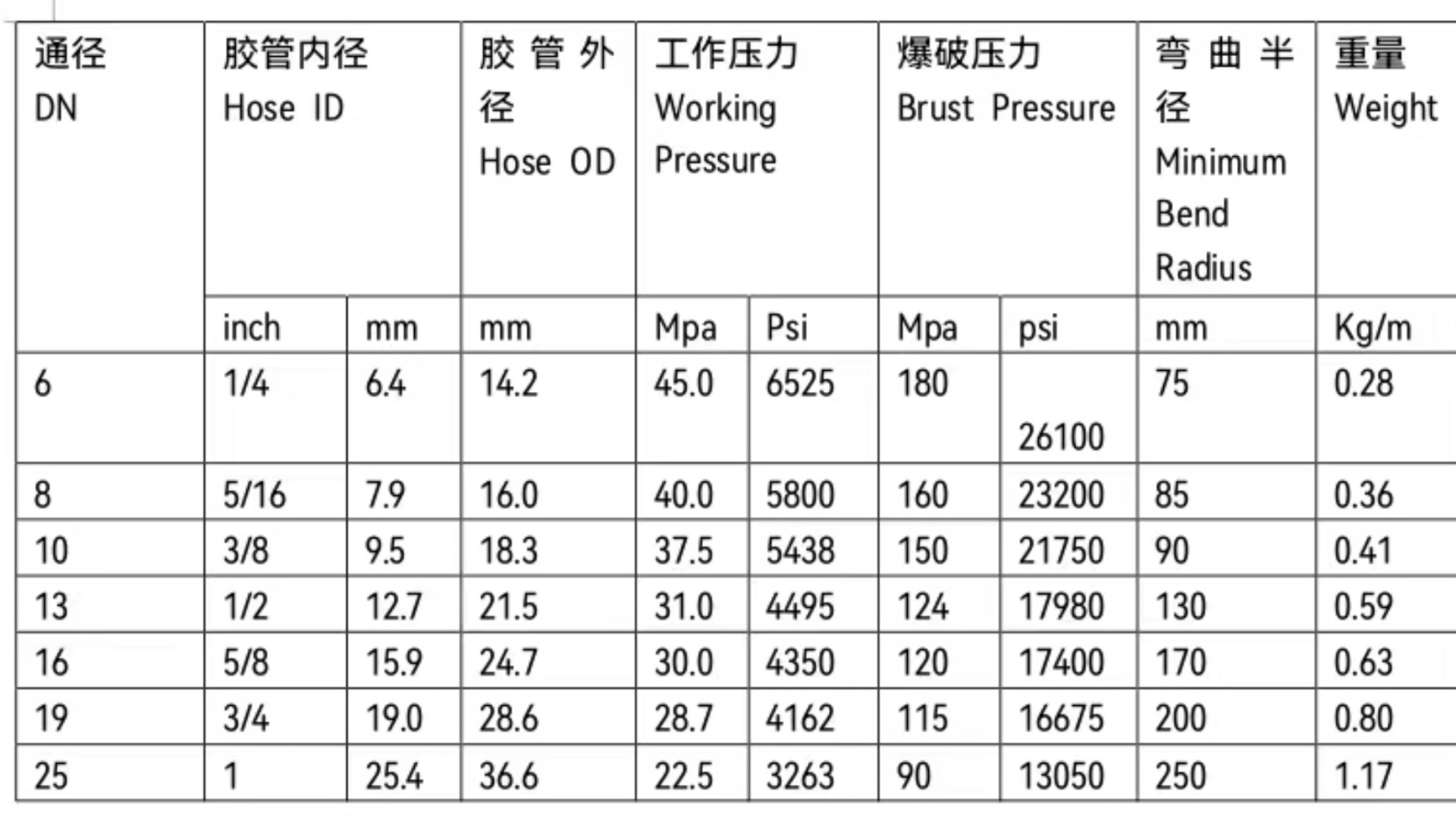
The performance of an LPG gas hose is governed by several key engineering considerations. Burst pressure is a critical parameter, typically exceeding the working pressure by a significant margin (a safety factor of 4:1 is common). Tensile strength, determined through standardized tests like ASTM D412, ensures the hose can withstand the mechanical stresses of installation and use. Elongation at break indicates the hose’s flexibility and ability to absorb shock. Permeation rates of LPG through the hose wall must be minimized to prevent gas leakage and ensure safety. This is especially critical for longer hoses and higher operating pressures. The hose must also exhibit resistance to kinking and crushing.
Environmental resistance is paramount. Prolonged exposure to UV radiation, ozone, and extreme temperatures can degrade the rubber compounds. Therefore, materials are selected and formulated to withstand these conditions. Compatibility with different LPG blends is also vital, as LPG composition can vary regionally. Hose assemblies must comply with relevant safety standards (detailed in the standards section), which specify requirements for pressure testing, leakage rates, and material properties. Force analysis during crimping of end fittings is crucial to ensure a secure connection without damaging the hose reinforcement layers. Finite element analysis (FEA) can be used to optimize crimp parameters and predict long-term performance.
Technical Specifications
| Parameter | Unit | Typical Value | Test Standard |
|---|---|---|---|
| Working Pressure | bar | 16 | EN 1763 |
| Burst Pressure | bar | 64 | EN 1763 |
| Tensile Strength | MPa | 15 | ASTM D412 |
| Elongation at Break | % | 300 | ASTM D412 |
| Permeation Rate (LPG) | cm³/m²/day | < 5 | ISO 14877 |
| Operating Temperature Range | °C | -20 to +60 | EN 1763 |
Failure Mode & Maintenance
LPG gas hoses are susceptible to several failure modes. Fatigue cracking can occur due to repeated flexing and pressure cycles, particularly near the end fittings. Delamination of the hose layers can result from improper bonding during manufacturing or exposure to harsh environments. Rubber degradation due to ozone, UV radiation, and chemical attack can lead to embrittlement and cracking. Permeation of LPG can cause swelling and weakening of the rubber compounds over time. Crimping failure, such as loosening or corrosion of the crimp sleeve, can result in gas leakage. Internal pressure exceeding the working pressure is a critical failure initiator, potentially causing catastrophic rupture.
Preventive maintenance is crucial. Regular visual inspections should be conducted to identify signs of cracking, swelling, or delamination. Leak testing with a soapy water solution can detect small leaks. Hoses should be replaced at recommended intervals (typically 5-10 years, depending on usage and environmental conditions) or if any signs of damage are observed. Avoid sharp bends and kinks during installation and use. Protect hoses from direct sunlight and extreme temperatures. Store hoses in a cool, dry place when not in use. Ensure that end fittings are properly tightened and free from corrosion. Avoid using abrasive cleaners or solvents on the hose surface, as these can damage the rubber compounds.
Industry FAQ
Q: What is the significance of the ‘EN 1763’ standard for LPG hoses?
A: EN 1763 is a European standard that specifies the requirements for LPG hoses used in various applications. It covers aspects such as material properties, construction, pressure testing, leakage rates, and marking requirements. Compliance with EN 1763 ensures that the hose meets a defined level of safety and performance.
Q: How does LPG composition affect hose material selection?
A: LPG composition can vary regionally, with differing percentages of propane and butane. Butane, for example, has a higher vapor pressure than propane. The hose material must be compatible with the specific LPG blend to prevent swelling, degradation, or permeation. NBR is generally suitable for a wider range of LPG compositions, while CR may be more appropriate for specific applications.
Q: What are the common causes of hose crimp failure?
A: Common causes include improper crimping during assembly, corrosion of the crimp sleeve (especially in marine environments), and fatigue failure due to repeated flexing. Insufficient crimp strength can lead to gas leakage, while excessive crimp strength can damage the hose reinforcement layers.
Q: How can permeation rates be minimized?
A: Minimizing permeation rates requires selecting rubber compounds with low gas permeability and ensuring a tight, homogenous material structure. Thicker hose walls and multi-layered constructions can also reduce permeation. Regular inspection for swelling can indicate increasing permeation.
Q: What is the impact of UV exposure on LPG hose lifespan?
A: Prolonged UV exposure degrades the outer rubber layer (typically EPDM), causing it to become brittle and crack. This weakens the hose and increases the risk of leakage. Using UV-stabilized rubber compounds and protecting the hose from direct sunlight can significantly extend its lifespan.
Conclusion
OEM LPG gas hoses are engineered safety-critical components demanding careful material selection, precise manufacturing control, and rigorous quality assurance. Their performance is dictated by a complex interplay of material properties, pressure resistance, environmental durability, and adherence to stringent international standards. The ongoing evolution of LPG compositions and increasingly demanding safety regulations necessitate continuous innovation in hose design and materials.
Future advancements are likely to focus on developing more durable and chemically resistant rubber compounds, improving crimping techniques, and implementing advanced monitoring systems to detect leaks and predict hose failure. A comprehensive understanding of the failure modes and preventative maintenance practices detailed in this guide is essential for ensuring the safe and reliable operation of LPG gas systems. Ongoing adherence to, and updates in, relevant industry standards will remain paramount for maintaining a high level of safety and performance.