
Apr . 01, 2024 17:55 Back to list
oem hydraulic rubber hose Performance Analysis
Introduction
OEM hydraulic rubber hose constitutes a critical component in fluid power systems across diverse industrial applications, including construction equipment, agricultural machinery, material handling, and manufacturing. Distinguished from standard hydraulic hose by its customization to specific equipment requirements and performance parameters, OEM hose is integrated directly into a machine’s design, rather than being a field-replaceable item. Its technical position within the industry chain resides between the raw material suppliers (rubber compounds, reinforcement materials) and the equipment manufacturers. Core performance characteristics are defined by working pressure, burst pressure, temperature range, fluid compatibility, and bend radius. The selection of appropriate OEM hose necessitates a thorough understanding of these parameters, alongside operational demands, to ensure system reliability and safety. A key pain point in the industry centers around consistently achieving specified dimensional tolerances and maintaining stringent quality control throughout the manufacturing process, coupled with the increasing demand for specialized hose designed for bio-based hydraulic fluids.
Material Science & Manufacturing
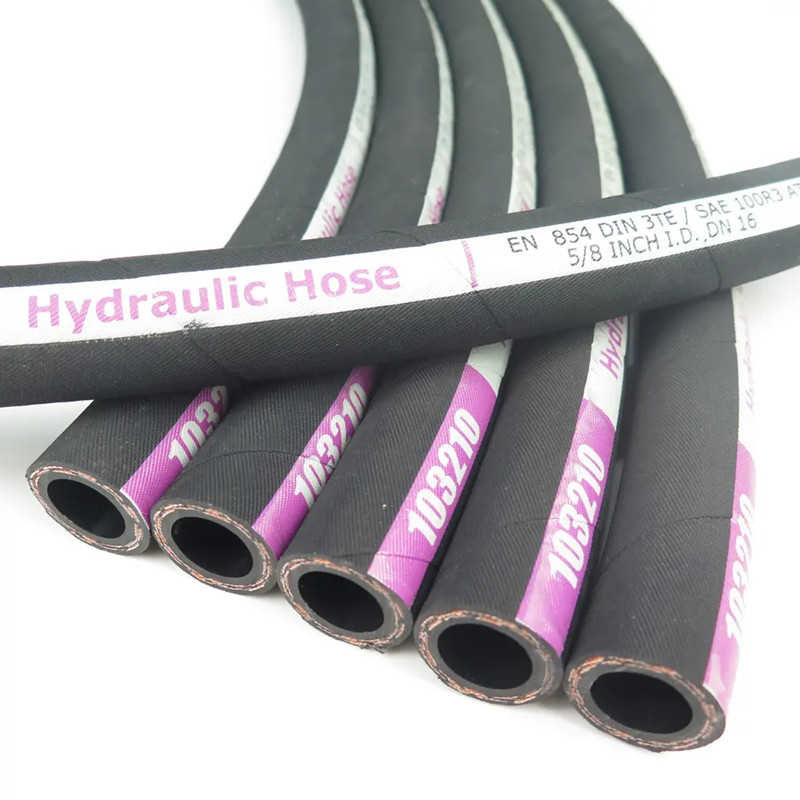
The core material of hydraulic rubber hose is a synthetic rubber compound, most commonly nitrile rubber (NBR) due to its excellent resistance to petroleum-based hydraulic fluids. Other compounds, such as ethylene propylene diene monomer (EPDM) for phosphate ester fluids or fluorocarbon (FKM) for high-temperature and aggressive chemical environments, are also utilized. Reinforcement layers, typically comprised of multiple plies of high-tensile steel wire, provide the hose with its pressure-withstanding capability. Fiber braid reinforcements (aramid, polyester) offer flexibility and kink resistance, often used in conjunction with steel wire. The manufacturing process generally involves several stages: inner tube extrusion, reinforcement layering (spiraling or braiding), outer cover extrusion, and final curing. Parameter control during extrusion is crucial for maintaining consistent wall thickness and dimensional accuracy. Curing, a vulcanization process, crosslinks the rubber molecules, enhancing its elasticity, strength, and resistance to degradation. Specific process controls, including temperature, pressure, and time, must be meticulously monitored to achieve optimal material properties. Chemical compatibility testing of the rubber compound with the target fluid is paramount to prevent swelling, softening, or cracking, directly impacting hose lifespan and performance. The presence of plasticizers and antioxidants within the rubber matrix is also crucial for longevity.
Performance & Engineering
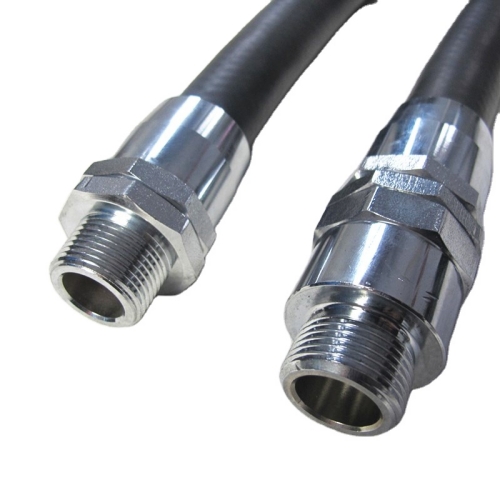
Hydraulic hose performance is fundamentally dictated by its ability to withstand internal pressure without failure. Force analysis involves calculating hoop stress within the hose wall based on operating pressure and diameter, ensuring the reinforcement layers can adequately resist tensile forces. Environmental resistance encompasses assessing the hose's susceptibility to temperature extremes, UV exposure, ozone cracking, and abrasion. Temperature range is a critical parameter, as rubber compounds exhibit varying performance characteristics with temperature fluctuations. Flex fatigue, resulting from repeated bending and unbending, is a common failure mode, particularly in applications with tight bend radii. Compliance requirements, such as those outlined by SAE International (SAE J517, SAE J1926) and EN standards (EN 853, EN 857), define minimum performance criteria for hydraulic hose, including burst pressure, impulse pressure, and temperature limitations. Functional implementation requires consideration of hose length, end fitting selection (flanges, crimped fittings), and routing to avoid excessive stress concentrations. Correct end fitting attachment is paramount; improper crimping can lead to premature failure. Fluid velocity within the hose also influences performance, as excessive velocity can generate heat and erosion.
Technical Specifications
| Parameter | Unit | Typical Value (NBR, Steel Wire Reinforced) | Testing Standard |
|---|---|---|---|
| Working Pressure | MPa | 20 | SAE J517 |
| Burst Pressure | MPa | 80 | SAE J517 |
| Temperature Range | °C | -40 to +100 | SAE J517 |
| Minimum Bend Radius | mm | 4D (D = Hose Inner Diameter) | SAE J517 |
| Hose Inner Diameter | mm | 6 - 51 | Manufacturer Specification |
| Reinforcement Type | - | Spiral Steel Wire | Manufacturer Specification |
Failure Mode & Maintenance
Common failure modes for OEM hydraulic rubber hose include fatigue cracking (due to repeated bending or pressure cycling), pinhole leaks (caused by corrosion or abrasion), and burst failure (resulting from exceeding the working pressure). Delamination, the separation of reinforcement layers from the rubber matrix, can occur due to improper bonding or exposure to aggressive fluids. Oxidation, particularly in unsaturated rubber compounds, leads to hardening and cracking over time. Internal erosion, caused by particulate contamination in the hydraulic fluid, can gradually wear away the hose liner. External abrasion from contact with surrounding components also contributes to premature failure. Maintenance practices should include regular visual inspections for cracks, bulges, or leaks. Hose should be replaced if any signs of damage are detected. Proper fluid filtration is crucial to minimize internal erosion. Avoid sharp bends and kinks during installation and operation. Ensure correct end fitting attachment and periodic torque checks. Storing hoses in a cool, dry, and dark environment can prevent premature degradation. Pressure testing, following appropriate safety protocols, can identify potential weaknesses before catastrophic failure.
Industry FAQ
Q: What is the impact of fluid incompatibility on hose lifespan?
A: Fluid incompatibility can drastically reduce hose lifespan. Exposure to fluids not compatible with the rubber compound leads to swelling, softening, or cracking, compromising the hose's structural integrity. This can result in leaks, reduced pressure capacity, and ultimately, catastrophic failure. Always verify fluid compatibility before selecting a hose.
Q: How does temperature affect hydraulic hose performance?
A: Temperature significantly influences hose performance. High temperatures accelerate rubber degradation and reduce its elasticity, decreasing burst pressure and increasing the risk of cracking. Low temperatures can cause rubber to become stiff and brittle, making it more susceptible to damage. Operating within the specified temperature range is critical.
Q: What are the key differences between spiral and braided hose reinforcement?
A: Spiral reinforcement provides higher pressure ratings and kink resistance but less flexibility. Braided reinforcement offers greater flexibility but typically lower pressure capacity. The choice depends on the application's specific requirements, considering pressure, bend radius, and dynamic stress.
Q: What is the role of end fittings in hose reliability?
A: End fittings are crucial for hose reliability. Improper crimping or incorrect fitting selection can create stress concentrations, leading to premature failure. Fittings must be compatible with the hose and the hydraulic system, and the crimp must be within the manufacturer's specified tolerances.
Q: How important is preventative maintenance for hydraulic hoses?
A: Preventative maintenance is extremely important. Regular visual inspections, leak checks, and fluid filtration are essential for identifying potential problems before they escalate. Replacing hoses proactively based on service life recommendations reduces the risk of unexpected downtime and costly repairs.
Conclusion
OEM hydraulic rubber hose represents a highly engineered component critical to the safe and reliable operation of hydraulic systems. The selection process necessitates a comprehensive understanding of material science, manufacturing processes, performance characteristics, and potential failure modes. Achieving optimal performance and longevity requires meticulous attention to detail, from material compatibility to proper installation and preventative maintenance.
The industry is trending towards higher performance materials, improved manufacturing control, and increased emphasis on preventative maintenance programs. Further advancements in rubber compound technology, particularly those focused on enhancing resistance to bio-based hydraulic fluids and extreme temperature variations, will continue to drive innovation in this critical area. Adherence to recognized industry standards and best practices remains paramount for ensuring the integrity and safety of hydraulic systems.