
Apr . 01, 2024 17:55 Back to list
oem hydraulic hose assembly Performance Engineering
Introduction
OEM hydraulic hose assemblies represent a critical component within fluid power systems, serving as the conduit for transmitting hydraulic fluid to actuate machinery across diverse industrial sectors. Unlike standardized hose products, OEM assemblies are specifically engineered and manufactured to meet the exacting specifications of original equipment manufacturers, often integrated directly into complex machine designs. Their technical position in the industry chain is firmly situated between raw material suppliers (rubber, steel, thermoplastic polymers) and the final equipment producer. Core performance characteristics center on pressure rating, temperature resistance, fluid compatibility, and burst/impulse strength. The increasing demands for higher operating pressures in modern hydraulic systems and the need for specialized fluid compatibility (bio-based fluids, fire-resistant fluids) are key drivers for advancements in OEM hose assembly technology. A significant industry pain point lies in ensuring consistent quality control across varied production volumes and managing the complexities of custom fitting integration.
Material Science & Manufacturing
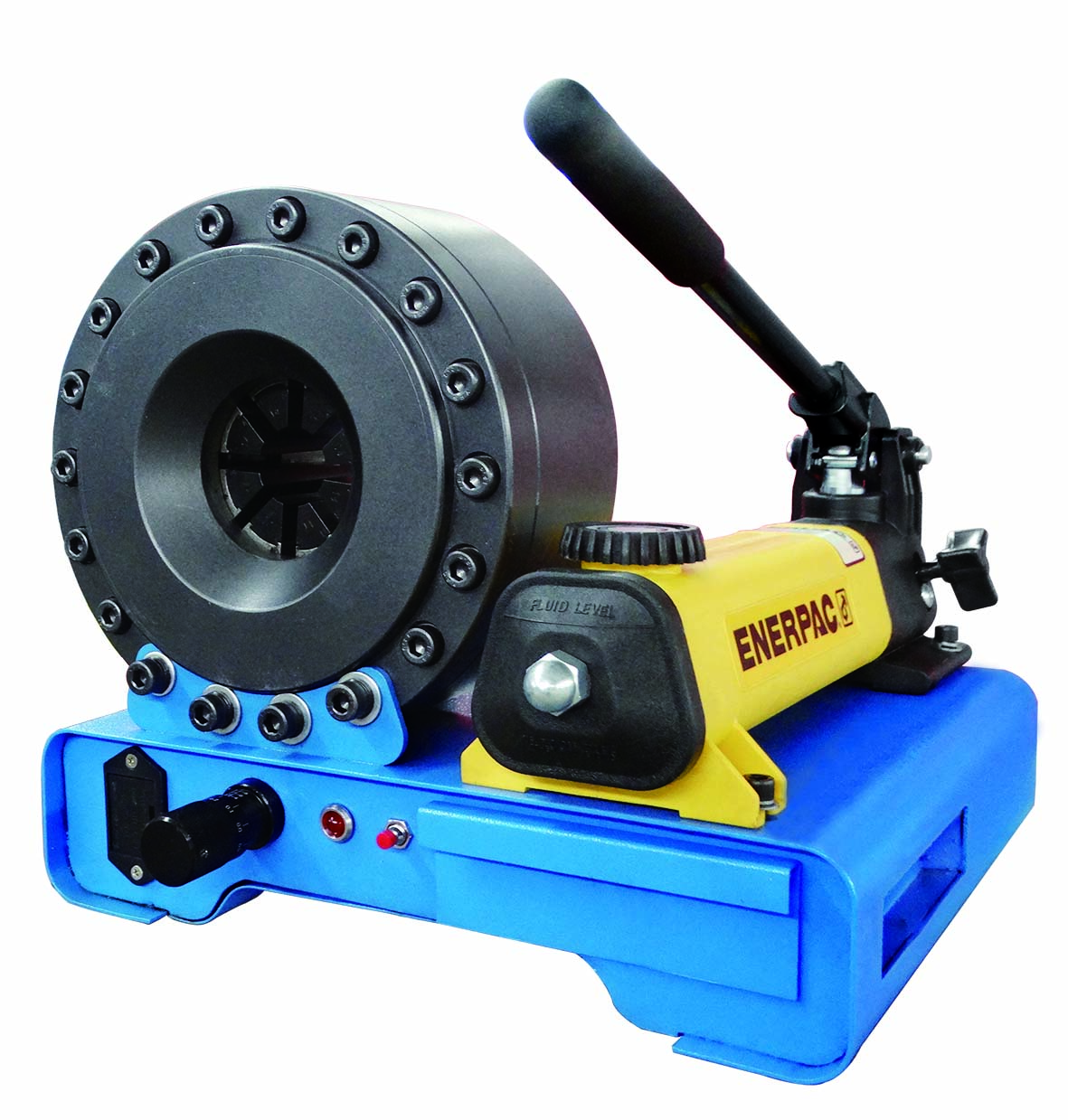
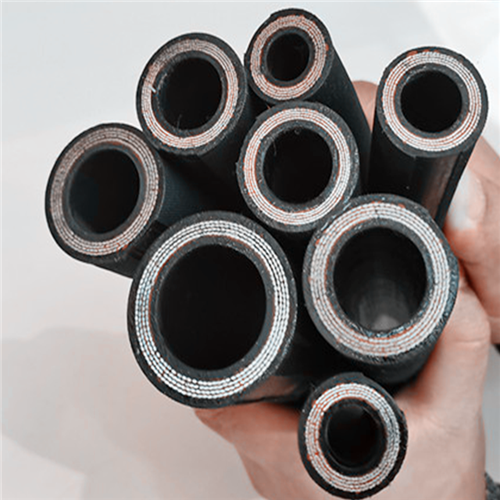
The construction of OEM hydraulic hose assemblies typically involves several layers. The inner tube, critical for fluid compatibility, is commonly composed of synthetic rubbers like nitrile (NBR), ethylene propylene diene monomer (EPDM), or fluoropolymers (FKM/Viton) depending on the fluid being conveyed. NBR offers good resistance to petroleum-based oils, EPDM excels with phosphate ester fluids, and FKM provides exceptional chemical and temperature resistance. Reinforcement layers, providing the pressure-containing strength, are typically constructed of high-tensile steel wire (single or multiple braids) or synthetic fiber (aramid, rayon). The outer cover, providing environmental protection, is commonly a synthetic rubber blend designed for abrasion resistance, ozone resistance, and UV stability. Manufacturing processes vary based on hose type and complexity. For rubber hoses, extrusion is used to form the inner tube and outer cover, followed by spiraling or braiding of reinforcement layers. Thermoplastic hoses are often produced through co-extrusion, bonding multiple layers simultaneously. Critical parameters during manufacturing include rubber compound mixing ratios, braiding angle and tension, extrusion temperature and speed, and vulcanization (curing) time and temperature for rubber hoses. Maintaining precise control over these parameters is essential for achieving consistent mechanical properties and preventing premature failure. Fitting attachment, typically via crimping, requires precise die selection and pressure control to ensure a secure and leak-proof connection without damaging the hose reinforcement.
Performance & Engineering
Performance of OEM hydraulic hose assemblies is heavily influenced by force analysis under operating conditions. Burst pressure is a primary specification, determined through hydrostatic testing and calculated based on reinforcement layer strength and hose dimensions. Impulse pressure, representing cyclic pressure fluctuations, is a critical consideration in dynamic applications, requiring fatigue resistance in the hose and fittings. Finite Element Analysis (FEA) is frequently employed to model stress distribution within the hose assembly under various loading scenarios, optimizing reinforcement configuration and fitting design. Environmental resistance encompasses temperature extremes, exposure to UV radiation, ozone, and corrosive chemicals. Material selection must account for these factors. Compliance requirements are stringent, often dictated by industry-specific standards (SAE J517, DIN EN 853, ISO 6897). Functional implementation often necessitates tight bend radii, resistance to kinking, and the ability to withstand vibration. The selection of appropriate fittings – straight, 90-degree, 45-degree, swivel – is critical for ensuring proper flow and minimizing pressure drop. A key engineering challenge is mitigating hose twist during installation and operation, which can lead to internal damage and premature failure. Proper hose routing and support are crucial for maximizing service life.
Technical Specifications
| Parameter | Unit | Specification Range (Typical) | Testing Standard |
|---|---|---|---|
| Working Pressure | MPa | 10 - 420 | SAE J517 / ISO 6897 |
| Burst Pressure | MPa | 3x Working Pressure (minimum) | SAE J517 / ISO 6897 |
| Temperature Range | °C | -40 to +100 (NBR); -40 to +150 (EPDM); -30 to +200 (FKM) | SAE J517 / ISO 6897 |
| Reinforcement Type | - | Single Wire Braid, Double Wire Braid, Spiral Wire Reinforcement | SAE J517 / ISO 6897 |
| Inner Tube Material | - | NBR, EPDM, FKM, PTFE | SAE J517 / ISO 6897 |
| Outer Cover Material | - | Synthetic Rubber (e.g., SBR, CR) | SAE J517 / ISO 6897 |
Failure Mode & Maintenance
Failure modes in OEM hydraulic hose assemblies are diverse. Fatigue cracking, particularly in the reinforcement layers, is common in applications with cyclic pressure and vibration. This is often initiated at stress concentration points, such as near fittings. Delamination between hose layers can occur due to improper bonding during manufacturing or exposure to harsh chemicals. Degradation of the inner tube material can result from incompatible fluids, leading to swelling, softening, and eventual failure. Oxidation of the rubber compounds, especially at elevated temperatures, causes embrittlement and loss of flexibility. External damage, such as abrasion, cuts, or impact, can compromise hose integrity. Fitting failure modes include thread stripping, corrosion, and leakage at the crimp connection. Maintenance should include regular visual inspection for signs of damage (cracks, abrasion, swelling), leak checks, and proper hose routing and support. Periodic pressure testing can identify potential weaknesses. Replace hoses exhibiting any signs of degradation or damage. Proper storage conditions (cool, dry, dark) are crucial for preventing premature aging. When replacing assemblies, ensure the new hose and fittings are compatible with the hydraulic fluid and operating conditions.
Industry FAQ
Q: What is the impact of hose layline markings on traceability and quality control?
A: Layline markings, typically including manufacturer identification, hose type, working pressure, and date of manufacture, are critical for traceability. They enable identification of the hose in case of failure, allowing for investigation of potential manufacturing defects or material issues. Proper layline marking is a fundamental aspect of quality control and is often mandated by industry standards.
Q: How does fitting material (e.g., carbon steel, stainless steel, brass) affect corrosion resistance and compatibility?
A: Fitting material selection significantly impacts corrosion resistance. Carbon steel is susceptible to corrosion, particularly in humid environments or with corrosive fluids. Stainless steel offers superior corrosion resistance but can be more expensive. Brass is less corrosion-resistant than stainless steel but provides good ductility. Compatibility with the hydraulic fluid is also crucial; certain fluids can react with specific fitting materials, leading to corrosion or contamination.
Q: What are the key considerations when selecting a hose assembly for high-temperature applications?
A: For high-temperature applications, the inner tube and outer cover materials must be specifically rated for the operating temperature. FKM (Viton) is often the preferred inner tube material due to its excellent heat resistance. The reinforcement layer should also be capable of withstanding elevated temperatures without significant loss of strength. Consider the potential for thermal expansion and contraction, and ensure adequate flexibility to prevent stress on the hose and fittings.
Q: How do I determine the appropriate hose end connection type (e.g., crimp, field attachable, flanged) for my application?
A: Crimp connections provide a secure and reliable seal, but require specialized tooling. Field attachable fittings offer flexibility for on-site assembly and repair, but may have lower pressure ratings. Flanged connections are suitable for high-pressure, high-temperature applications and allow for easy disassembly. The choice depends on the application’s pressure requirements, accessibility, and maintenance needs.
Q: What is the role of impulse pressure testing and how does it relate to hose service life?
A: Impulse pressure testing simulates the effects of pressure pulsations commonly encountered in hydraulic systems. It assesses the hose assembly's ability to withstand repeated pressure spikes without failure. Higher impulse pressure ratings generally indicate a longer service life, particularly in applications with significant pressure fluctuations. Failure to adequately account for impulse pressure can lead to premature hose failure and system downtime.
Conclusion
OEM hydraulic hose assemblies represent a sophisticated engineered product, demanding careful consideration of material science, manufacturing processes, and operational requirements. Achieving optimal performance and reliability necessitates a thorough understanding of fluid compatibility, pressure ratings, temperature limitations, and potential failure modes. Selecting the appropriate hose assembly requires a collaborative approach between the OEM and the hose supplier, ensuring that the final product meets the specific demands of the application.
Advancements in hose technology continue to focus on improving pressure capabilities, reducing weight, enhancing chemical resistance, and extending service life. The increasing adoption of Industry 4.0 principles, including sensor integration and predictive maintenance, will further optimize hose assembly performance and minimize unplanned downtime. Proper installation, maintenance, and regular inspection remain critical for maximizing the longevity and ensuring the safe operation of hydraulic systems.