
Apr . 01, 2024 17:55 Back to list
oem hydraulic hose and fitting Performance Analysis

Introduction
OEM hydraulic hose and fittings represent a critical component within fluid power systems across diverse industries, including construction, agriculture, manufacturing, and aerospace. These systems are not simply conduits for hydraulic fluid; they are engineered assemblies designed to reliably transmit force and motion. The 'OEM' designation signifies Original Equipment Manufacturer, meaning these components are often produced to precise specifications for integration into larger machines or systems. The performance of a hydraulic system is heavily reliant on the integrity of its hose and fitting components. Core performance characteristics include pressure capacity, burst pressure, temperature resistance, fluid compatibility, and resistance to abrasion and environmental degradation. Failures in these components can lead to costly downtime, safety hazards, and significant operational inefficiencies, making understanding their material science, manufacturing processes, and failure modes paramount.
Material Science & Manufacturing
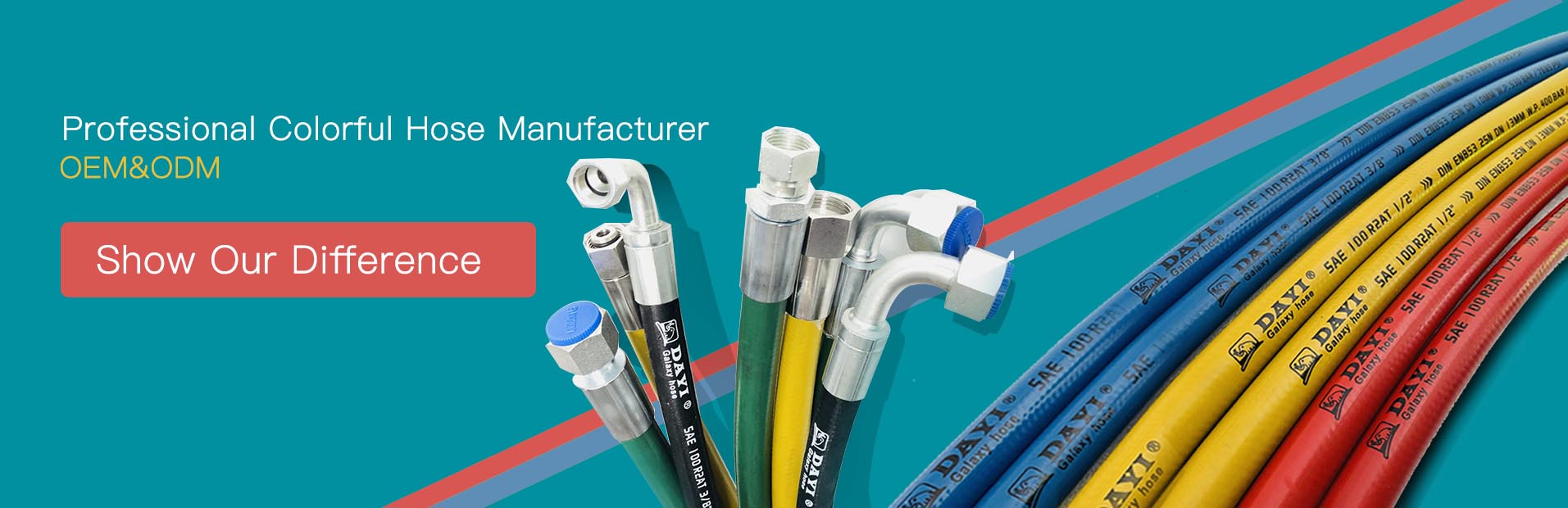
The construction of OEM hydraulic hoses and fittings relies heavily on a combination of materials chosen for their specific properties. Hoses commonly utilize an inner tube composed of synthetic rubbers like nitrile (NBR), ethylene propylene diene monomer (EPDM), or fluorocarbon (FKM – Viton) to provide fluid compatibility and flexibility. NBR is generally suitable for petroleum-based fluids, EPDM for phosphate ester fluids and high-temperature water, and FKM for aggressive chemicals and high temperatures. Reinforcement layers, typically braided from high-tensile steel wire or synthetic fibers like aramid, provide the hose’s pressure-bearing capacity. The outer cover is usually made of abrasion-resistant synthetic rubber, such as chloroprene (CR), to protect the reinforcement layers. Fittings are typically manufactured from carbon steel, alloy steel, or stainless steel, selected based on strength, corrosion resistance, and fluid compatibility. Manufacturing processes vary depending on the component. Hose production involves extrusion of the inner tube and cover, followed by winding or braiding of the reinforcement layers, and final curing. Fittings are commonly produced via forging, machining, and heat treatment. Key parameter control includes maintaining precise rubber compound formulations, ensuring correct wire tension during braiding, and implementing rigorous quality control checks for dimensional accuracy and material defects. Post-processing steps like pressure testing and leak testing are vital for ensuring performance and safety.
Performance & Engineering
Hydraulic hose and fitting performance is fundamentally governed by principles of fluid mechanics and material strength. Force analysis focuses on determining the hoop stress within the hose wall under internal pressure. The reinforcement layer must withstand this stress to prevent burst failure. Burst pressure is a critical specification, typically exceeding the working pressure by a significant safety factor (e.g., 4:1). Environmental resistance is paramount; exposure to extreme temperatures, UV radiation, ozone, and corrosive fluids can degrade the rubber compounds and metal components. Compliance requirements are stringent, dictated by industry standards (see footer). Specifically, hoses must meet standards for pressure rating, temperature range, and fluid compatibility. Engineering considerations include minimizing pressure drop along the hose length, which is influenced by hose diameter and fluid viscosity. Fittings must provide a leak-free seal, achieved through precision machining of mating surfaces and the use of appropriate sealing materials like O-rings or gaskets. Hose assembly, including crimping, is a critical step. Incorrect crimping can lead to premature failure due to over- or under-compression of the hose reinforcement.
Technical Specifications
| Parameter | Unit | Typical Value (NBR Hose, Steel Wire Reinforcement) | Typical Value (FKM Hose, Stainless Steel Reinforcement) |
|---|---|---|---|
| Working Pressure | MPa | 20 | 35 |
| Burst Pressure | MPa | 80 | 140 |
| Temperature Range | °C | -40 to +100 | -20 to +200 |
| Inner Diameter | mm | 19 | 12 |
| Outer Diameter | mm | 28 | 18 |
| Minimum Bend Radius | mm | 150 | 80 |
Failure Mode & Maintenance
Hydraulic hose and fitting failures are often attributed to a combination of factors. Fatigue cracking, resulting from repeated pressure cycles, is a common failure mode, particularly in high-stress areas like the crimp sleeve. Delamination occurs when the reinforcement layers separate from the inner tube or outer cover, often due to thermal cycling or incompatible material combinations. Degradation of the rubber compound can occur due to exposure to UV radiation, ozone, or aggressive chemicals, leading to loss of flexibility and eventual cracking. Oxidation, especially at elevated temperatures, can cause the rubber to become brittle. Fitting failures can stem from corrosion, thread damage, or improper tightening. Maintenance is crucial for preventing premature failures. Regular visual inspections should be conducted to identify signs of cracking, abrasion, or swelling. Hose assemblies should be replaced if they exhibit any signs of damage. Proper fluid maintenance, including filtration, is essential to prevent contamination and abrasive wear. Crimping procedures should be verified regularly to ensure consistent and reliable connections. Periodic pressure testing can identify potential leaks or weaknesses before they lead to catastrophic failures.
Industry FAQ
Q: What is the impact of using the wrong fluid type with a hydraulic hose?
A: Using an incompatible fluid can severely compromise the hose’s lifespan and performance. Different fluids have varying chemical compositions. For example, using a petroleum-based fluid in a hose designed for phosphate ester fluids can cause the rubber to swell and degrade, leading to leaks and eventual failure. Always verify fluid compatibility with the hose’s inner tube material.
Q: How do I determine the appropriate hose reinforcement type for a given application?
A: Reinforcement type is dictated by the required working pressure and environmental conditions. Steel wire reinforcement provides high pressure capacity and abrasion resistance but is susceptible to corrosion. Synthetic fiber reinforcement (e.g., aramid) offers lighter weight and corrosion resistance but generally has lower pressure ratings. The specific application dictates the optimal balance of these properties.
Q: What are the common causes of hose twisting during installation and operation?
A: Hose twisting is a common issue that significantly reduces its service life. It occurs due to improper routing, tight bend radii, or rotational movement of connected equipment. Twisting introduces stress concentrations in the hose reinforcement, leading to premature fatigue failure. Proper hose routing and the use of swivel fittings can mitigate this issue.
Q: What are the best practices for storing hydraulic hoses to prevent degradation?
A: Hydraulic hoses should be stored in a cool, dry, and dark environment, away from direct sunlight, ozone sources, and extreme temperatures. They should be stored loosely coiled, avoiding sharp bends or kinks. Long-term storage may require periodic inspection and treatment with a rubber preservative.
Q: What safety precautions should be taken when disconnecting pressurized hydraulic hoses?
A: Disconnecting pressurized hydraulic hoses is extremely dangerous. Always depressurize the system completely before disconnecting any hoses. Wear appropriate personal protective equipment (PPE), including safety glasses and gloves. Use a designated bleed-off port to safely relieve pressure. Never attempt to quickly disconnect a pressurized hose, as this can result in fluid injection injuries.
Conclusion
OEM hydraulic hose and fittings are foundational elements in numerous industrial applications. Their performance is a direct reflection of careful material selection, precise manufacturing control, and adherence to stringent industry standards. Understanding the inherent failure modes – encompassing fatigue, degradation, and improper installation – is crucial for proactive maintenance and maximizing operational reliability. Choosing the correct hose and fitting for a specific application requires a thorough evaluation of pressure requirements, fluid compatibility, environmental conditions, and operational constraints.
Looking forward, advancements in hose and fitting technology will likely focus on developing lighter-weight materials, enhancing corrosion resistance, and integrating smart sensors for real-time condition monitoring. This trend towards predictive maintenance will enable operators to identify potential failures before they occur, reducing downtime and improving overall system efficiency. The continued evolution of standards and regulations will also drive innovation and ensure the safety and reliability of hydraulic systems.