
Apr . 01, 2024 17:55 Back to list
oem high pressure washing hose Performance Analysis

Introduction
OEM high-pressure washing hoses are engineered fluid conveyance systems critical to the performance of pressure washing equipment across diverse industrial and commercial applications. Positioned as a key component within the broader pressure washing system – encompassing pumps, nozzles, and wands – the hose’s primary function is to safely and efficiently transmit high-velocity water, often mixed with detergents or specialized cleaning agents. Core performance characteristics are defined by maximum working pressure (MWP), burst pressure, temperature resistance, and chemical compatibility. A failure in the hose directly impacts operational efficiency, poses safety risks, and results in downtime, making material selection and manufacturing quality paramount. The OEM market demands hoses tailored to specific equipment specifications, necessitating flexibility in length, fitting types, and reinforcement configurations. This guide provides a comprehensive technical overview of OEM high-pressure washing hoses, covering material science, manufacturing processes, performance parameters, failure modes, and relevant industry standards.
Material Science & Manufacturing
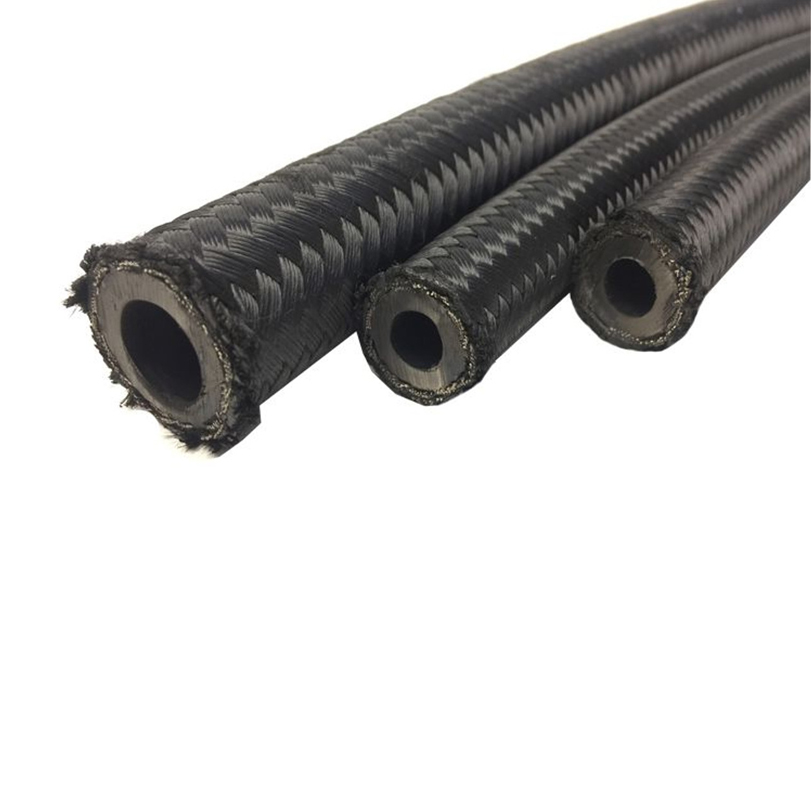
The construction of a high-pressure washing hose typically involves four key layers: the inner tube, reinforcement layers, an outer cover, and the fittings. The inner tube, responsible for fluid containment, is commonly composed of synthetic elastomers such as nitrile rubber (NBR), chlorinated polyethylene (CPE), or thermoplastic polyurethanes (TPU). NBR offers excellent oil resistance, crucial when detergents are employed, but exhibits limited resistance to UV exposure. CPE provides superior ozone and weather resistance, ideal for outdoor applications, but may have lower oil resistance. TPU offers a balance of both properties, alongside excellent abrasion resistance. Reinforcement layers, providing burst strength, are typically braided from high-tensile steel wire or synthetic fibers like aramid (Kevlar) or polyester. Steel wire offers the highest tensile strength and is preferred for the most demanding applications, but adds weight and requires corrosion protection. Aramid offers a high strength-to-weight ratio and excellent fatigue resistance, making it suitable for applications involving frequent flexing. The outer cover, protecting the reinforcement from abrasion and environmental degradation, is often constructed from a blend of synthetic rubbers like SBR, EPDM, or PVC. EPDM provides excellent weather resistance and ozone resistance, while PVC offers low cost and good abrasion resistance. Manufacturing processes include extrusion for the inner tube and outer cover, braiding for the reinforcement layers, and vulcanization to bond the layers together. Precise control of extrusion parameters (temperature, pressure, die geometry) is essential to ensure uniform wall thickness and dimensional accuracy. Braiding tension and angle directly impact burst strength. Vulcanization temperature and time must be optimized to achieve complete crosslinking of the rubber compounds, maximizing their mechanical properties and chemical resistance. Fitting attachment typically involves crimping or swaging, requiring precise tooling and quality control to ensure a secure and leak-proof connection.
Performance & Engineering
High-pressure washing hose performance is dictated by several critical engineering parameters. Burst pressure, typically four times the maximum working pressure (MWP), represents the catastrophic failure point of the hose. Tensile strength, measured in MPa or PSI, indicates the material’s resistance to stretching and breaking under load. Elongation at break, expressed as a percentage, describes the material’s ductility. Fatigue resistance, assessed through cyclic pressure testing, determines the hose’s ability to withstand repeated pressurization and depressurization without failure. Environmental resistance encompasses resistance to ozone, UV radiation, temperature extremes, and chemical attack. Specifically, permeation resistance is crucial to prevent the leakage of fluids through the hose wall, maintaining both performance and environmental compliance. Force analysis is essential to determine the stresses acting on the hose during operation, considering internal pressure, bending moments, and external loads. This analysis informs material selection and reinforcement design. Compliance requirements vary by region and application. For example, hoses used in food processing applications must comply with FDA regulations regarding material safety and leaching. Hoses used in hydraulic applications may require compliance with SAE standards. Proper hose routing and support are also crucial to minimize stress concentrations and prevent premature failure. Avoiding sharp bends, kinks, and abrasion is essential for maximizing service life. Furthermore, consideration should be given to thermal expansion and contraction effects, particularly in applications involving temperature fluctuations.
Technical Specifications
| Parameter | Unit | Typical Value (Industrial Grade) | Typical Value (Commercial Grade) |
|---|---|---|---|
| Maximum Working Pressure (MWP) | PSI | 5000 | 3000 |
| Burst Pressure | PSI | 20000 | 12000 |
| Inner Diameter | inches | 0.25 - 0.5 | 0.25 - 0.375 |
| Outer Diameter | inches | 0.5 - 0.75 | 0.4375 - 0.625 |
| Temperature Range | °F | -40 to 212 | -20 to 180 |
| Reinforcement Material | - | High-Tensile Steel Wire (Spiral or Braided) | Polyester or Aramid Braid |
Failure Mode & Maintenance
Common failure modes in high-pressure washing hoses include burst failure, pinhole leaks, cracking, and delamination. Burst failure, typically occurring due to exceeding the MWP or a pre-existing defect, is a catastrophic event. Pinhole leaks often originate in the inner tube due to chemical attack or abrasion. Cracking can occur in the outer cover due to UV exposure, ozone degradation, or mechanical stress. Delamination, the separation of layers, weakens the hose and can lead to burst failure. Fatigue cracking, initiated by repeated flexing and pressure cycling, typically occurs at the fitting crimp or within the reinforcement layers. Corrosion of steel wire reinforcement, especially in the presence of chlorides, reduces its tensile strength and promotes cracking. Oxidation of rubber compounds leads to embrittlement and loss of flexibility. Preventative maintenance is crucial to extend hose life. Regular visual inspections should be conducted to identify cracks, abrasions, and leaks. Hoses should be properly stored when not in use, avoiding direct sunlight and extreme temperatures. After each use, hoses should be thoroughly flushed with clean water to remove detergent residue and prevent corrosion. Kinks and sharp bends should be avoided during operation and storage. Hoses should be replaced immediately if any signs of damage are detected. Proper fitting installation and crimping are essential to ensure a secure and leak-proof connection. Regular torque checks on fittings are recommended. Consider utilizing hose guards or sleeves in areas prone to abrasion.
Industry FAQ
Q: What is the impact of water quality on hose lifespan?
A: Water quality significantly affects hose lifespan. Hard water contains minerals that can deposit on the inner tube, reducing flow and promoting corrosion. Chlorinated water can degrade certain rubber compounds. Abrasive particles in the water can cause abrasion of the inner tube. Using filtered water or implementing a water softening system can mitigate these issues.
Q: How does hose diameter affect performance?
A: Hose diameter directly impacts flow rate and pressure drop. A smaller diameter increases flow velocity but also increases pressure drop, reducing overall cleaning efficiency. A larger diameter reduces pressure drop but may require a more powerful pump. The optimal diameter depends on the pump capacity, nozzle size, and desired cleaning performance.
Q: What are the key differences between single-wire and multi-wire reinforced hoses?
A: Single-wire reinforced hoses typically offer higher burst pressure but are less flexible and more prone to kinking. Multi-wire reinforced hoses provide greater flexibility and fatigue resistance but may have slightly lower burst pressure. The choice depends on the application's specific requirements.
Q: What is the role of the outer cover in hose durability?
A: The outer cover provides crucial protection against abrasion, UV radiation, ozone degradation, and chemical attack. A durable outer cover extends the hose's service life and prevents premature failure. The specific rubber compound used in the outer cover should be selected based on the intended application environment.
Q: How important is proper hose coiling and storage?
A: Proper coiling and storage are critical. Kinking or tightly coiling a hose can create stress concentrations and lead to cracking or delamination. Hoses should be stored in a cool, dry, and dark location, away from direct sunlight and extreme temperatures. Coiling the hose with a large diameter loop minimizes stress and prolongs its life.
Conclusion
OEM high-pressure washing hoses are sophisticated engineered products demanding careful consideration of material science, manufacturing precision, and operational parameters. Understanding the interplay between inner tube composition, reinforcement structure, and outer cover properties is crucial for selecting the appropriate hose for a given application. Proactive maintenance, including regular inspections and adherence to recommended storage practices, are paramount to maximizing service life and minimizing downtime.
The ongoing trend towards increased cleaning efficiency and environmental sustainability will drive further innovation in hose design and materials. The development of lighter-weight, more durable, and chemically resistant hoses will be key to meeting these evolving demands. Continued adherence to industry standards and rigorous quality control measures will be essential for ensuring the safety and reliability of these critical components.