
Apr . 01, 2024 17:55 Back to list
oem high pressure washer hose Performance Analysis

Introduction
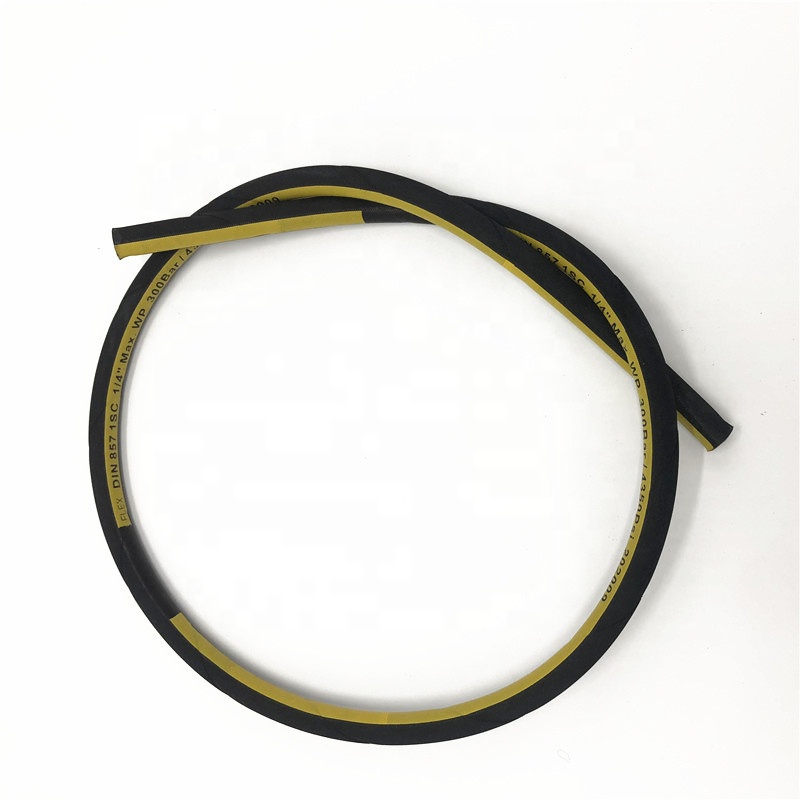
OEM high pressure washer hoses are critical components in fluid transfer systems used for high-pressure cleaning applications across diverse industries including automotive, construction, agriculture, and manufacturing. These hoses are engineered to safely and reliably convey water, often heated, at pressures ranging from 2000 PSI to over 6000 PSI. Unlike standard garden hoses, high pressure washer hoses necessitate a specialized construction optimized for burst strength, abrasion resistance, and chemical compatibility. Their technical position in the industry chain resides between the pump and the spray nozzle, acting as the critical conduit delivering the cleaning medium. Core performance characteristics are defined by working pressure, burst pressure, hose diameter, length, and reinforcement layer configuration. The industry faces ongoing challenges relating to hose longevity under demanding conditions, maintaining consistent internal diameter for optimal flow, and ensuring adherence to stringent safety regulations.
Material Science & Manufacturing
The primary material for OEM high pressure washer hoses is typically a synthetic rubber compound, most commonly a blend of thermoplastic polyurethane (TPU) or polyester polyurethane. TPU offers excellent abrasion resistance, flexibility, and resistance to oil and many chemicals. Polyester polyurethane provides superior high-pressure performance and heat resistance. Internal tubes are often formulated with additives like carbon black to enhance UV resistance and prevent degradation. Reinforcement layers are crucial for withstanding high pressures. These layers traditionally comprise high-tensile strength steel wire, often spirally wound or braided. More advanced constructions utilize multiple reinforcement layers incorporating both steel wire and synthetic fiber (e.g., aramid fiber) to optimize flexibility and burst strength. The cover layer, frequently composed of a textured TPU or polyester fabric, provides abrasion and weather resistance. Manufacturing processes commonly involve extrusion of the inner tube, helical winding or braiding of the reinforcement layer(s), and subsequent extrusion of the cover. Key parameter control during manufacturing includes precise temperature regulation during extrusion to ensure consistent rubber compound properties, accurate wire tension during winding/braiding to achieve target burst pressure, and quality control checks for defects like voids or uneven reinforcement coverage. Post-manufacturing, hoses undergo pressure testing to verify compliance with specified working and burst pressures. The chemical compatibility of the hose material with common cleaning agents (detergents, solvents, bleach) is another critical manufacturing consideration.
Performance & Engineering
Performance of high pressure washer hoses is heavily governed by force analysis relating to internal pressure and tensile stress. The hoop stress within the hose wall increases linearly with internal pressure, while longitudinal stress is influenced by the reinforcement layer configuration. Engineers must accurately calculate these stresses to ensure the hose’s structural integrity remains intact under maximum operating conditions, including pressure spikes. Environmental resistance is also paramount. Exposure to ultraviolet (UV) radiation can degrade rubber compounds, reducing flexibility and increasing the risk of cracking. Temperature extremes – both high and low – affect the material’s elasticity and can lead to failure. Chemical resistance is vital, particularly in applications involving harsh cleaning agents. Compliance requirements vary by region but generally include adherence to safety standards related to burst pressure, kink resistance, and marking requirements. Functional implementation often demands considerations of hose flexibility and bend radius. A tight bend radius can induce excessive stress on the hose wall, leading to premature failure. Furthermore, the connection fittings must be designed to withstand the high pressures and provide a secure, leak-free seal. Fatigue life, determined by repeated pressurization and depressurization cycles, is a crucial performance indicator, especially in professional-grade applications.
Technical Specifications
| Parameter | Unit | Typical Value (Range) | Testing Standard |
|---|---|---|---|
| Working Pressure | PSI | 2000-6000 | SAE J517 |
| Burst Pressure | PSI | 6000-18000 | SAE J517 |
| Inner Diameter | inch | 0.25 – 0.5 | Dimensional Measurement |
| Outer Diameter | inch | 0.4 – 0.75 | Dimensional Measurement |
| Hose Length | ft | 10 - 50 | Customer Specification |
| Reinforcement Type | - | Steel Wire Braid (1, 2, or 4 layers) / Steel Wire Spiral | Visual Inspection & Burst Testing |
Failure Mode & Maintenance
Common failure modes in OEM high pressure washer hoses include burst failure due to exceeding the working pressure, fatigue cracking resulting from repeated stress cycles, abrasion damage caused by external contact with surfaces, kinking leading to localized stress concentration and eventual failure, and degradation of the rubber compound due to UV exposure, ozone cracking, or chemical attack. Failure analysis often reveals that burst failures originate from defects in the reinforcement layer or weaknesses in the hose wall. Fatigue cracking typically initiates at areas of high stress concentration, such as the hose ends or around fittings. Abrasion damage is exacerbated by poor hose routing and inadequate protection. Maintenance primarily involves visual inspection for signs of wear and tear, including cracks, abrasions, kinks, and swelling. Regularly checking the hose connections for tightness and leakage is crucial. After each use, hoses should be properly stored, coiled loosely to avoid kinking, and shielded from direct sunlight and extreme temperatures. Avoid exposing the hose to incompatible chemicals. If damage is detected, the hose should be replaced immediately. Periodic pressure testing, conducted by qualified personnel, can help identify potential weaknesses before catastrophic failure occurs. Correct hose routing – avoiding sharp bends and abrasive surfaces – is a preventative measure to extend service life.
Industry FAQ
Q: What is the difference between a single wire braid and a double wire braid reinforcement?
A: A double wire braid reinforcement provides significantly higher burst pressure and improved kink resistance compared to a single wire braid. The additional layer of reinforcement distributes stress more effectively, increasing the hose’s ability to withstand high pressures and preventing collapse during bending. While double braid hoses are more expensive, they are preferred for demanding applications where safety and reliability are critical.
Q: How does temperature affect the performance of a high pressure washer hose?
A: Elevated temperatures can reduce the rubber compound’s elasticity and tensile strength, decreasing the hose’s burst pressure and increasing the risk of failure. Conversely, low temperatures can make the hose brittle and more susceptible to cracking. Hose manufacturers specify a maximum operating temperature; exceeding this limit can compromise the hose’s integrity.
Q: What materials are compatible with common high pressure washer detergents?
A: TPU and polyester polyurethane generally exhibit good compatibility with most common detergents and cleaning agents. However, strong solvents and highly corrosive chemicals can degrade the rubber compound over time. Always consult the hose manufacturer’s chemical resistance chart to verify compatibility before using a specific cleaning agent.
Q: How often should a high pressure washer hose be replaced?
A: The replacement frequency depends on usage intensity and environmental conditions. As a general guideline, a hose used frequently in demanding applications should be inspected regularly and replaced every 1-2 years. Hoses exposed to harsh chemicals or UV radiation may require more frequent replacement. Any sign of damage – cracks, abrasions, kinks, or swelling – warrants immediate replacement.
Q: What is the significance of the SAE J517 standard?
A: SAE J517 is a widely recognized industry standard specifying the performance requirements for hydraulic hoses, including high pressure washer hoses. It defines testing procedures for working pressure, burst pressure, and other critical parameters, ensuring that hoses meet minimum safety and performance criteria. Compliance with SAE J517 indicates a hose has been independently tested and verified to meet industry benchmarks.
Conclusion
OEM high pressure washer hoses are engineered products demanding careful consideration of material science, manufacturing processes, and performance parameters. Their reliable operation is paramount for safety and efficiency in a wide range of cleaning applications. Selection must prioritize working pressure, burst strength, environmental resistance, and chemical compatibility, alongside stringent adherence to relevant industry standards.
Ongoing advancements in materials and manufacturing techniques, such as the incorporation of advanced fiber reinforcement and optimized rubber formulations, continue to improve hose performance and longevity. Proactive maintenance practices, including regular inspection and timely replacement of damaged hoses, are essential for preventing catastrophic failures and ensuring operational safety.