
Apr . 01, 2024 17:55 Back to list
oem high pressure thermoplastic hose Performance Analysis
Introduction
OEM high pressure thermoplastic hose represents a critical component in fluid transfer systems across numerous industries, including automotive, oil & gas, agriculture, and industrial manufacturing. Positioned as a direct replacement or customized solution for existing hose infrastructure, these hoses are engineered to convey a diverse range of media – hydraulic fluids, chemicals, water, and gases – under demanding pressure and temperature conditions. Unlike traditional rubber hoses, thermoplastic construction offers superior resistance to abrasion, corrosion, and permeation, coupled with a lighter weight and tighter bend radius. Core performance characteristics center around burst pressure, working pressure, temperature range, chemical compatibility, and long-term durability, dictated by the specific thermoplastic material selected and the reinforcement structure employed. Understanding these parameters is paramount for ensuring system reliability and safety.
Material Science & Manufacturing
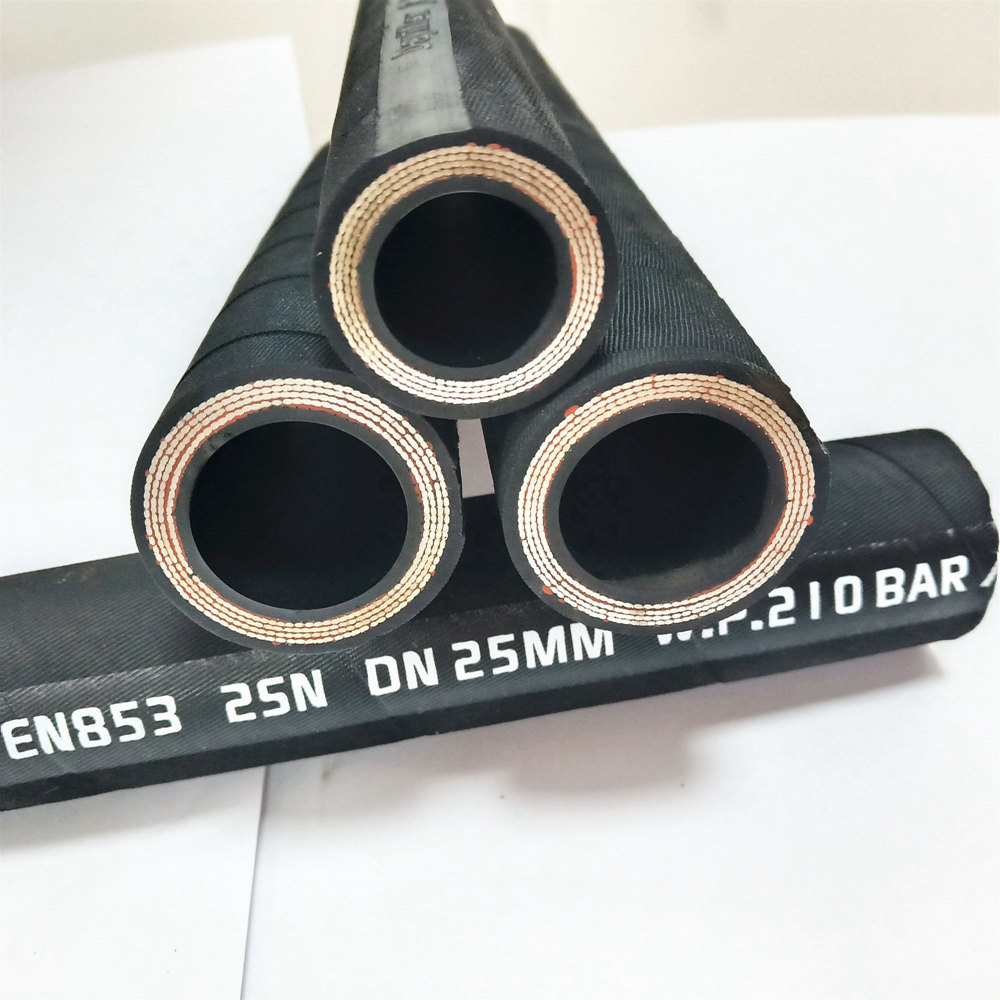
The foundation of high-pressure thermoplastic hose lies in the selection of suitable thermoplastic materials. Commonly used polymers include Polyamide (Nylon), Polyurethane, Polypropylene, and Polyethylene. Nylon 6 and Nylon 6,6 are favoured for their high tensile strength, abrasion resistance, and resilience to petroleum-based fluids. Polyurethane exhibits excellent flexibility, kink resistance, and resistance to hydrocarbons and solvents. Polypropylene provides good chemical resistance at lower temperatures and is often used in agricultural applications. Polyethylene offers cost-effectiveness and resistance to a variety of chemicals. These polymers are rarely used in their pure form for high-pressure applications. Reinforcement is critical. High-tensile strength synthetic fibers – typically aramid (Kevlar), steel wire, or a hybrid structure – are embedded within the thermoplastic matrix. Manufacturing processes commonly include extrusion, braiding, and subsequent jacketing. Extrusion forms the inner and outer layers of the hose, controlling wall thickness and material consistency. Braiding involves intertwining high-strength fibers around the extruded core, providing burst strength and pressure containment. Parameter control during extrusion – melt temperature, screw speed, die pressure – is vital to ensure consistent material properties and dimensional accuracy. Braiding tension and fiber density are similarly crucial for reinforcement effectiveness. Post-processing may involve skiving (removing material to improve bend radius), coupling attachment (crimping, swaging, or bonding), and rigorous quality control testing including hydrostatic pressure testing and impulse testing.
Performance & Engineering
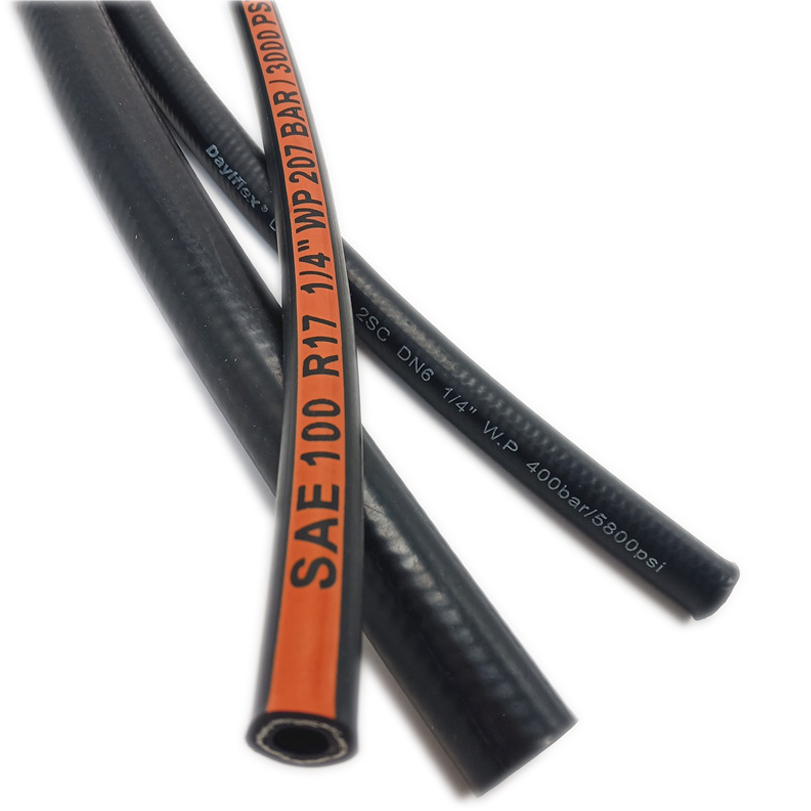
Performance of high-pressure thermoplastic hose is fundamentally governed by force analysis and environmental resistance. Burst pressure, defined as the pressure at which the hose fails catastrophically, is a primary design parameter, often exceeding the maximum working pressure by a 3:1 or 4:1 safety factor. Working pressure, the continuous operating pressure, must account for pressure spikes and dynamic loading. Finite Element Analysis (FEA) is routinely employed to model stress distribution within the hose structure under various loading conditions, optimizing reinforcement lay patterns and wall thickness. Environmental resistance encompasses temperature effects, chemical compatibility, and UV exposure. Thermoplastics exhibit temperature-dependent properties; elevated temperatures reduce tensile strength and increase permeability. Chemical compatibility is critical; the hose material must resist degradation, swelling, or dissolution when exposed to the conveyed fluid. UV exposure can cause embrittlement and cracking, necessitating the use of UV stabilizers in the outer jacket. Furthermore, compliance requirements, such as those stipulated by SAE J517 (for hydraulic hoses) and DOT FMVSS 571.106 (for automotive fuel hoses), dictate specific performance criteria and testing protocols. Functional implementation necessitates careful consideration of hose assembly practices, including proper coupling selection and crimping procedures, to ensure a leak-proof and reliable connection.
Technical Specifications
| Parameter | Unit | Nylon 6 | Polyurethane |
|---|---|---|---|
| Working Pressure | psi | 3000 | 5000 |
| Burst Pressure | psi | 9000 | 15000 |
| Temperature Range | °F | -40 to 250 | -40 to 200 |
| Tensile Strength | MPa | 80 | 60 |
| Elongation at Break | % | 30 | 400 |
| Chemical Resistance | Rating (1-5, 5=Excellent) | 3 | 4 |
Failure Mode & Maintenance
Failure modes in high-pressure thermoplastic hose are diverse. Fatigue cracking, induced by repeated pressure cycling, is a common issue, particularly at connection points. Delamination, the separation of reinforcement layers, can occur due to improper bonding or exposure to corrosive fluids. Degradation of the thermoplastic material, caused by UV exposure or chemical attack, leads to embrittlement and reduced strength. Oxidation, particularly in high-temperature applications, can cause the polymer to crosslink and lose flexibility. Pinholes and cracks can develop due to abrasion or impact damage. Maintenance involves regular visual inspections for signs of wear, cracking, or swelling. Pressure testing should be performed periodically to verify hose integrity. Hose should be replaced immediately if any damage is detected. Proper storage is also crucial; hoses should be stored in a cool, dry place away from direct sunlight and chemicals. Avoid sharp bending radii and kinking during installation and operation. Correct coupling selection and proper crimping procedures are essential to prevent premature failure at the connection points. Regularly check coupling tightness and replace any damaged or corroded couplings.
Industry FAQ
Q: What is the impact of fluid velocity on the service life of a thermoplastic hose?
A: Increased fluid velocity exacerbates erosion and abrasion, particularly in hoses conveying abrasive particles. Higher velocity also increases pressure drop and can lead to localized turbulence, potentially accelerating fatigue failure. Selection of abrasion-resistant hose materials and maintaining appropriate flow rates are crucial mitigations.
Q: How does hose layline affect performance and longevity?
A: The layline, referring to the angle of the reinforcement braid, significantly impacts burst strength and kink resistance. A steeper layline generally provides higher burst pressure but reduced flexibility. Careful layline selection is crucial based on the application requirements.
Q: What are the considerations when selecting a hose for conveying chemicals?
A: Chemical compatibility is paramount. The hose material must be resistant to degradation, swelling, and permeation by the conveyed chemical. Review chemical resistance charts provided by hose manufacturers and consider long-term exposure effects. Consider also the concentration and temperature of the chemical.
Q: Can thermoplastic hose be repaired if it develops a minor leak?
A: Generally, repair of high-pressure thermoplastic hose is not recommended. Any compromise to the hose structure, even a minor leak, can significantly reduce its burst strength and compromise safety. Replacement is the preferred option.
Q: What is the difference between static and impulse testing, and why are both important?
A: Static pressure testing involves subjecting the hose to a constant pressure until it bursts. Impulse testing simulates the cyclic pressure fluctuations experienced in real-world applications. Static testing verifies the hose’s ultimate strength, while impulse testing assesses its fatigue resistance and long-term durability.
Conclusion
OEM high pressure thermoplastic hose represents a sophisticated engineering solution for fluid transfer, offering substantial advantages over traditional rubber hoses in terms of durability, chemical resistance, and weight. Successful implementation hinges on a thorough understanding of material science, manufacturing processes, and performance characteristics. Careful consideration of operating conditions, including pressure, temperature, chemical compatibility, and potential for fatigue loading, is essential for selecting the appropriate hose material and reinforcement structure.
Looking ahead, advancements in thermoplastic polymer technology and reinforcement materials will continue to drive improvements in hose performance and longevity. Increased focus on sustainable materials and manufacturing processes will also become increasingly important. Proper maintenance practices, including regular inspection and timely replacement, remain critical for ensuring system reliability and safety.