
Apr . 01, 2024 17:55 Back to list
oem high pressure oil hose Performance Analysis
Introduction
OEM high-pressure oil hose constitutes a critical component in hydraulic systems across a diverse range of industries including construction, agriculture, manufacturing, and oil & gas. Positioned within the fluid power transmission chain, it reliably delivers pressurized hydraulic fluid, enabling the operation of actuators, motors, and other essential equipment. These hoses are not simply conduits; they are engineered systems designed to withstand extreme pressures, temperatures, and fluid compatibility challenges. Core performance characteristics include burst pressure, working pressure, temperature range, and resistance to fluid degradation. A critical industry pain point revolves around ensuring consistent quality and adherence to stringent safety standards, particularly in applications where hose failure can lead to catastrophic consequences. Selecting the correct hose for a specific application necessitates a thorough understanding of the operating parameters, fluid types, and environmental conditions.
Material Science & Manufacturing
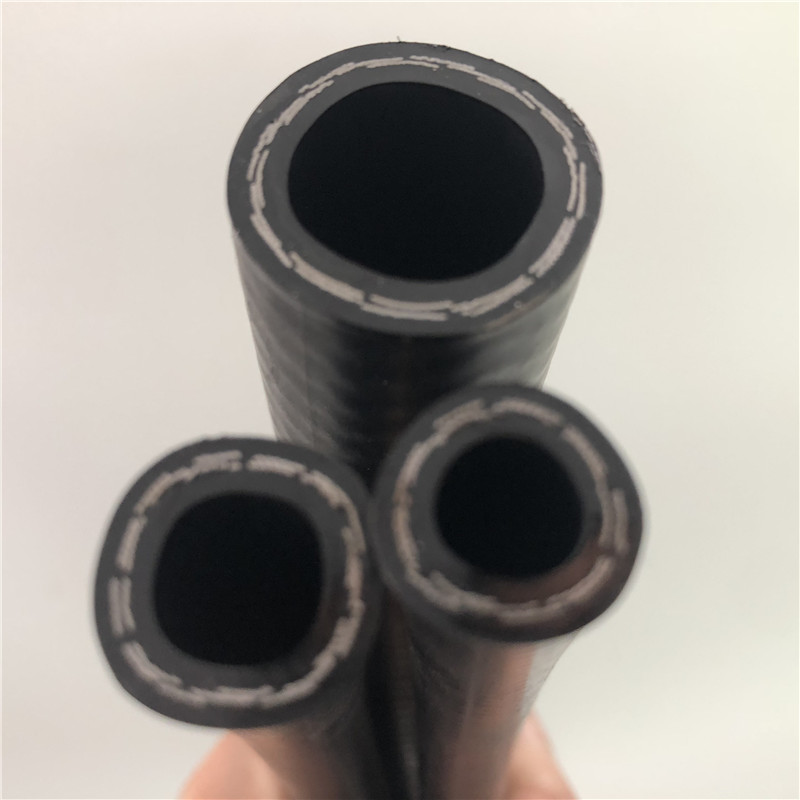
High-pressure oil hoses typically employ a multi-layered construction, each layer contributing to the overall performance and durability. The inner tube, critical for fluid compatibility, is often constructed from nitrile rubber (NBR), polyethylene (PE), or polytetrafluoroethylene (PTFE) depending on the conveyed fluid. NBR offers excellent resistance to petroleum-based oils, while PTFE is preferred for highly corrosive fluids. The reinforcement layer, providing the hose's pressure-bearing capacity, commonly utilizes multiple spiral plies of high-tensile steel wire. The number and diameter of these wires directly correlate with the hose's burst pressure rating. Between the reinforcement and the outer cover, a rubber bonding layer ensures adhesion and prevents separation. The outer cover, typically composed of synthetic rubber like chloroprene (CR) or polyurethane (PU), provides abrasion resistance, weather protection, and resistance to ozone degradation.
Manufacturing processes involve several critical stages. Inner tube extrusion requires precise control of polymer melt temperature and screw speed to ensure consistent wall thickness and uniform material properties. Reinforcement winding is a highly automated process where steel wire is spirally wrapped under tension, demanding accurate positioning and consistent pitch. The assembly is then vulcanized – a heat-curing process – to bond the layers together. Vulcanization parameters (temperature, pressure, and time) are meticulously controlled to achieve optimal bonding and crosslinking of the rubber compounds. Post-vulcanization, hoses undergo rigorous testing, including burst pressure testing, impulse testing, and leak testing to ensure compliance with industry standards. Critical parameter control includes maintaining consistent steel wire tension during winding, precise temperature control during vulcanization, and accurate monitoring of material formulations to guarantee fluid compatibility.
Performance & Engineering
The performance of a high-pressure oil hose is dictated by several engineering considerations. Force analysis is paramount, particularly regarding hoop stress in the hose wall under pressure. Hoop stress increases proportionally with pressure and hose diameter, necessitating appropriate reinforcement design. Fatigue life is a critical factor, as hoses are subjected to repeated pressure cycles. Impulse testing, simulating these cycles, assesses the hose’s ability to withstand pressure fluctuations without failure. Environmental resistance is also crucial. Exposure to extreme temperatures can alter the rubber compounds' flexibility and strength, leading to cracking or deformation. UV exposure can cause degradation of the outer cover. Chemical compatibility is essential; incompatible fluids can cause swelling, softening, or erosion of the inner tube.
Compliance requirements are stringent. SAE J517, for instance, specifies performance requirements for hydraulic hoses, including pressure ratings, temperature ranges, and fluid compatibility. EN 856 (European standard) defines similar criteria. Finite Element Analysis (FEA) is widely employed in the design process to optimize hose geometry, reinforcement configuration, and material selection. FEA allows engineers to predict stress distribution, identify potential failure points, and refine the design to maximize performance and durability. The selection of end fittings is equally important; fittings must be compatible with the hose and capable of withstanding the operating pressure without leaking or deforming.
Technical Specifications
| Parameter | Unit | Typical Value (NBR Inner Tube, Steel Wire Reinforcement) | Testing Standard |
|---|---|---|---|
| Working Pressure | MPa | 20-35 | SAE J517 |
| Burst Pressure | MPa | 60-105 | SAE J517 |
| Temperature Range | °C | -40 to +100 | SAE J517 |
| Inner Tube Material | - | Nitrile Rubber (NBR) | ASTM D2000 |
| Reinforcement | - | Multiple Spiral Steel Wire | ASTM A228 |
| Outer Cover Material | - | Chloroprene (CR) | ASTM D2000 |
Failure Mode & Maintenance
Common failure modes in high-pressure oil hoses include burst failure due to exceeding the working pressure, fatigue cracking from repeated pressure cycles, pinhole leaks caused by abrasion or corrosion, and hose kinking leading to flow restriction. Delamination, the separation of layers, can occur due to inadequate bonding during vulcanization or prolonged exposure to harsh chemicals. Oxidation of the rubber compounds can cause hardening and cracking, reducing the hose’s flexibility and strength. Failure analysis often reveals root causes such as improper hose selection for the application, exceeding pressure limits, using incompatible fluids, or neglecting regular inspections.
Preventative maintenance is crucial. Regular visual inspections should be conducted to identify signs of wear, cracking, abrasion, or leakage. Hoses should be replaced if any damage is detected. Proper routing and support are essential to prevent kinking and abrasion. Avoid sharp bends and protect hoses from direct contact with hot surfaces or moving parts. Fluid contamination can significantly reduce hose life; therefore, maintaining clean hydraulic fluid is vital. Periodic pressure testing can help identify hoses that are nearing the end of their service life. When replacing a hose, ensure the new hose has the correct specifications and that the end fittings are properly crimped and secured. Proper storage of hoses is also important; store hoses in a cool, dry, and dark place to prevent degradation.
Industry FAQ
Q: What is the impact of exceeding the recommended working pressure on hose lifespan?
A: Exceeding the recommended working pressure significantly reduces hose lifespan and dramatically increases the risk of catastrophic failure. Even short-term overpressure events can cause micro-cracking in the reinforcement layers and accelerate fatigue damage. Repeated overpressure will quickly lead to burst failure.
Q: How does fluid compatibility affect hose performance?
A: Fluid compatibility is paramount. Incompatible fluids can cause the inner tube to swell, soften, or erode, leading to leaks and premature failure. Different fluids require different inner tube materials (e.g., NBR for petroleum-based oils, PTFE for corrosive fluids). Always verify fluid compatibility before selecting a hose.
Q: What is the best method for inspecting a high-pressure hose for damage?
A: A thorough visual inspection is the first step. Look for cracks, abrasions, kinks, swelling, discoloration, and leakage around the fittings. Gently flex the hose to check for stiffness or internal delamination. Consider using a borescope to inspect the inner tube for corrosion or deposits.
Q: What are the implications of using improperly crimped fittings?
A: Improperly crimped fittings can lead to leaks, fitting blow-off, and ultimately, hose failure. Insufficient crimping results in a loose connection, while over-crimping can damage the hose reinforcement. Fittings should be crimped using calibrated equipment and according to the hose manufacturer’s specifications.
Q: How does temperature affect the performance of a high-pressure hose?
A: Temperature extremes can significantly impact hose performance. High temperatures can cause rubber compounds to soften and lose strength, while low temperatures can reduce flexibility and increase the risk of cracking. Operating outside the specified temperature range will accelerate degradation and reduce hose lifespan.
Conclusion
OEM high-pressure oil hoses represent a complex engineering solution demanding careful material selection, precise manufacturing control, and diligent maintenance. Understanding the interplay between pressure, temperature, fluid compatibility, and environmental factors is essential for ensuring safe and reliable operation. Adherence to industry standards like SAE J517 and EN 856, coupled with rigorous quality control procedures, is paramount for delivering durable and high-performing hoses.
Looking forward, advancements in material science, such as the development of more chemically resistant and thermally stable rubber compounds, will continue to enhance hose performance and extend service life. Increased adoption of predictive maintenance strategies, leveraging sensor data and machine learning, will enable proactive identification of potential failures and optimize maintenance schedules. The focus will remain on creating lighter, more flexible, and more robust hoses that meet the evolving demands of increasingly complex hydraulic systems.