
Apr . 01, 2024 17:55 Back to list
oem fuel dispenser hose Performance Analysis
Introduction
OEM fuel dispenser hoses are critical components in the retail petroleum industry, functioning as the primary conduit for transferring fuel from the dispenser to the vehicle. These hoses are not simply flexible tubing; they represent a sophisticated application of polymer science and engineering, subject to stringent safety regulations and performance demands. Their technical position within the supply chain lies between the fuel dispenser manufacturer and the end-user (gas station operator). Core performance characteristics include fuel resistance, burst pressure capability, resistance to aging and environmental degradation, and compatibility with a range of fuel types – gasoline, diesel, ethanol blends (E85), and increasingly, biodiesel. Failure of a fuel dispenser hose can result in fuel spillage, posing both environmental and safety hazards, making robust design and material selection paramount. The industry's increasing focus on leak detection and prevention further drives the need for high-integrity hose construction and regular inspection protocols.
Material Science & Manufacturing
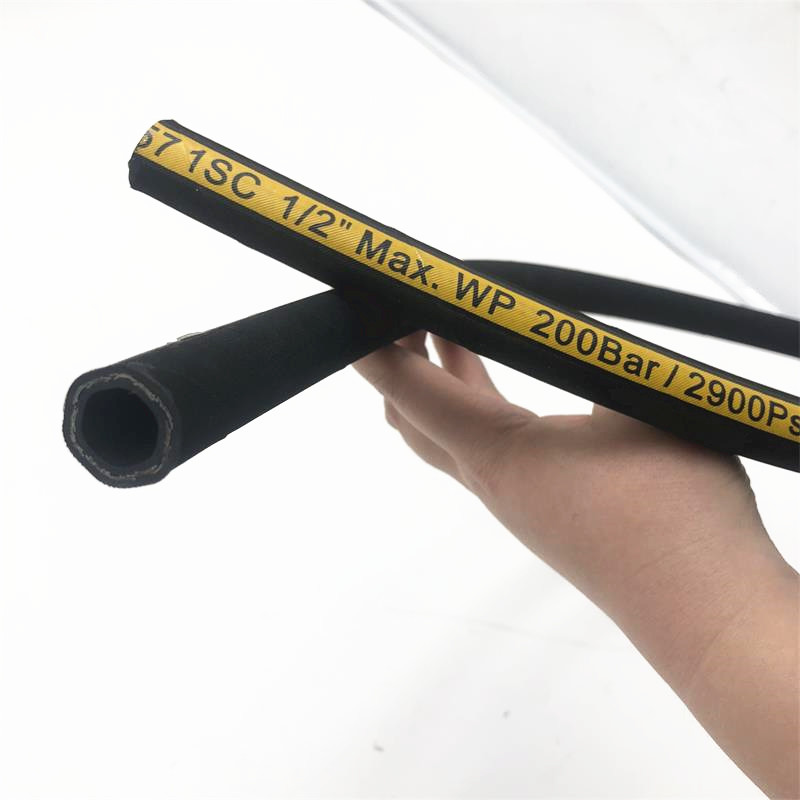
Fuel dispenser hoses are typically constructed from multiple layers, each serving a specific function. The inner layer, in direct contact with the fuel, is commonly made of a fluoropolymer such as PTFE (Polytetrafluoroethylene) or a highly fuel-resistant synthetic rubber like NBR (Nitrile Butadiene Rubber) or FKM (Fluoroelastomer/Viton). These materials exhibit exceptional resistance to hydrocarbon swelling, degradation, and permeation. The middle layer(s) provide reinforcement, usually consisting of multiple plies of high-tensile strength textile braiding, typically made from polyester or Aramid fibers. This reinforcement is crucial for withstanding the high pressures encountered during fuel dispensing and preventing hose kinking or bursting. The outer cover is generally composed of a weather-resistant synthetic rubber, such as EPDM (Ethylene Propylene Diene Monomer) or CPE (Chlorinated Polyethylene), offering protection against UV radiation, ozone cracking, abrasion, and extreme temperatures. Manufacturing processes involve extrusion for the inner and outer layers, followed by precise braiding of the reinforcing plies. A critical parameter is the braid angle and tension, which directly influence the hose’s burst pressure and flexibility. Vulcanization (curing) is then employed to crosslink the rubber polymers, enhancing their elasticity, strength, and resistance to chemical attack. Quality control during manufacturing includes pressure testing to several times the rated working pressure, dimensional checks, and fuel permeation testing to ensure compliance with relevant standards.
Performance & Engineering
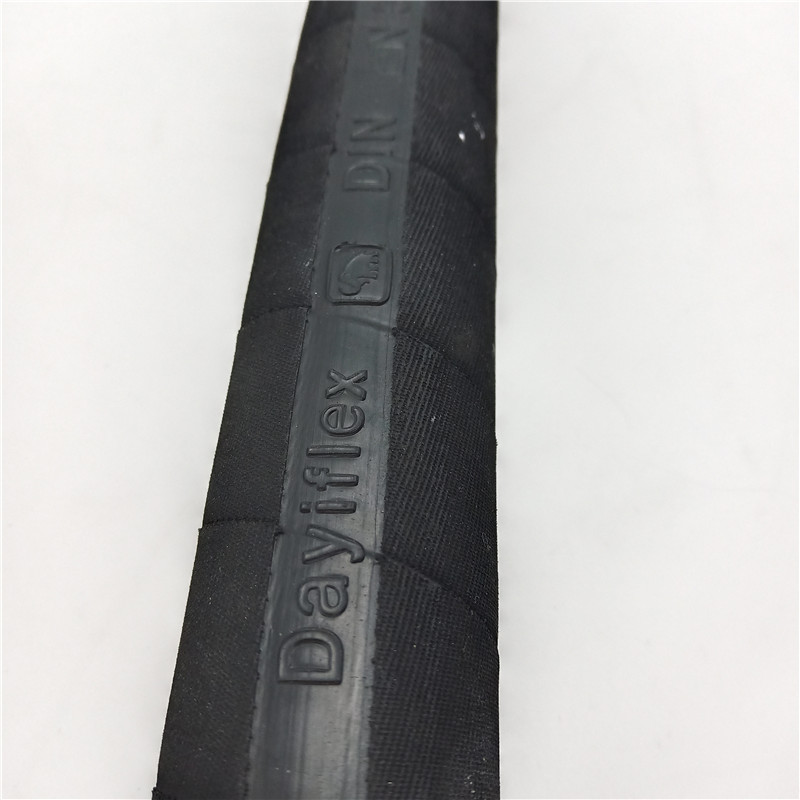
The performance of a fuel dispenser hose is dictated by several key engineering considerations. Burst pressure is a primary concern, determined by the reinforcement layer’s strength and the hose’s diameter. Force analysis dictates that hoop stress within the hose wall increases proportionally to pressure and radius, necessitating robust reinforcement. Environmental resistance is also critical, particularly UV and ozone exposure, which can cause rubber degradation and cracking. The hose must maintain its flexibility across a wide temperature range to facilitate ease of handling and prevent kinking in cold weather. Compliance requirements, notably UL 2148 and regional equivalents, mandate specific performance criteria, including electrical conductivity to prevent static discharge ignition of fuel vapors. The implementation of anti-static wiring embedded within the hose wall provides a conductive path to ground. Furthermore, the hose's permeation rate – the rate at which fuel molecules migrate through the hose wall – is a crucial environmental consideration, impacting air quality and potential fuel loss. Engineering design focuses on minimizing permeation through material selection and layer thickness optimization. Fatigue resistance is also paramount, as the hose undergoes repeated bending and flexing during operation. Material selection and ply construction techniques are employed to maximize resistance to fatigue cracking.
Technical Specifications
| Parameter | Unit | Specification (Gasoline Compatible) | Specification (Diesel/Biodiesel Compatible) |
|---|---|---|---|
| Working Pressure | psi | 500 | 500 |
| Burst Pressure | psi | 1500 | 1500 |
| Inner Diameter | inch | 3/4 | 3/4 |
| Outer Diameter | inch | 1.25 | 1.25 |
| Temperature Range | °F | -40 to +158 | -40 to +176 |
| Fuel Type Compatibility | - | Gasoline (up to E85) | Diesel, Biodiesel (up to B20) |
Failure Mode & Maintenance
Fuel dispenser hoses are susceptible to several failure modes. Fatigue cracking, particularly at the bend radius, is common due to repeated flexing. This is often initiated by localized stress concentrations caused by abrasion or damage to the outer cover. Permeation-induced degradation can occur over time, leading to swelling and embrittlement of the inner layer, particularly with aggressive fuel blends. Oxidation and ozone cracking can degrade the outer cover, reducing its protective capabilities. Delamination of the layers can also occur, compromising the hose’s structural integrity. Corrosion of the anti-static wiring can render the hose electrically unsafe. Maintenance procedures should include regular visual inspection for signs of cracking, abrasion, swelling, or delamination. The hose should be replaced immediately if any defects are detected. Periodic pressure testing can verify the hose's integrity. Avoid kinking the hose during use and storage. Ensure proper grounding of the dispenser and hose to prevent static discharge. Storage should be in a cool, dry, and dark location, away from direct sunlight and ozone sources. Records of inspection and replacement should be maintained for traceability and compliance purposes.
Industry FAQ
Q: What is the significance of electrical conductivity in fuel dispenser hoses?
A: Electrical conductivity is crucial to prevent the buildup of static electricity during fuel transfer. Static discharge can ignite flammable fuel vapors, creating a serious fire hazard. The anti-static wiring embedded in the hose provides a conductive path to ground, dissipating static charges safely.
Q: How does ethanol content in gasoline affect the longevity of fuel dispenser hoses?
A: Higher ethanol content (e.g., E85) can accelerate permeation and degradation of certain hose materials, particularly those not specifically designed for ethanol compatibility. Ethanol can cause swelling and embrittlement of the inner layer, reducing the hose's service life.
Q: What are the implications of using a fuel dispenser hose with a damaged outer cover?
A: A damaged outer cover compromises the hose’s protection against UV radiation, ozone cracking, and abrasion. This accelerates degradation of the underlying layers, increasing the risk of leaks and failure. It also reduces the hose’s resistance to mechanical damage.
Q: What is the recommended frequency for routine inspection of fuel dispenser hoses?
A: Industry best practices recommend a visual inspection at least monthly, and more frequently in high-volume locations. Detailed inspections, including pressure testing, should be conducted annually, or as dictated by local regulations and manufacturer’s recommendations.
Q: What certifications should I look for when purchasing fuel dispenser hoses?
A: Key certifications include UL 2148 (US), and compliance with regional standards like EN 12924 (Europe) and GB/T 18298 (China). These certifications ensure the hose meets minimum safety and performance requirements.
Conclusion
OEM fuel dispenser hoses represent a critical, engineered component in the safe and efficient delivery of fuel. Their design and material selection are dictated by a complex interplay of chemical compatibility, mechanical strength, environmental resistance, and stringent regulatory requirements. Understanding the materials science behind hose construction, potential failure modes, and appropriate maintenance procedures is paramount for ensuring operational reliability and preventing costly and hazardous incidents.
The industry is continuously evolving, with a growing emphasis on compatibility with alternative fuels, reducing permeation emissions, and enhancing safety features. Future developments are likely to focus on advanced polymer materials, improved reinforcement techniques, and integrated leak detection systems. Maintaining a proactive approach to hose management, through regular inspection, preventative maintenance, and adherence to industry standards, remains the most effective strategy for mitigating risk and maximizing service life.