
Apr . 01, 2024 17:55 Back to list
oem flexible high pressure rubber hydraulic hose Performance Analysis
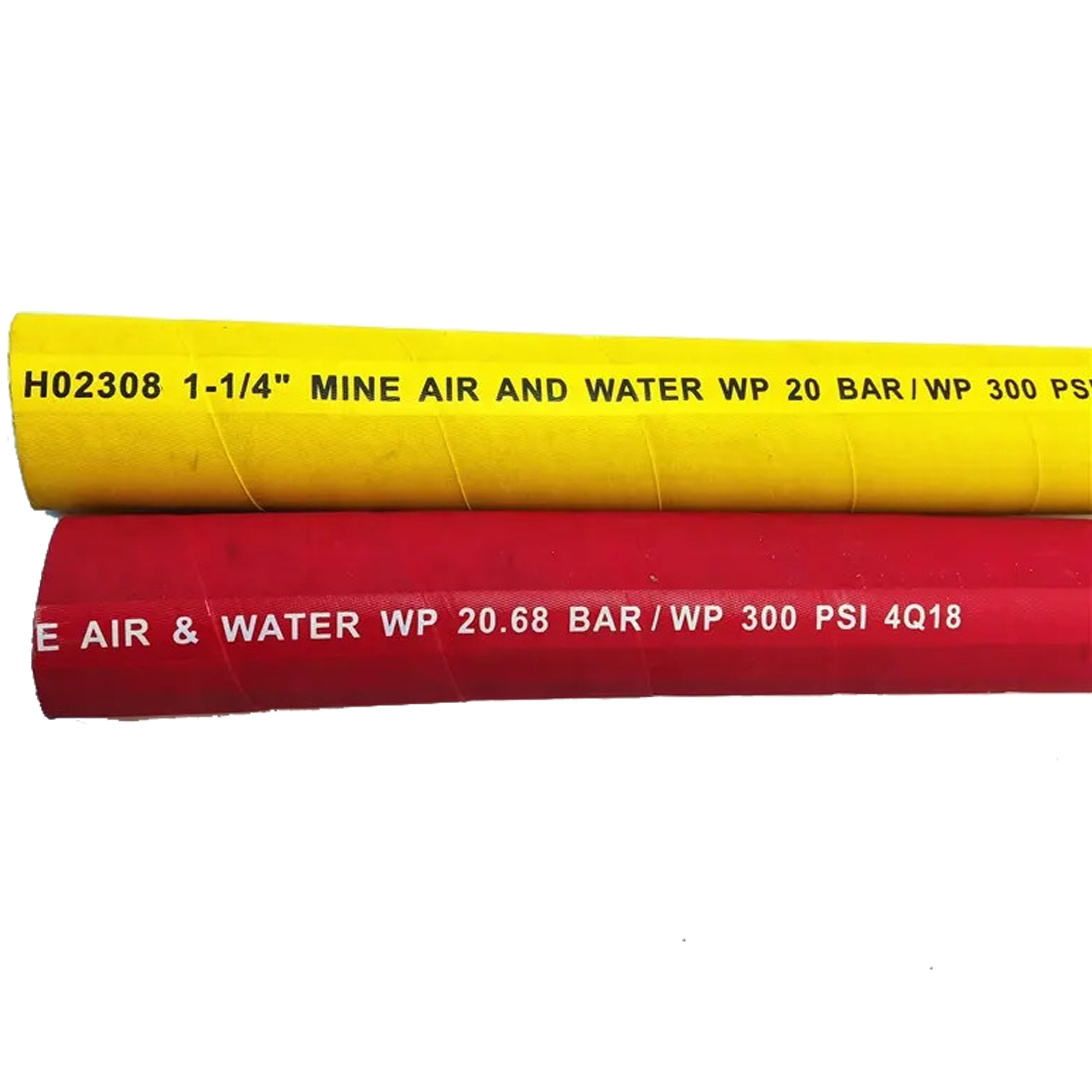
Introduction
OEM flexible high-pressure rubber hydraulic hose constitutes a critical component in fluid power systems across diverse industries, including construction, agriculture, manufacturing, and automotive. These hoses are engineered to safely and reliably transmit hydraulic fluid, enabling the operation of machinery and equipment. Unlike rigid piping, flexible hoses accommodate movement, vibration, and pressure fluctuations inherent in dynamic applications. The core performance characteristics – pressure rating, temperature resistance, fluid compatibility, and burst strength – dictate application suitability and dictate stringent manufacturing and quality control procedures. This guide details the material science, manufacturing processes, performance parameters, failure modes, and relevant standards governing these essential industrial components, addressing common pain points encountered by procurement managers and engineers seeking optimal hose solutions.
Material Science & Manufacturing
The construction of a high-pressure hydraulic hose involves multiple layers, each contributing to its overall performance. The inner tube, typically composed of oil-resistant synthetic rubber (e.g., nitrile rubber (NBR), chloroprene rubber (CR), ethylene propylene diene monomer (EPDM)), provides a barrier against fluid permeation and chemical attack. NBR is commonly selected for petroleum-based fluids, while EPDM exhibits superior resistance to heat and weathering. The reinforcement layer is crucial for withstanding high pressures; it usually consists of multiple braids or spirals of high-tensile steel wire. The number and construction of these layers directly correlate with the hose’s maximum working pressure and burst pressure. Between the inner tube and reinforcement, a bonding layer ensures adhesion and prevents separation. Finally, the outer cover, typically made from abrasion, weather, and oil-resistant rubber (e.g., CR, polyurethane), provides environmental protection. Manufacturing begins with extrusion of the inner tube and outer cover. Steel wire is then spiraled or braided around the inner tube. Critical parameters during manufacturing include precise control of rubber compound formulation (hardness, elongation, tensile strength), wire tension during braiding, and vulcanization temperature and time. Vulcanization, or curing, crosslinks the rubber polymers, imparting elasticity and durability. Quality control involves pressure testing (to 1.5 times the working pressure), impulse testing (simulating pulsating flow), and dimensional inspection. Proper layflat condition (absence of twisting) is also inspected.

Performance & Engineering
Hydraulic hose performance is governed by several key engineering principles. Burst pressure is a critical safety parameter, typically specified as four times the working pressure. Impulse pressure, representing repeated pressure spikes, demands fatigue resistance from the reinforcement layers. Hose flexibility, determined by the bend radius, affects its ability to accommodate movement and avoid kinking. Fluid compatibility is paramount; incompatible fluids can cause swelling, softening, or degradation of the inner tube, leading to leakage and failure. Temperature extremes also impact performance. High temperatures accelerate rubber degradation, while low temperatures can reduce flexibility and increase the risk of cracking. Finite Element Analysis (FEA) is employed during the design phase to optimize hose geometry and reinforcement configuration for specific pressure and temperature conditions. Proper end fitting selection and attachment are crucial to ensure a secure and leak-free connection. Fitting materials must be compatible with the hose and fluid, and crimping procedures must adhere to manufacturer’s specifications. Furthermore, dynamic analysis considers the effects of vibration and cyclical loading on hose life.
Technical Specifications
| Parameter | Unit | Typical Value (EN 853 1SN – Example) | Typical Value (SAE 100R2AT – Example) |
|---|---|---|---|
| Working Pressure | MPa | 31.5 | 34.5 |
| Burst Pressure | MPa | 126 | 138 |
| Temperature Range | °C | -40 to +100 | -40 to +100 |
| Inner Tube Material | - | NBR | Synthetic Rubber |
| Reinforcement | - | 1 Spiral Steel Wire | 2 Steel Wire Braids |
| Outer Cover Material | - | CR | Synthetic Rubber |
Failure Mode & Maintenance
Hydraulic hose failures typically stem from several causes. Fatigue cracking, arising from repeated pressure cycles and vibration, is a common failure mode, particularly in the reinforcement layers. Abrasion, caused by rubbing against adjacent components or environmental debris, degrades the outer cover, exposing the reinforcement to corrosion. Kinking, resulting from excessive bending or improper support, restricts flow and can lead to localized stress concentrations and eventual failure. Chemical degradation, due to incompatible fluids, weakens the inner tube, causing leaks and swelling. Heat aging causes the rubber compounds to become brittle and lose elasticity. Improper installation, such as incorrect crimping of fittings, creates stress points and increases the risk of failure. Maintenance practices should include regular visual inspections for signs of abrasion, cracking, and leakage. Hose routing should be optimized to minimize bending and contact with abrasive surfaces. Pressure testing should be performed periodically to detect any deterioration in performance. Damaged hoses should be replaced immediately. Furthermore, maintaining a clean hydraulic system and using the correct fluid are essential for maximizing hose life. Correctly storing hoses – coiled loosely and protected from sunlight and ozone – also contributes to longevity.
Industry FAQ
Q: What is the significance of the ‘dash size’ in hydraulic hose specifications?
A: The dash size (e.g., -6, -8, -10) refers to the inner diameter of the hose in sixteenths of an inch. A -8 hose has an inner diameter of 8/16ths or 1/2 inch. It directly impacts the flow rate capacity of the hose and is crucial for matching the hose to the system’s flow requirements. Incorrect sizing can lead to pressure drops and inefficient operation.
Q: How does temperature affect the performance of a hydraulic hose?
A: Extremes of temperature significantly impact hose performance. High temperatures accelerate the degradation of rubber compounds, reducing their elasticity and strength. Low temperatures can make the rubber brittle and prone to cracking, particularly during bending. It’s essential to select a hose with a temperature range that matches the operating conditions.
Q: What are the key differences between braided and spiral hoses?
A: Braided hoses utilize multiple layers of wire braid, offering excellent flexibility and kink resistance. Spiral hoses employ a single, continuously wound wire helix, providing higher pressure ratings and resistance to twisting. Spiral hoses generally have a larger bend radius than braided hoses.
Q: What is the impact of fluid compatibility on hose selection?
A: Fluid incompatibility can lead to the swelling, softening, or degradation of the inner tube, resulting in leaks and failure. It is critical to verify that the hose’s inner tube material is compatible with the hydraulic fluid being used. Using incompatible fluids voids warranties and compromises system safety.
Q: How important is proper hose routing and support?
A: Proper hose routing and support are paramount for preventing premature failure. Hoses should be routed to minimize bending, twisting, and contact with abrasive surfaces. Support clamps should be used to prevent sagging and vibration, reducing stress on the hose and fittings.
Conclusion
OEM flexible high-pressure rubber hydraulic hose represents a sophisticated engineering product requiring careful consideration of material science, manufacturing precision, and performance requirements. Selecting the appropriate hose necessitates a thorough understanding of operating pressures, temperatures, fluid compatibility, and environmental conditions. Failure to account for these factors can result in premature failure, system downtime, and potential safety hazards.
The long-term reliability and safety of hydraulic systems are intrinsically linked to the quality and proper implementation of these hoses. Continued advancements in rubber technology and manufacturing processes are focused on extending hose service life, reducing weight, and enhancing resistance to harsh environments. Proactive maintenance practices, including regular inspections and timely replacement of worn or damaged hoses, are essential for maintaining optimal system performance and minimizing operational costs.