
Apr . 01, 2024 17:55 Back to list
oem flexible high pressure hydraulic hose Performance Analysis
Introduction
OEM flexible high-pressure hydraulic hoses are critical components in hydraulic systems, facilitating the transmission of fluid power in a wide array of industrial and mobile applications. These hoses are engineered to withstand extreme pressures, temperatures, and challenging operating environments. Their position within the industrial chain is as a final element connecting power sources (pumps) to actuators (cylinders, motors), and their performance directly impacts system efficiency, reliability, and safety. Core performance characteristics include burst pressure, working pressure, temperature range, fluid compatibility, and resistance to abrasion and kinking. Unlike rigid piping, flexible hoses accommodate movement, vibration, and misalignment, making them indispensable in dynamic applications. The OEM designation signifies these hoses are manufactured to specific customer requirements, often involving custom lengths, fittings, and material selections optimized for particular systems.
Material Science & Manufacturing
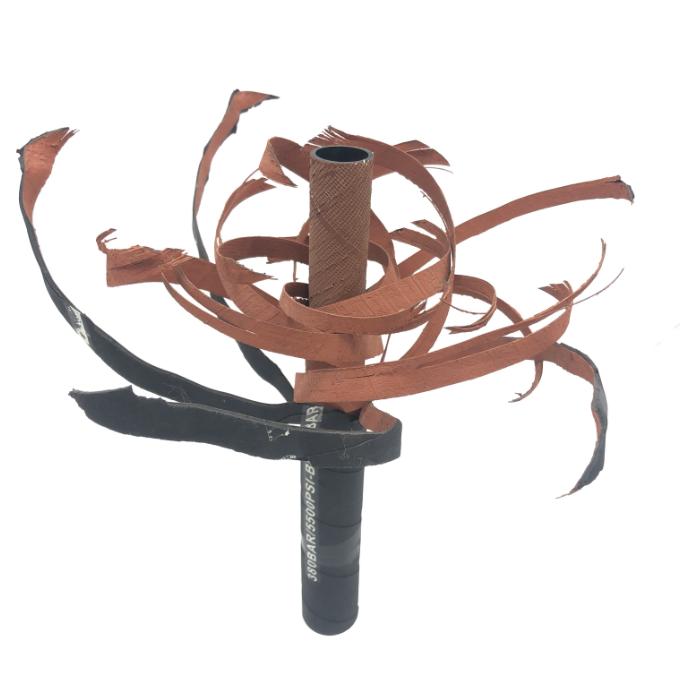
The core construction of a high-pressure hydraulic hose comprises several layers, each serving a distinct function. The innermost layer, the tube, is typically manufactured from synthetic rubbers like nitrile (NBR), chloroprene (CR, Neoprene), or fluorocarbon (FKM, Viton) depending on fluid compatibility requirements. NBR offers good resistance to petroleum-based fluids, CR provides excellent resistance to weathering and ozone, while FKM exhibits superior resistance to high temperatures and aggressive chemicals. The reinforcement layer is crucial for pressure containment and is constructed from multiple plies of high-tensile steel wire, often spirally wound or braided. The number and configuration of these steel wires directly correlate to the hose’s burst pressure rating. Between the tube and the reinforcement, an adhesive bond layer ensures secure adhesion, preventing separation under pressure. The outer cover is typically formulated from synthetic rubbers like CR or polyurethane (PUR), providing abrasion resistance, weather protection, and resistance to oil and chemicals. Manufacturing processes include extrusion for the inner tube and outer cover, followed by spiral winding or braiding of the reinforcement layers. Precise control of extrusion temperature, wire tension, and adhesive application is critical. Curing processes, involving heat and pressure, vulcanize the rubber components, establishing their final physical and chemical properties. Post-production testing, including pressure testing to several times the working pressure, ensures quality and compliance with industry standards.
Performance & Engineering
Performance analysis of high-pressure hydraulic hoses necessitates a thorough understanding of force analysis under pressure. The hoop stress within the hose wall, resulting from internal fluid pressure, is directly proportional to the pressure and the hose's inner diameter and inversely proportional to the wall thickness. Reinforcement layers are designed to counteract this stress. Fatigue life is a critical engineering consideration, as hoses are subjected to cyclical pressure fluctuations. Factors influencing fatigue life include pressure amplitude, frequency of cycling, and temperature. Environmental resistance is paramount; prolonged exposure to UV radiation, ozone, and extreme temperatures can degrade the rubber components, reducing flexibility and increasing the risk of failure. Compliance requirements, such as those stipulated by SAE International (SAE J517, J518), dictate minimum performance standards for burst pressure, working pressure, and temperature range. Finite element analysis (FEA) is frequently employed during the design phase to optimize hose geometry and reinforcement configuration for maximum performance and reliability. The selection of fitting materials (steel, stainless steel, brass) is also crucial, ensuring compatibility with the hose and the hydraulic fluid. Correct installation practices, including avoiding sharp bends and twisting, are essential for preventing premature failure.
Technical Specifications
| Parameter | Unit | Typical Value (NBR/Steel Wire/CR) | Testing Standard |
|---|---|---|---|
| Working Pressure | MPa | 20 – 35 | SAE J517 |
| Burst Pressure | MPa | 60 – 105 | SAE J517 |
| Temperature Range | °C | -40 to +100 | SAE J518 |
| Inner Tube Material | - | Nitrile Rubber (NBR) | ASTM D2000 |
| Reinforcement | Ply | 2-6 Spiral Wire | SAE J517 |
| Outer Cover Material | - | Chloroprene Rubber (CR) | ASTM D2000 |
Failure Mode & Maintenance
Failure modes in high-pressure hydraulic hoses are diverse and often interconnected. The most common include burst failure due to exceeding the working pressure or material degradation; fatigue cracking resulting from cyclical pressure fluctuations and vibration; pinhole leaks caused by abrasion or chemical attack; and fitting failure due to corrosion or improper installation. Internal degradation of the rubber tube can occur due to fluid incompatibility, leading to swelling, softening, and eventual rupture. External damage, such as abrasion from rubbing against other components, can compromise the outer cover, exposing the reinforcement layers to corrosion. Failure analysis often reveals the root cause as a combination of factors. Preventative maintenance is crucial. Regular visual inspections should identify signs of abrasion, cracking, bulging, or leaks. Hose routing should be optimized to minimize bending and twisting. Fluid contamination should be strictly controlled, as abrasive particles can accelerate internal wear. Proper storage, away from direct sunlight and extreme temperatures, is essential. When replacing hoses, it’s critical to ensure compatibility with the hydraulic fluid and system pressure. Hose assemblies should be crimped using appropriate dies and calibrated tooling to ensure a secure and leak-proof connection.
Industry FAQ
Q: What is the impact of hydraulic fluid type on hose selection?
A: Hydraulic fluid compatibility is paramount. Using an incompatible fluid can cause the inner tube to swell, soften, or degrade, leading to leaks and premature failure. For example, phosphate ester fluids require specialized hoses with fluorocarbon (FKM) tubes, while petroleum-based fluids are generally compatible with nitrile (NBR) tubes. Always consult fluid compatibility charts before selecting a hose.
Q: How does temperature affect hydraulic hose performance?
A: Temperature extremes can significantly impact hose performance. High temperatures accelerate rubber degradation and reduce burst pressure. Low temperatures can reduce flexibility, increasing the risk of kinking and cracking. The specified temperature range in the hose’s technical specifications must be adhered to.
Q: What are the key differences between spiral-wound and braided hose reinforcement?
A: Spiral-wound reinforcement typically offers higher pressure ratings and greater flexibility compared to braided reinforcement. Braided hose is generally more cost-effective and provides good resistance to kinking. The choice depends on the specific application requirements.
Q: What is the recommended torque for hydraulic hose fittings?
A: Correct torque is critical for a leak-proof seal. Over-torquing can damage the fitting or hose, while under-torquing can lead to leaks. Always consult the fitting manufacturer's specifications for recommended torque values and use a calibrated torque wrench.
Q: How can I prevent hose twist and kinking during installation?
A: Proper hose routing is essential. Avoid sharp bends and ensure sufficient clearance between the hose and other components. Use hose guards or clamps to prevent abrasion and protect the hose from external forces. Allow for hose movement during system operation to prevent twisting.
Conclusion
OEM flexible high-pressure hydraulic hoses represent a sophisticated engineering solution for fluid power transmission. Their performance is governed by a complex interplay of material science, manufacturing processes, and operational factors. Selecting the appropriate hose for a specific application requires a thorough understanding of pressure requirements, fluid compatibility, temperature range, and environmental conditions. A proactive approach to maintenance, including regular inspections and adherence to proper installation practices, is vital for maximizing hose lifespan and ensuring system reliability.
The future of hydraulic hose technology will likely focus on advancements in material science, such as the development of more durable and chemically resistant rubber compounds. Innovations in hose construction, including the use of advanced reinforcement materials like carbon fiber, will enable higher pressure ratings and reduced weight. Furthermore, the integration of sensor technology into hoses will provide real-time monitoring of pressure, temperature, and structural integrity, enabling predictive maintenance and improved safety.