
Apr . 01, 2024 17:55 Back to list
oem fiber braid hydraulic hose Performance Analysis

Introduction
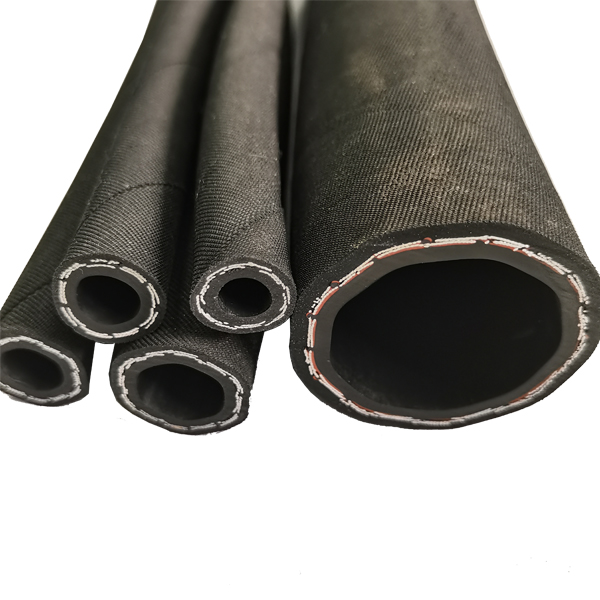
OEM fiber braid hydraulic hose constitutes a critical component in fluid power systems across diverse industries including construction, agriculture, manufacturing, and automotive. These hoses are designed to convey hydraulic fluid under high pressure, enabling the operation of hydraulic machinery. Their core construction comprises an inner tube, reinforcement layers (typically synthetic fiber braid), and an outer cover. The fiber braid provides burst strength and resistance to flexing, while the inner tube ensures compatibility with the conveyed fluid. This guide provides an in-depth technical analysis of OEM fiber braid hydraulic hose, encompassing material science, manufacturing processes, performance characteristics, failure modes, and relevant industry standards. The performance of these hoses is directly linked to the efficiency and safety of the entire hydraulic system, making a thorough understanding of their properties vital for engineers, procurement managers, and maintenance personnel. Key performance indicators include working pressure, burst pressure, temperature range, and fluid compatibility.
Material Science & Manufacturing
The materials used in OEM fiber braid hydraulic hose are selected for their compatibility with hydraulic fluids, pressure resistance, and durability. The inner tube is commonly constructed from synthetic rubbers such as Nitrile (NBR), Ethylene Propylene Diene Monomer (EPDM), or Fluorocarbon (FKM/Viton), depending on the fluid being conveyed. NBR offers good resistance to petroleum-based fluids, EPDM excels in phosphate ester fluids, and FKM provides superior chemical resistance for aggressive media. The reinforcement braid is typically high-tensile strength synthetic fibers like polyester, nylon, or aramid (Kevlar). Polyester provides a good balance of strength and cost, while aramid offers exceptionally high strength-to-weight ratio and is often used in high-pressure applications. The outer cover is typically a Chloroprene (CR) rubber compound, offering resistance to abrasion, weathering, and ozone.
Manufacturing involves several key processes. Inner tube extrusion creates a seamless tube of the specified rubber compound. The fiber braid is then applied through a braiding machine, precisely winding the fibers around the inner tube to achieve the desired reinforcement density and angle. This angle, typically between 30-55 degrees, directly influences the hose’s flexibility and burst pressure. Following braiding, the assembly undergoes vulcanization, a process of heating the rubber compounds with curing agents to cross-link the polymer chains, enhancing strength, elasticity, and chemical resistance. Precise temperature and time control during vulcanization are critical to achieving optimal properties. Finally, the outer cover is extruded over the braided structure, and the hose is subjected to quality control tests including pressure testing, impulse testing, and dimensional verification. The braiding process requires meticulous control of fiber tension and pitch to ensure uniform reinforcement. Improper braiding can lead to localized weaknesses and premature failure.
Performance & Engineering
The performance of fiber braid hydraulic hose is primarily dictated by its ability to withstand internal pressure, external stresses, and environmental factors. Force analysis involves calculating hoop stress in the inner tube under pressure, tensile stress in the reinforcement braid, and bending stress during flexing. Burst pressure, typically four times the working pressure, is a critical parameter determined by the braid’s tensile strength and the inner tube’s ability to contain the fluid. Flex fatigue resistance is essential for applications involving repetitive bending, such as hydraulic cylinders and steering systems. This is assessed through impulse testing, which subjects the hose to repeated pressure pulses. Environmental resistance encompasses factors like temperature range, exposure to oils, chemicals, and UV radiation. Degradation of the rubber compounds due to these factors can lead to loss of flexibility and premature failure. Compliance requirements, such as those stipulated by SAE J517 and EN 853, mandate specific performance criteria including pressure ratings, temperature ranges, and fluid compatibility. Proper hose assembly, including the selection of compatible fittings and correct crimping procedures, is crucial to ensure reliable performance and prevent leaks. Incorrect crimping can overstress the hose, reducing its lifespan.
Technical Specifications
| Parameter | Unit | Typical Value (NBR Inner Tube, Polyester Braid, CR Cover) | Common Range |
|---|---|---|---|
| Working Pressure | MPa | 20 | 10 - 35 |
| Burst Pressure | MPa | 80 | 40 - 140 |
| Temperature Range | °C | -40 to +100 | -40 to +120 |
| Inner Diameter | mm | 19 | 6 - 51 |
| Outer Diameter | mm | 27 | 13 - 64 |
| Braid Coverage | % | 60 | 40 - 90 |
Failure Mode & Maintenance
Failure modes in OEM fiber braid hydraulic hose can be attributed to several factors. Fatigue cracking, resulting from repeated flexing under pressure, is a common occurrence, particularly in high-cycle applications. Delamination of the braid layers can occur due to improper bonding during manufacturing or exposure to aggressive fluids. Degradation of the rubber compounds, caused by heat, chemicals, or UV radiation, leads to loss of elasticity and cracking. Oxidation, especially in the outer cover, results in surface hardening and cracking. Pinholes in the inner tube can develop due to imperfections in the extrusion process or abrasion from fluid contaminants.
Maintenance involves regular visual inspections for signs of wear, cracking, or leaks. Hose assemblies should be checked for proper fitting connections and crimp integrity. Fluid contamination should be minimized through the use of filters. Hoses should be replaced if they exhibit any signs of damage or exceed their service life. Proper storage is also crucial; hoses should be stored in a cool, dry place away from direct sunlight and ozone sources. When replacing hoses, it is essential to use compatible fittings and follow the manufacturer’s recommended crimping procedures. Periodic pressure testing can help identify potential weaknesses before they lead to catastrophic failure. Regularly reviewing service records and analyzing failure patterns can help optimize maintenance schedules and improve hose selection.
Industry FAQ
Q: What is the impact of fluid compatibility on hose lifespan?
A: Fluid incompatibility can cause swelling, softening, or cracking of the inner tube material, leading to premature failure. Selecting a hose with an inner tube specifically designed for the intended fluid is crucial. For example, using a nitrile hose with phosphate ester fluids will result in rapid degradation.
Q: How does the braid angle affect hose performance?
A: A lower braid angle (e.g., 30 degrees) generally provides greater flexibility, while a higher angle (e.g., 55 degrees) increases burst strength. The optimal angle depends on the application’s requirements for flexibility and pressure resistance.
Q: What are the common causes of hose fitting leaks?
A: Common causes include improper crimping, damaged threads on fittings or hoses, and the use of incompatible fittings. Ensure fittings are correctly sized and crimped according to the manufacturer’s specifications.
Q: How important is impulse testing, and what does it reveal?
A: Impulse testing is critical for applications involving pressure pulsations, such as hydraulic pumps. It simulates the stresses caused by repeated pressure cycles and reveals the hose’s resistance to fatigue failure. A hose that fails impulse testing is unsuitable for such applications.
Q: What is the role of the outer cover in hose durability?
A: The outer cover protects the reinforcement braid from abrasion, weathering, ozone, and chemical attack. A damaged or degraded outer cover can compromise the hose’s structural integrity and reduce its lifespan. Chloroprene (CR) is a common and effective cover material.
Conclusion
OEM fiber braid hydraulic hose remains a cornerstone of numerous industrial applications, providing a reliable and cost-effective solution for fluid power transmission. The selection of appropriate materials, meticulous manufacturing processes, and adherence to industry standards are paramount to ensuring optimal performance and longevity. Understanding the interplay between material properties, engineering principles, and potential failure modes is critical for engineers and maintenance personnel involved in the design, operation, and maintenance of hydraulic systems.
Looking ahead, advancements in material science, such as the development of new synthetic rubber compounds and high-strength fibers, will continue to enhance the performance and durability of these hoses. Increased focus on sustainable materials and manufacturing processes will also drive innovation in this field. Proactive maintenance strategies, coupled with rigorous quality control measures, will remain essential for maximizing hose lifespan and minimizing the risk of costly downtime.