
Apr . 01, 2024 17:55 Back to list
oem en857 1sc Performance Analysis
Introduction
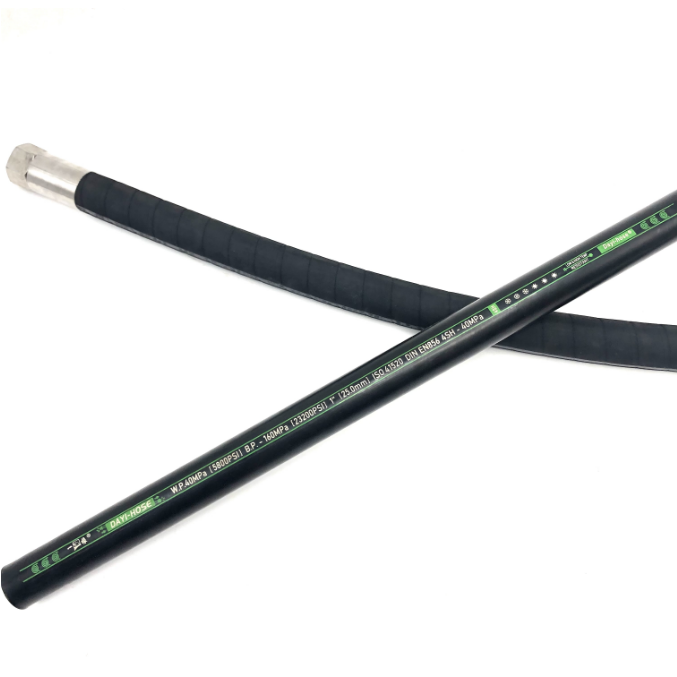
OEM EN857 1SC designates a hydraulic hose assembly conforming to the European standard EN 857, specifically categorized as 1SC. This specification denotes a hose designed for high-pressure applications, utilizing a synthetic rubber inner tube, multiple layers of high-tensile steel wire reinforcement, and an abrasion-resistant synthetic rubber outer cover. Within the fluid power industry, EN 857 hoses occupy a critical position, serving as the vital conduit for transmitting hydraulic fluid power in diverse applications ranging from construction and agricultural machinery to industrial equipment and automotive systems. Its core performance characteristics – high pressure capability, flexibility, and durability – are paramount for ensuring the safe and efficient operation of these systems. The 1SC classification specifically targets applications requiring a higher working pressure and greater robustness than standard 1SN hoses, addressing a critical need for enhanced safety and reliability in demanding environments. Understanding its material composition, manufacturing processes, and performance limitations is crucial for proper selection, installation, and maintenance.
Material Science & Manufacturing
The construction of the OEM EN857 1SC hose relies on a carefully selected combination of materials optimized for its intended function. The inner tube is typically composed of a synthetic rubber, commonly nitrile rubber (NBR), renowned for its excellent resistance to petroleum-based hydraulic fluids. NBR’s chemical compatibility ensures minimal swelling or degradation when exposed to the working fluid, preserving hose integrity. The reinforcement layer is the defining feature of the 1SC specification. It consists of multiple spiral-wound layers of high-tensile steel wire, providing the hose with its exceptional pressure-bearing capability. The steel wire used is typically carbon steel, heat-treated to achieve the required tensile strength and flexibility. The outer cover utilizes a synthetic rubber blend, frequently a combination of chloroprene (CR) and ethylene propylene diene monomer (EPDM) rubber. This blend provides superior abrasion resistance, weathering protection, and resistance to ozone degradation.
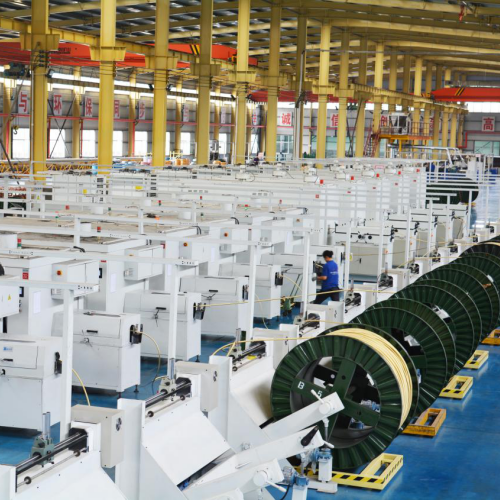
Manufacturing commences with the extrusion of the inner tube to the specified dimensions. Subsequently, the steel wire reinforcement is spirally wound onto the inner tube using precision machinery. This winding process is critical; consistent wire tension and spacing are essential for maintaining uniform pressure resistance. Following reinforcement, the outer cover is extruded over the assembly, creating a bonded, multi-layered structure. A vulcanization process, involving controlled heating and pressure, chemically crosslinks the rubber compounds, enhancing their mechanical properties and ensuring robust adhesion between layers. Critical process parameters include extrusion temperature, winding tension, vulcanization time, and temperature uniformity. Stringent quality control measures, including hydrostatic pressure testing, impulse testing, and dimensional inspections, are implemented at each stage to guarantee compliance with EN 857 specifications. Improper vulcanization can lead to layer separation; inconsistent winding tension can create weak points susceptible to failure.
Performance & Engineering
The performance of an OEM EN857 1SC hose is governed by several key engineering considerations. Force analysis centers on the internal pressure exerted by the hydraulic fluid. The steel wire reinforcement is engineered to withstand this pressure without significant deformation or failure. Hose burst pressure, a critical safety parameter, is determined by the number and tensile strength of the steel wire layers. Furthermore, the hose must withstand external forces, including bending, twisting, and axial loading. These forces induce stress on the hose structure, potentially leading to fatigue failure. Flexibility is another vital performance attribute. The hose must be able to bend and maneuver within the confines of the hydraulic system without kinking or restricting fluid flow. This is achieved through the careful selection of rubber compounds and the spiral winding of the reinforcement layers.
Environmental resistance is paramount, particularly in outdoor applications. The outer cover must protect the hose from degradation caused by exposure to UV radiation, ozone, temperature extremes, and corrosive substances. Compliance with EN 857 ensures that the hose meets specific performance criteria regarding pressure resistance, impulse testing (simulating pressure pulsations), and temperature range. The hose’s ability to maintain its performance characteristics over its service life is assessed through accelerated aging tests. Finite element analysis (FEA) is often employed during the design phase to optimize the hose structure and predict its behavior under various loading conditions. Proper hose routing and support are crucial for maximizing service life and preventing premature failure. Sharp bends and excessive axial loading should be avoided.
Technical Specifications
| Parameter | Specification (Typical) | Test Standard | Units |
|---|---|---|---|
| Working Pressure | 315 | EN 857 | bar |
| Burst Pressure | 1260 | EN 857 | bar |
| Inner Tube Material | Nitrile Rubber (NBR) | ASTM D2000 | - |
| Reinforcement | Multiple Layers of High-Tensile Steel Wire | EN 857 | - |
| Outer Cover Material | Chloroprene (CR) / EPDM Blend | ASTM D2000 | - |
| Temperature Range | -40 to +100 | EN 857 | °C |
Failure Mode & Maintenance
OEM EN857 1SC hoses are susceptible to several failure modes under typical operating conditions. Fatigue cracking, initiated by repeated bending and pressure cycling, is a common failure mechanism. This typically begins in the steel wire reinforcement layers, propagating through the rubber matrix. Pinholes in the inner tube, often caused by abrasion from fluid contaminants or chemical attack, can lead to leakage and pressure loss. Cover degradation, stemming from UV exposure, ozone attack, or contact with harsh chemicals, compromises the hose’s protective barrier. Another critical failure mode is hose twisting, which can induce excessive stress on the reinforcement layers and lead to kinking or rupture.
Preventative maintenance is essential for maximizing hose service life. Regular visual inspections should be conducted to identify signs of wear, such as cracks, abrasions, or swelling. Fluid contamination should be minimized through proper filtration practices. Hose routing should be carefully planned to avoid sharp bends and excessive strain. Avoid over-bending the hose during installation. Periodically check hose connections for leaks or corrosion. When replacing a hose, ensure that the new hose meets or exceeds the original specifications. If a hose shows any signs of damage, it should be removed from service immediately and replaced. Hydrostatic testing can be performed periodically to assess the hose’s pressure-bearing capacity, although this should be conducted by qualified personnel. Proper storage of spare hoses is also crucial, protecting them from sunlight, heat, and ozone.
Industry FAQ
Q: What is the significance of the '1SC' designation in EN 857, and how does it differ from 1SN?
A: The '1SC' designation indicates a higher pressure rating and increased steel wire reinforcement compared to '1SN'. 1SC hoses are engineered for applications demanding greater robustness and safety, typically operating at higher system pressures. 1SN hoses offer a lower pressure rating and are suitable for less demanding applications.
Q: How does temperature affect the performance and lifespan of an EN 857 1SC hose?
A: Operating temperatures outside the specified range (-40°C to +100°C) can significantly degrade the hose’s performance. High temperatures can accelerate rubber degradation, reducing flexibility and pressure resistance. Low temperatures can embrittle the rubber, increasing the risk of cracking. Sustained exposure to extreme temperatures will shorten the hose's service life.
Q: What type of hydraulic fluid is compatible with an EN 857 1SC hose with an NBR inner tube?
A: NBR inner tubes offer excellent compatibility with petroleum-based hydraulic fluids, including mineral oils and synthetic hydraulic fluids commonly used in mobile and industrial applications. However, they are generally not suitable for phosphate ester fluids, which can cause swelling and degradation of the NBR material. Always verify fluid compatibility before use.
Q: What are the best practices for preventing hose twisting during installation and operation?
A: Avoid sharp bends and maintain a generous bend radius during installation. Use hose support clamps to secure the hose and prevent excessive movement. Ensure that the hose is properly aligned and that there are no obstructions causing twisting. Regularly inspect the hose for signs of twisting and correct any issues promptly.
Q: What is the recommended procedure for determining when an EN 857 1SC hose needs to be replaced?
A: Conduct regular visual inspections for cracks, abrasions, swelling, or leaks. Perform hydrostatic testing periodically to verify pressure-bearing capacity. If any signs of damage or degradation are observed, or if the hose fails a hydrostatic test, it should be replaced immediately. Follow manufacturer's recommendations for service intervals.
Conclusion
The OEM EN857 1SC hydraulic hose represents a critical component in numerous fluid power systems, offering a robust and reliable solution for high-pressure applications. Its multi-layered construction, utilizing synthetic rubber and high-tensile steel wire reinforcement, provides the necessary performance characteristics for demanding environments. A thorough understanding of its material science, manufacturing processes, and potential failure modes is paramount for ensuring safe and efficient operation.
Proper selection, installation, and preventative maintenance are vital for maximizing hose service life and minimizing the risk of catastrophic failure. Adherence to EN 857 standards and best practices, including regular inspections, fluid compatibility checks, and appropriate hose routing, will contribute to the long-term reliability of hydraulic systems. Continued advancements in rubber technology and manufacturing techniques will likely lead to further enhancements in hose performance and durability, addressing the evolving needs of the fluid power industry.

