
Apr . 01, 2024 17:55 Back to list
oem double fiber braid hydraulic hose Performance Analysis
Introduction
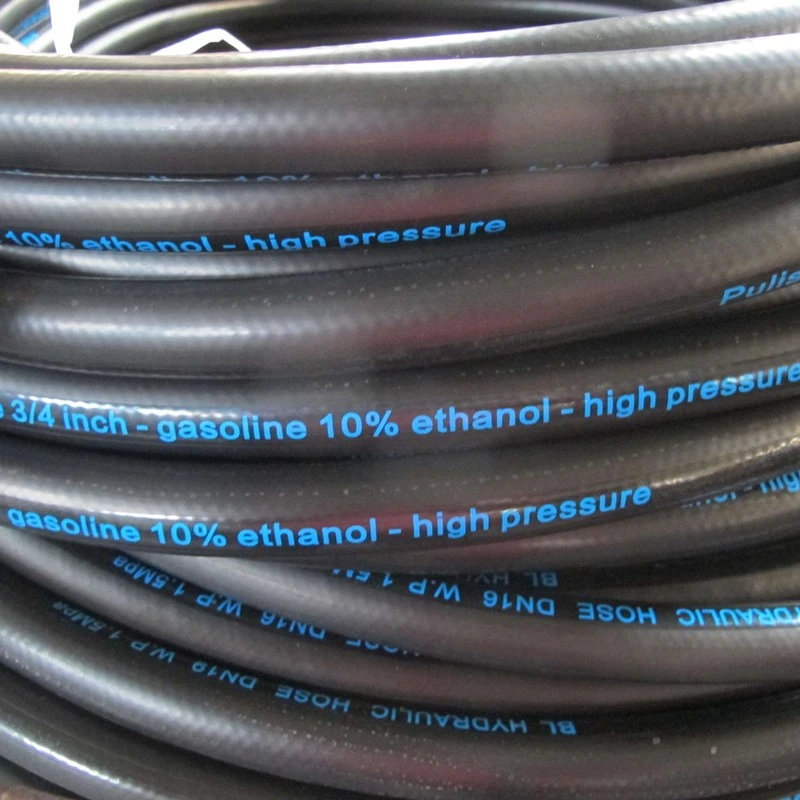
OEM double fiber braid hydraulic hose is a reinforced flexible assembly designed to transmit hydraulic fluid under pressure. Positioned as a critical component within hydraulic systems across diverse industries – including construction, agriculture, manufacturing, and material handling – its performance dictates the efficiency and safety of machinery. The hose comprises an inner tube, reinforcement layers (typically two braids of high-tensile steel wire), and an outer cover. Core performance characteristics include pressure rating, temperature resistance, fluid compatibility, and burst strength. A primary industry pain point centers on hose failure leading to costly downtime, environmental contamination, and potential operator injury. Selecting the correct hose specification – considering fluid type, operating pressure, temperature fluctuations, and application environment – is paramount. The emergence of increasingly demanding hydraulic systems with higher pressures and specialized fluids necessitates a deeper understanding of hose construction and material properties.
Material Science & Manufacturing
The constituent materials of a double fiber braid hydraulic hose profoundly influence its performance. The inner tube is commonly constructed from synthetic rubbers like nitrile (NBR), ethylene propylene diene monomer (EPDM), or fluorocarbon (FKM/Viton) selected based on fluid compatibility. NBR provides excellent resistance to petroleum-based fluids, while EPDM excels in applications involving phosphate ester fluids and high-temperature water. FKM offers superior resistance to aggressive chemicals and extreme temperatures, but at a higher cost. The reinforcement braids, typically high-tensile carbon steel wire, provide the hose’s pressure-bearing capability. Wire diameter, braid angle, and the number of braids directly correlate to the hose’s working and burst pressure. The outer cover, typically a synthetic rubber like chloroprene (CR), offers environmental protection against abrasion, ozone, and UV exposure. Manufacturing involves several critical processes. The inner tube is extruded, followed by the application of the steel wire braids using automated braiding machines. Precise control of braid tension is crucial for ensuring uniform reinforcement. Subsequently, the outer cover is extruded, and the hose undergoes curing in an autoclave to vulcanize the rubber compounds, achieving desired mechanical properties. Quality control includes dimensional checks, pressure testing (hydrostatic and impulse testing), and material analysis to ensure adherence to specifications. Post-curing, hose ends are frequently fitted with couplings using crimping processes, demanding precise crimp dimensions to prevent leakage or hose separation.
Performance & Engineering
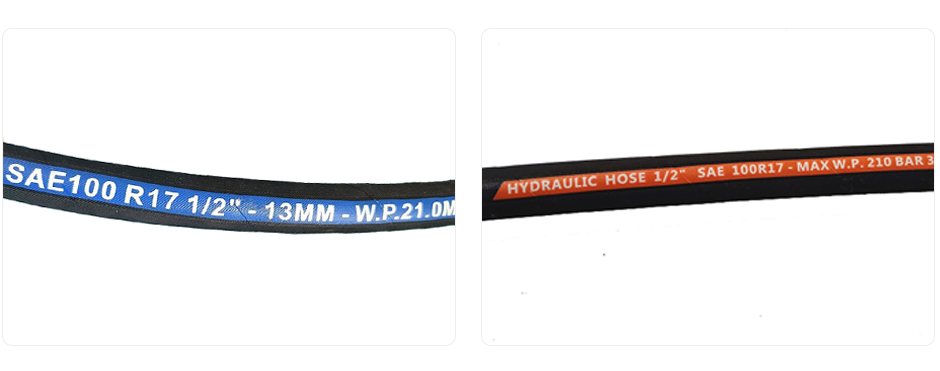
The performance of a double fiber braid hydraulic hose is governed by several engineering principles. Hose pressure rating is determined by the tensile strength of the steel wire reinforcement and the inner tube's ability to withstand internal pressure. Burst pressure is typically four times the working pressure, offering a safety factor. Fatigue life is a critical consideration, particularly in applications involving pulsating pressures and dynamic bending. Repeated flexing induces stress concentrations in the hose wall, leading to fatigue cracking. Finite Element Analysis (FEA) is employed to optimize hose construction and predict fatigue life under specific operating conditions. Environmental resistance encompasses temperature stability, ozone resistance, and fluid compatibility. Extreme temperatures can affect rubber elasticity and reduce hose lifespan. Fluid incompatibility can cause swelling, softening, or degradation of the inner tube, leading to leakage. The hose’s bend radius is also crucial; exceeding the minimum bend radius induces kinking and stress concentrations. Compliance requirements vary by region and industry. Standards such as SAE J517 (hydraulic hose – construction, performance, and test procedures) and EN 853 (steel wire reinforced hydraulic hoses) dictate testing protocols and performance criteria. Chemical resistance charts are used to match hose materials with specific hydraulic fluids. Consideration must be given to potential electrostatic discharge (ESD) in certain applications, requiring the use of conductive hose covers.
Technical Specifications
| Parameter | Unit | Specification (Typical) | Testing Standard |
|---|---|---|---|
| Working Pressure | PSI | 2000-5000 | SAE J517 |
| Burst Pressure | PSI | 8000-20000 | SAE J517 |
| Temperature Range | °F | -40 to +212 | SAE J517 |
| Inner Tube Material | - | NBR, EPDM, FKM | ASTM D2000 |
| Reinforcement | - | Two Steel Wire Braids | SAE J517 |
| Outer Cover Material | - | CR | ASTM D2000 |
Failure Mode & Maintenance
Failure modes in double fiber braid hydraulic hoses are diverse. Common causes include exceeding pressure limits, exceeding temperature limits, abrasive wear, corrosion, fluid incompatibility, and dynamic flexing. Fatigue cracking, originating at stress concentrations (e.g., fitting junctions, bends), is a frequent failure mechanism. Abrasion, caused by external contact with moving parts or abrasive fluids, degrades the outer cover, exposing the reinforcement braids to corrosion. Internal corrosion, induced by incompatible fluids, weakens the inner tube, leading to leakage. Pinholes can develop in the inner tube due to the presence of contaminants in the hydraulic fluid. Delamination, the separation of the hose layers, compromises its structural integrity. Maintenance is critical for extending hose lifespan. Regular visual inspections should be conducted to identify signs of wear, abrasion, cracking, or leakage. Hose bends should be inspected for kinking. Hydraulic fluid should be regularly analyzed for contamination and maintained within specified viscosity ranges. Proper hose routing, avoiding sharp bends and abrasive surfaces, is essential. When replacing hoses, ensure compatibility with the hydraulic fluid and operating conditions. Crimped fittings should be inspected for proper seating and tightness. Scheduled replacement based on operating hours and environmental conditions is recommended, even in the absence of visible defects. Use of hose guards where abrasion is likely is good practice.
Industry FAQ
Q: What is the impact of impulse pressure on hose life?
A: Impulse pressure, or pressure surges, significantly reduces hose life. These rapid pressure fluctuations create dynamic stress concentrations within the hose wall, accelerating fatigue failure. Hoses specifically designed for impulse applications incorporate construction features – such as a tighter braid pattern and optimized rubber compounds – to mitigate the effects of pressure surges. Impulse testing, as per SAE J517, evaluates a hose’s ability to withstand repeated pressure cycles.
Q: How does fluid temperature affect hose performance?
A: Fluid temperature directly impacts the physical properties of the hose materials. High temperatures can cause rubber compounds to soften, reducing their tensile strength and increasing susceptibility to abrasion. Low temperatures can cause rubber to stiffen, reducing its flexibility and increasing the risk of cracking. Exceeding the specified temperature range can lead to premature failure. Selecting a hose with a temperature rating appropriate for the operating environment is critical.
Q: What are the key considerations when selecting a hose for corrosive fluids?
A: Selecting a hose for corrosive fluids requires careful consideration of the fluid's chemical composition and concentration. The inner tube material must be chemically compatible with the fluid to prevent swelling, softening, or degradation. FKM (Viton) hoses offer superior resistance to a wide range of aggressive chemicals, but NBR or EPDM may be suitable for less demanding applications. Chemical resistance charts should be consulted to verify compatibility.
Q: What is the role of the outer cover in hose protection?
A: The outer cover provides crucial protection against external environmental factors. It shields the reinforcement braids from corrosion, abrasion, ozone, and UV exposure. A durable outer cover extends hose lifespan and prevents premature failure. The type of rubber compound used in the outer cover should be selected based on the anticipated environmental conditions. For example, CR provides good general-purpose protection, while specialized covers may be required for extreme environments.
Q: What is the proper procedure for installing hose fittings?
A: Proper fitting installation is vital for ensuring a leak-free and reliable connection. Fittings should be selected to match the hose size and pressure rating. The hose end must be cleanly cut and deburred before fitting application. Crimping dimensions must adhere to the fitting manufacturer’s specifications. Over-crimping can damage the hose, while under-crimping can lead to leakage. Regular inspection of crimped fittings for tightness is essential.
Conclusion
OEM double fiber braid hydraulic hose represents a critical component in numerous industrial applications, demanding a thorough understanding of its material science, manufacturing processes, and performance characteristics. Proper selection, installation, and maintenance are paramount to ensuring reliable operation, minimizing downtime, and maximizing service life. Addressing the inherent vulnerabilities related to pressure fluctuations, temperature extremes, and fluid compatibility requires careful consideration of hose specifications and operating conditions.
As hydraulic systems continue to evolve with increased pressures and specialized fluids, the demand for higher-performance hose solutions will intensify. Future development trends likely include the incorporation of advanced materials (e.g., thermoplastic composites), smart hose monitoring systems for predictive maintenance, and improved manufacturing techniques for enhanced durability and reliability. A proactive approach to hose management, encompassing regular inspections, fluid analysis, and adherence to industry standards, remains the cornerstone of a successful hydraulic system.