
Apr . 01, 2024 17:55 Back to list
oem crimping machine Performance Engineering

Introduction
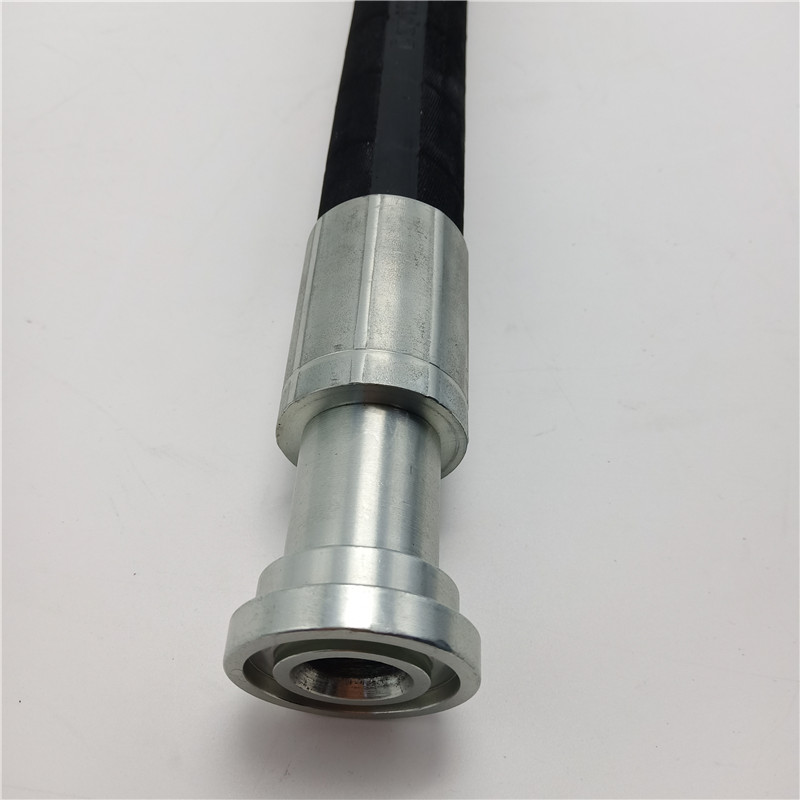
OEM crimping machines are specialized industrial equipment utilized for the secure attachment of fittings to hoses using compression. Positioned within the manufacturing supply chain for fluid conveyance systems – encompassing automotive, hydraulics, pneumatics, and industrial processing – these machines provide a robust and reliable connection method. Unlike bonded or threaded connections, crimping creates a permanent seal by plastically deforming a fitting onto a hose, ensuring resistance to pressure, temperature fluctuations, and chemical exposure. Core performance characteristics center around crimp force accuracy, repeatability, fitting compatibility, and cycle time efficiency, directly influencing the integrity and operational lifespan of assembled hose assemblies. The primary industry pain point addressed by optimized OEM crimping machines is minimizing field failures due to improper attachment, leading to costly downtime and safety concerns.
Material Science & Manufacturing
The construction of OEM crimping machines relies on high-strength materials to withstand significant forces and ensure long-term durability. Machine frames are typically fabricated from heavy-duty steel alloys (e.g., AISI 1045, S45C) chosen for their tensile strength and weldability. Critical components, such as the crimping dies, utilize tool steels (e.g., D2, H13) hardened and tempered to resist wear and deformation under repeated stress. These die materials undergo stringent quality control, including Rockwell hardness testing and microstructural analysis, to guarantee consistent crimp performance. The manufacturing process involves precision machining (CNC milling, turning), heat treatment, and surface finishing (grinding, polishing). Hydraulic systems, integral to providing crimping force, utilize high-grade hydraulic oil (typically mineral-based with anti-wear additives) formulated for consistent viscosity across a wide temperature range. The hoses and fittings themselves dictate material compatibility; stainless steel fittings are used with corrosive fluids, while polymer fittings are selected for their lightweight properties and resistance to specific chemicals. Parameter control during manufacturing focuses on dimensional accuracy of die profiles, hydraulic pressure calibration, and precise alignment of machine components. Improper heat treatment of dies can lead to premature failure, while inconsistencies in machining can result in off-center crimps and reduced seal integrity.
Performance & Engineering
The performance of an OEM crimping machine is critically linked to force analysis and the engineering principles governing plastic deformation. Crimp force must be precisely calculated based on hose diameter, wall thickness, material properties (durometer, tensile strength), and fitting geometry. Finite Element Analysis (FEA) is frequently employed to simulate the crimping process, optimizing die design and predicting stress distribution within the assembly. Environmental resistance is paramount; machines operating in harsh environments require sealed enclosures (IP65 or higher) to protect against dust, moisture, and temperature extremes. Compliance requirements are dictated by industry standards (SAE J517, DIN EN 853, ISO 3862) which specify crimp dimensions, pull-off force, and burst pressure tests. Functional implementation involves a closed-loop control system utilizing pressure transducers and programmable logic controllers (PLCs). These systems monitor and adjust crimping force in real-time, ensuring consistent results. The mechanical advantage provided by hydraulic cylinders is calculated using formulas considering cylinder bore, piston rod diameter, and hydraulic pressure. Fatigue life is a key engineering consideration; high-cycle fatigue can lead to die cracking, necessitating regular inspection and replacement of wear components. Furthermore, accurate positioning of the hose assembly within the crimping die is critical to prevent uneven crimping and potential leakage.
Technical Specifications
| Crimp Force (kN) | Hose ID Range (mm) | Fitting ID Range (mm) | Cycle Time (seconds) |
|---|---|---|---|
| 500 | 6-25 | 6-20 | 8 |
| 800 | 12-40 | 10-30 | 12 |
| 1200 | 25-60 | 20-50 | 15 |
| 1500 | 40-80 | 30-60 | 18 |
| 2000 | 60-120 | 50-100 | 25 |
| 2500 | 100-150 | 80-120 | 30 |
Failure Mode & Maintenance
OEM crimping machines are susceptible to several failure modes. Fatigue cracking in crimping dies is common, often initiated at stress concentration points. This is exacerbated by using dies with incorrect profiles or by exceeding the machine’s rated capacity. Hydraulic system failures, including pump cavitation, seal degradation, and oil contamination, can lead to reduced crimp force or complete machine shutdown. Electrical component failures (sensors, PLCs, actuators) can disrupt the control system, resulting in inaccurate crimps. Hose and fitting material incompatibility can cause degradation of the crimped assembly, leading to leakage. Delamination of the hose reinforcement layers can also occur due to excessive crimp force or improper die design. Preventive maintenance is crucial and includes regular inspection of dies for cracks and wear, hydraulic fluid analysis and filtration, lubrication of moving parts, and calibration of pressure sensors. Die replacement should be performed based on manufacturer’s recommendations and usage frequency. Hydraulic oil should be changed according to the manufacturer's schedule, and filters should be replaced regularly. Periodic inspection of electrical connections and wiring is also recommended. Proper operator training is vital to prevent misuse and ensure safe operation.
Industry FAQ
Q: What are the key considerations when selecting a crimping machine for a specific hose and fitting combination?
A: The most important considerations are hose and fitting material compatibility, hose ID and fitting ID ranges, required crimp force based on pressure rating, and the machine’s cycle time to meet production demands. It’s crucial to verify that the machine’s die set is specifically designed for the chosen hose and fitting, and to consult the hose manufacturer’s crimp specifications.
Q: How often should crimping dies be inspected and replaced?
A: Dies should be visually inspected before each shift for any signs of cracking, chipping, or wear. A more thorough inspection, including dimensional measurements and hardness testing, should be conducted every 500-1000 crimps, or as recommended by the die manufacturer. Replacement is necessary if any defects are detected or if the die’s dimensions fall outside of specified tolerances.
Q: What are the potential consequences of using an incorrect crimp setting?
A: Using an incorrect crimp setting can lead to several problems, including leaks, hose burst, premature fitting failure, and reduced assembly lifespan. Under-crimping results in a loose connection, while over-crimping can damage the hose reinforcement and reduce its pressure rating.
Q: How important is hydraulic fluid quality in maintaining crimping machine performance?
A: Hydraulic fluid quality is paramount. Contaminated fluid can cause pump wear, valve malfunctions, and reduced crimp force. Regular fluid analysis and filtration are essential to remove particulates, water, and air. The fluid should also be compatible with the machine’s seals and components.
Q: What safety precautions should be taken when operating an OEM crimping machine?
A: Operators must wear appropriate personal protective equipment (PPE), including safety glasses and gloves. Emergency stop buttons should be readily accessible, and all safety guards must be in place. Regular machine maintenance and inspection are critical to identify and address potential hazards. Proper training on machine operation and safety procedures is essential for all personnel.
Conclusion
OEM crimping machines are indispensable for producing reliable and leak-free fluid conveyance assemblies. Their performance is contingent upon a thorough understanding of material science, precise engineering, and adherence to stringent industry standards. Proper machine selection, meticulous maintenance, and skilled operation are critical to maximizing their lifespan and minimizing the risk of failures.
The future of OEM crimping machine technology will likely focus on increased automation, real-time process monitoring, and data analytics. Integration with Industry 4.0 principles, such as predictive maintenance and remote diagnostics, will further enhance efficiency and reduce downtime. Continued advancements in die materials and designs will enable the handling of increasingly complex hose and fitting configurations, while minimizing the overall cost of assembly.

