
Apr . 01, 2024 17:55 Back to list
oem china hydraulic hose manufacturer Performance Analysis
Introduction
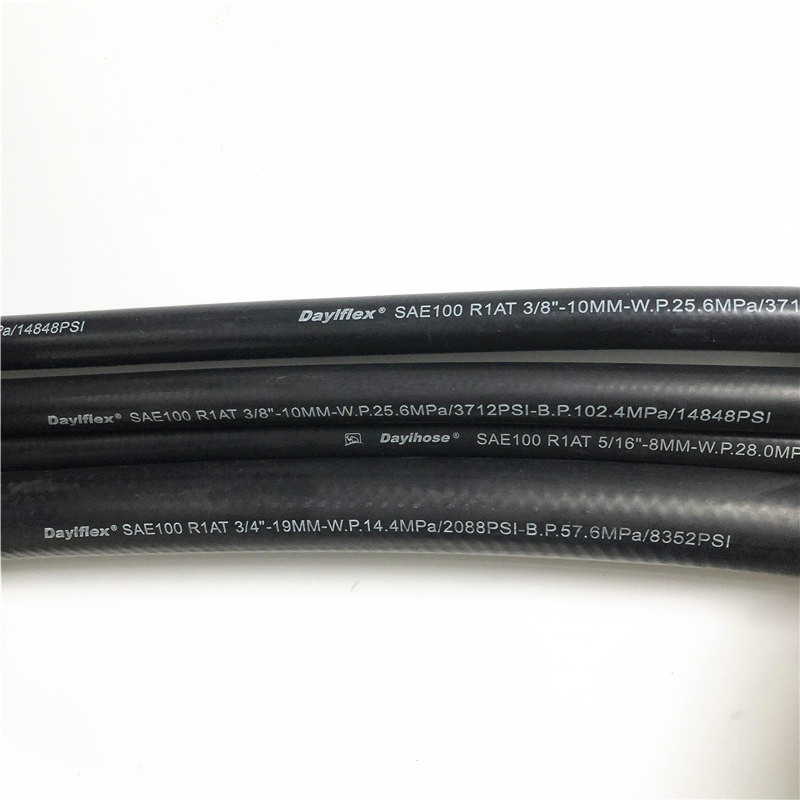
Hydraulic hoses, manufactured by OEM China hydraulic hose manufacturers, are critical components in fluid power systems across diverse industries including construction, agriculture, manufacturing, and automotive. These hoses are engineered to safely and efficiently transmit hydraulic fluid under high pressure, facilitating the operation of machinery such as excavators, loaders, presses, and steering systems. OEM (Original Equipment Manufacturer) production emphasizes customized solutions tailored to specific application requirements, differentiating them from standard, off-the-shelf products. The core performance characteristics of a hydraulic hose – pressure rating, burst pressure, temperature range, and fluid compatibility – are paramount to system reliability and operator safety. This guide provides a comprehensive technical overview of hydraulic hose materials, manufacturing processes, performance considerations, failure modes, and relevant industry standards.
Material Science & Manufacturing
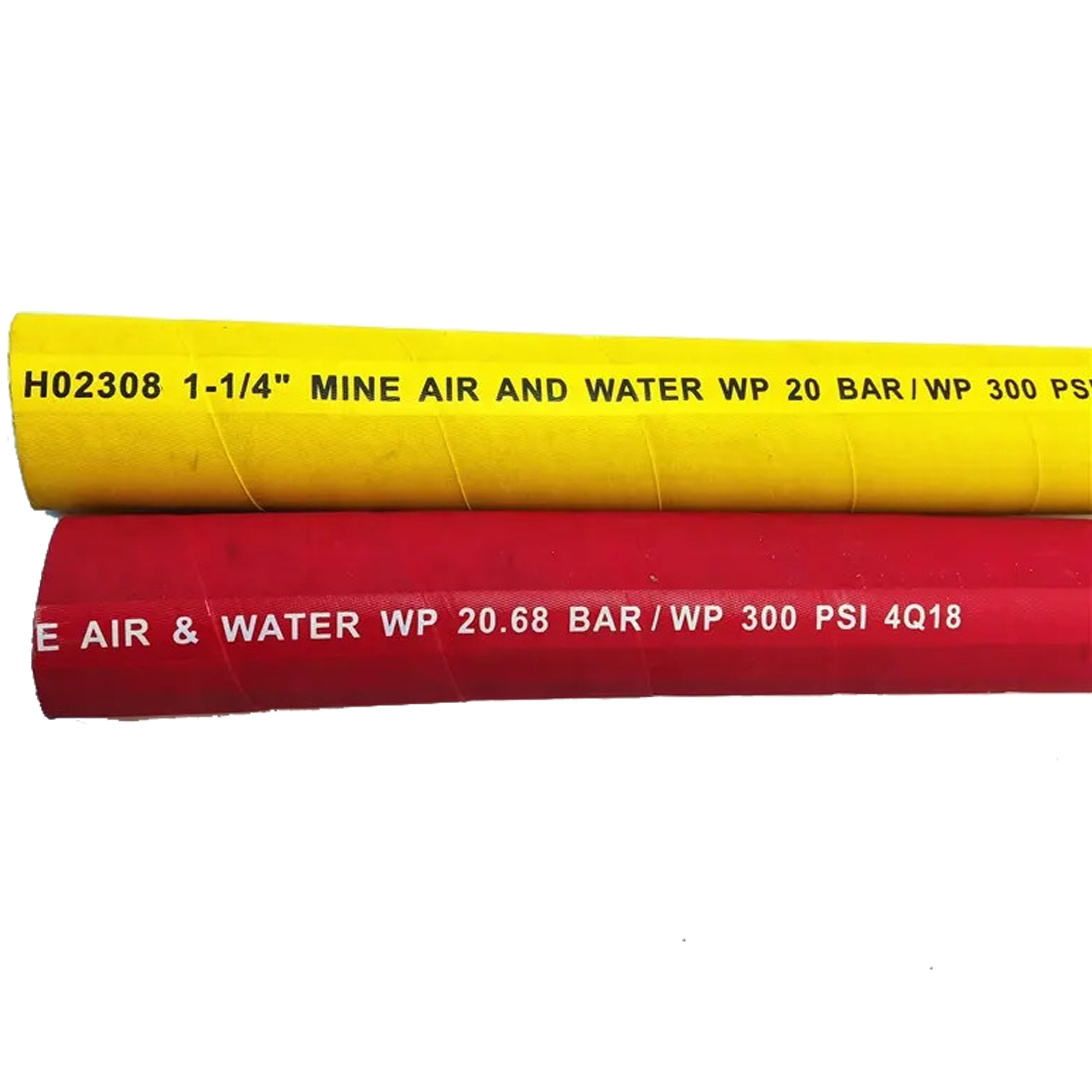
The construction of a hydraulic hose typically involves four key layers: the inner tube, reinforcement layers, outer cover, and in some cases, a bonding layer. The inner tube, responsible for fluid containment, is commonly composed of synthetic rubbers such as nitrile (NBR), chloroprene (CR), or ethylene propylene diene monomer (EPDM). NBR offers excellent resistance to petroleum-based hydraulic fluids, CR provides good resistance to heat and weathering, and EPDM excels in phosphate ester fluid compatibility. Reinforcement layers provide the hose's pressure-bearing capability. These layers commonly utilize high-tensile steel wire (single or multi-spiral), textile braids (typically polyester or aramid), or a combination thereof. The selection of reinforcement material is dictated by the desired working pressure and flexibility. The outer cover, protecting the reinforcement from abrasion, environmental factors, and fluid exposure, is generally composed of synthetic rubbers like CR or polyurethane (PUR). PUR offers superior abrasion resistance.
Manufacturing processes vary based on hose type. Braided hoses involve the continuous winding of textile fibers around a mandrel, followed by vulcanization – a chemical process using heat and pressure to cross-link the rubber compounds, achieving desired mechanical properties. Spiral-wound hoses utilize a wrapping process where pre-formed steel wire spirals are wound around the inner tube, followed by vulcanization. Key manufacturing parameters include wire tension, braid angle (for braided hoses), vulcanization temperature and time, and precise control of rubber compound formulations. Quality control involves rigorous testing of each layer and the finished hose for dimensional accuracy, tensile strength, burst pressure, and fluid compatibility. Proper bonding between layers is critical, achieved through surface preparation and adhesive application prior to vulcanization. The consistency of these processes directly impacts the hose’s performance and longevity.
Performance & Engineering
Hydraulic hose performance is governed by a complex interplay of factors, primarily pressure, temperature, fluid type, and environmental conditions. Force analysis considers both internal pressure acting radially on the inner tube and external mechanical loads (bending, flexing, abrasion). The hose must withstand these forces without deformation, leakage, or failure. Burst pressure, typically four times the working pressure, represents the maximum pressure the hose can withstand before catastrophic failure. Temperature range is crucial, as both high and low temperatures can degrade rubber compounds, reducing flexibility and increasing the risk of cracking. Fluid compatibility is paramount; incompatible fluids can cause swelling, softening, or degradation of the inner tube, leading to leakage and failure.
Engineering considerations involve hose routing, bend radius, and protection from abrasion and kinking. Excessive bending or sharp turns can induce stress concentrations, reducing hose life. Abrasion protection, through the use of sleeves or guards, is essential in environments where the hose is exposed to abrasive surfaces. Kinking, caused by collapsing of the reinforcement layers, restricts fluid flow and can permanently damage the hose. Compliance with industry standards (SAE, EN, DIN) dictates minimum performance requirements for pressure rating, temperature range, and fluid compatibility. Finite element analysis (FEA) is increasingly used during the design phase to optimize hose geometry and reinforcement structure, ensuring maximum performance and reliability under various operating conditions. Proper end fitting selection and installation are also crucial, ensuring a secure and leak-free connection.
Technical Specifications
| Parameter | SAE 100R1AT | SAE 100R2AT | DIN EN 853 1SN | DIN EN 857 1SC |
|---|---|---|---|---|
| Working Pressure (PSI) | 600 | 1200 | 315 bar (4569 PSI) | 400 bar (5801 PSI) |
| Burst Pressure (PSI) | 2400 | 4800 | 1275 bar (18500 PSI) | 1600 bar (23200 PSI) |
| Temperature Range (°F) | -40 to +212 | -40 to +212 | -40 to +100 | -40 to +100 |
| Inner Tube | NBR | NBR | NBR | NBR |
| Reinforcement | Single Wire Braid | Double Wire Braid | Single Steel Wire Spiral | Single Steel Wire Spiral |
| Outer Cover | CR | CR | CR | CR |
Failure Mode & Maintenance
Hydraulic hose failures can stem from a variety of causes. Fatigue cracking, particularly in areas of high flexure, is a common failure mode resulting from repeated stress cycles. Delamination, the separation of reinforcement layers from the inner tube or outer cover, can occur due to poor bonding or exposure to incompatible fluids. Extrusion, the protrusion of reinforcement wires through the rubber cover, is often caused by excessive pressure or degradation of the cover material. Abrasion leads to wear of the outer cover, exposing the reinforcement layers to corrosion and ultimately causing failure. Oxidation, caused by exposure to oxygen and ozone, can harden and crack the rubber compounds. Internal corrosion, resulting from moisture ingress or incompatible fluids, can degrade the inner tube.
Preventive maintenance is crucial to maximizing hose life. Regular visual inspections should identify signs of wear, abrasion, cracking, or leakage. Hose routing should be optimized to minimize bending and abrasion. Proper end fitting installation, ensuring correct torque and seating, is essential. Fluid compatibility should be verified, and contaminated fluid should be filtered. Hoses should be replaced at recommended intervals, even if no visible damage is present. When replacing hoses, ensure the new hose meets or exceeds the original specifications. Correct storage of hoses – away from direct sunlight, ozone sources, and extreme temperatures – is essential to prevent premature degradation. Detailed records of hose replacements and inspections should be maintained for tracking and analysis.
Industry FAQ
Q: What is the significance of the "dash size" in hydraulic hose specifications?
A: The "dash size" refers to the inner diameter of the hose in sixteenths of an inch. For example, a -10 hose has a 10/16" (5/8") inner diameter. This is a crucial parameter for ensuring proper flow rate and minimizing pressure drop in the hydraulic system. Incorrect dash size can lead to inefficient operation or system failure.
Q: How does the reinforcement type impact hose performance?
A: Reinforcement type directly affects the hose's pressure rating and flexibility. Spiral-wound reinforcement (typically steel wire) provides higher pressure capacity and is suitable for demanding applications, but generally offers less flexibility. Braided reinforcement (textile or wire) provides good pressure capacity with greater flexibility, making it suitable for applications with tight bends.
Q: What are the implications of using an incompatible hydraulic fluid with a particular hose?
A: Using an incompatible fluid can cause the inner tube to swell, soften, or degrade. This leads to leakage, reduced hose life, and potential system failure. Always verify fluid compatibility with the hose manufacturer's specifications before use.
Q: What are the best practices for storing hydraulic hoses to prevent premature failure?
A: Hydraulic hoses should be stored in a cool, dry, dark place, away from direct sunlight, ozone sources (e.g., electric motors), and extreme temperatures. Hoses should be coiled loosely, avoiding sharp bends. They should also be protected from physical damage and contamination.
Q: How do I determine the appropriate safety factor when selecting a hydraulic hose?
A: A safety factor of 4:1 is generally recommended, meaning the burst pressure of the hose should be at least four times the maximum working pressure of the system. However, the appropriate safety factor may vary depending on the application and operating conditions. Consideration should also be given to pressure spikes and dynamic loads.
Conclusion
The selection and application of hydraulic hoses are critical to the reliable and safe operation of hydraulic systems. Understanding the material science, manufacturing processes, performance characteristics, and potential failure modes is essential for making informed decisions. OEM China hydraulic hose manufacturers offer a diverse range of solutions tailored to specific application needs, emphasizing customization and quality control. Proper maintenance, including regular inspections and fluid compatibility verification, is paramount to maximizing hose life and preventing catastrophic failures.
As hydraulic systems become increasingly complex and operate in more demanding environments, advancements in hose technology will continue to focus on improving pressure ratings, temperature resistance, abrasion resistance, and fluid compatibility. The implementation of predictive maintenance strategies, utilizing sensor technology and data analytics, will further enhance hose reliability and reduce downtime. A continued emphasis on adherence to international standards and best practices will ensure the safe and efficient operation of hydraulic systems across all industries.