
Apr . 01, 2024 17:55 Back to list
oem car washing hose Performance Analysis
Introduction
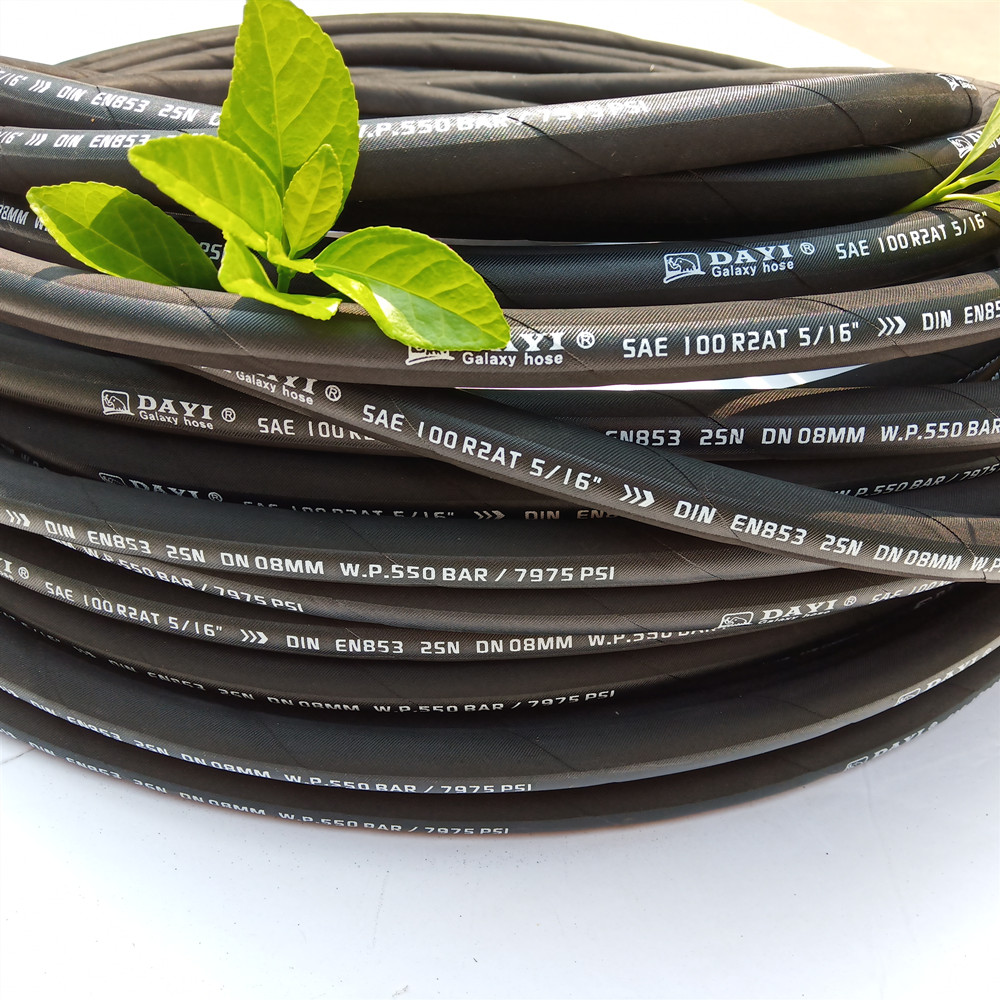
OEM car washing hoses are critical components in vehicle washing systems, designed to deliver water under pressure to facilitate cleaning. Positioned within the automotive aftermarket supply chain, these hoses represent a significant cost and performance consideration for both vehicle manufacturers and detailing service providers. Core performance characteristics include burst pressure, kink resistance, abrasion resistance, and compatibility with various cleaning agents. The industry faces challenges in balancing cost-effectiveness with longevity and preventing material degradation due to UV exposure and chemical attack. Modern hoses increasingly incorporate advanced polymer blends and reinforcement structures to address these concerns and meet stringent OEM specifications. The primary objective is a reliable, durable product ensuring consistent water delivery and minimizing downtime.
Material Science & Manufacturing
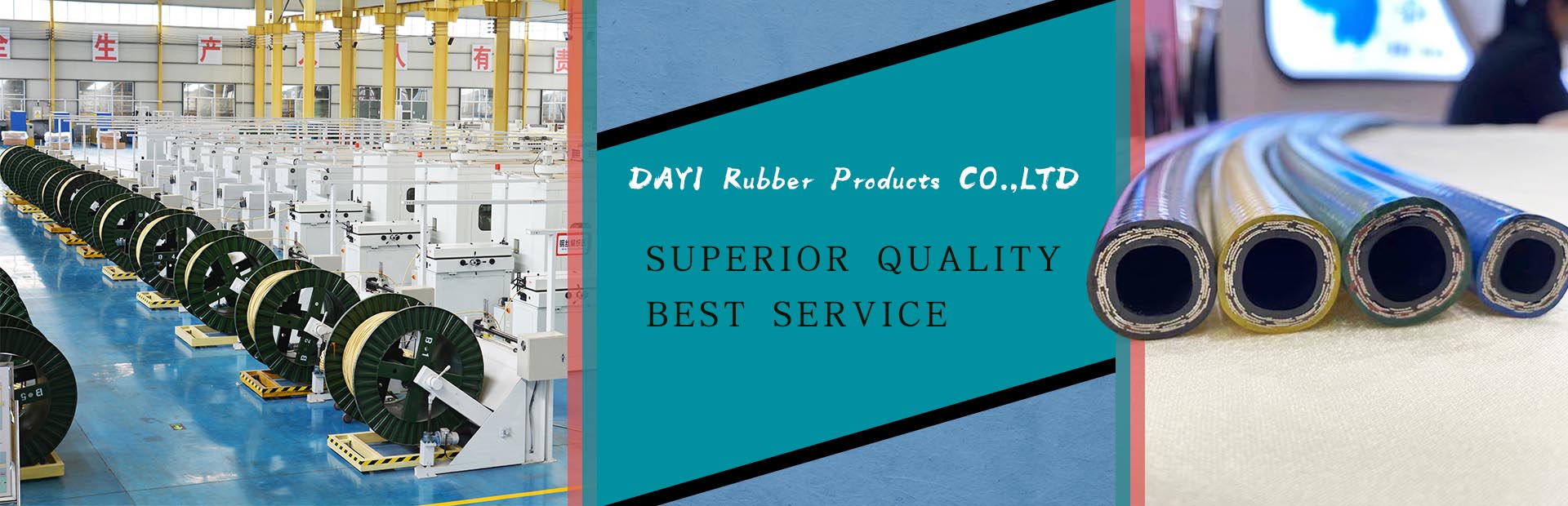
The composition of OEM car washing hoses typically involves a multi-layered structure. The inner tube is commonly constructed from a thermoplastic elastomer (TPE) such as Styrene-Butadiene Rubber (SBR) or Polyvinyl Chloride (PVC) chosen for its flexibility and water impermeability. SBR offers superior flexibility at low temperatures but exhibits lower chemical resistance compared to PVC. The reinforcement layer, crucial for withstanding high pressures, utilizes a braided or spiraled textile or steel wire. Polyester and nylon are common textile choices, providing a balance between tensile strength and cost. Steel wire reinforcement offers the highest burst pressure capability but introduces increased weight and potential for corrosion. The outer cover is generally made from a polypropylene (PP) or a thermoplastic polyurethane (TPU) compound, providing abrasion resistance, UV protection, and a tactile grip. Manufacturing processes typically include extrusion of the inner tube and outer cover, followed by the application of the reinforcement layer. Precise control of extrusion temperatures, screw speeds, and die geometry is essential to ensure uniform wall thickness and consistent material properties. Braiding or spiraling of the reinforcement is automated, ensuring accurate pitch and consistent coverage. Post-processing includes quality control checks for burst pressure, dimensional accuracy, and visual defects. Chemical compatibility testing of the inner tube material with common car wash detergents is a critical step, verifying long-term performance and preventing swelling or degradation.
Performance & Engineering
Performance of car washing hoses is dictated by several engineering principles. Burst pressure, determined by the reinforcement layer and hose diameter, is a primary safety parameter. Force analysis involves calculating hoop stress in the hose wall under internal pressure, utilizing the thin-walled cylinder formula (σ = Pr/t, where σ is hoop stress, P is pressure, r is radius, and t is wall thickness). Kink resistance is engineered through optimized hose construction and outer cover materials; a tightly woven outer cover with a specific durometer minimizes the tendency to collapse under bending stress. Abrasion resistance is directly linked to the outer cover material’s hardness and resistance to particle impingement. Environmental resistance necessitates UV stabilization additives in the outer cover formulation to prevent polymer chain scission and embrittlement. Compliance requirements, such as REACH and RoHS, necessitate stringent control of hazardous substances in the hose composition. Functional implementation demands consistent inner diameter to ensure stable water flow and compatibility with various nozzle fittings. Fatigue life, assessed through cyclical pressure testing, is a critical parameter impacting long-term reliability. The hose must withstand repeated pressure fluctuations without exhibiting cracking or leaks. Proper fitting selection and installation procedures are crucial to maximizing hose lifespan and preventing premature failure.
Technical Specifications
| Parameter | Unit | Standard OEM Specification | Typical Range |
|---|---|---|---|
| Burst Pressure | MPa | Minimum 2.0 | 2.0 – 4.0 |
| Working Pressure | MPa | Maximum 1.0 | 0.3 – 1.0 |
| Inner Diameter | mm | 12.7 ± 0.2 | 8 - 16 |
| Outer Diameter | mm | 19.1 ± 0.3 | 14 - 25 |
| Tensile Strength | MPa | Minimum 15 | 15 – 25 |
| Elongation at Break | % | Minimum 300 | 300 – 500 |
Failure Mode & Maintenance
Common failure modes in OEM car washing hoses include fatigue cracking at the reinforcement layer due to repeated pressure cycling, delamination between layers caused by inadequate adhesion, and degradation of the outer cover due to UV exposure and chemical attack. Abrasion damage from contact with rough surfaces can lead to localized wear and eventual rupture. Kinking can cause localized stress concentrations and promote cracking. Internal corrosion of steel wire reinforcement (if present) can significantly reduce hose strength. Failure analysis typically involves visual inspection for cracks and delamination, pressure testing to identify leak points, and microscopic examination of fractured surfaces to determine the root cause. Maintenance practices should include regular visual inspection for signs of wear and damage, avoiding sharp bends and kinks during use, and rinsing the hose thoroughly after each use to remove detergent residues. Storage in a cool, dry place away from direct sunlight is crucial to minimize UV degradation. If cracks or leaks are detected, the hose should be replaced immediately. Periodically checking the hose for flexibility and stiffness can indicate early signs of material degradation. Avoid using abrasive cleaning agents on the outer cover, as these can accelerate wear.
Industry FAQ
Q: What is the impact of water temperature on hose lifespan?
A: Elevated water temperatures can accelerate the degradation of the hose material, particularly the inner tube. Prolonged exposure to hot water can cause softening, swelling, and ultimately, failure. Hose materials are typically rated for a maximum operating temperature; exceeding this limit will significantly reduce service life.
Q: How does the choice of reinforcement material affect hose weight and flexibility?
A: Steel wire reinforcement provides the highest burst pressure but results in a heavier and less flexible hose. Textile reinforcement (polyester or nylon) offers a lighter weight and greater flexibility but with a lower burst pressure rating. The optimal choice depends on the specific application requirements.
Q: What types of chemicals commonly used in car washes are detrimental to hose materials?
A: Highly alkaline detergents, solvents, and strong oxidizing agents can degrade the inner tube material, leading to swelling, cracking, and reduced flexibility. Compatibility testing with specific cleaning agents is crucial to ensure long-term performance.
Q: How is kink resistance measured and improved in car washing hoses?
A: Kink resistance is typically assessed through a standardized bending test, measuring the force required to induce a kink. Improvement strategies include optimizing hose construction, using a tightly woven outer cover with appropriate durometer, and incorporating anti-kink coils.
Q: What are the key considerations for selecting a hose fitting to ensure a leak-proof connection?
A: Fitting material compatibility with the hose material is critical to prevent corrosion and ensure a secure seal. Proper clamp tightening torque is essential; under-tightening can lead to leaks, while over-tightening can damage the hose. The fitting’s diameter must match the hose’s inner diameter for a secure connection.
Conclusion
OEM car washing hoses represent a complex interplay of material science, manufacturing precision, and engineering design. Achieving optimal performance necessitates careful selection of materials, rigorous quality control during production, and a thorough understanding of potential failure modes. The critical parameters—burst pressure, kink resistance, abrasion resistance, and chemical compatibility—must be precisely balanced to meet the demanding requirements of modern car washing systems.
Future developments in this field will likely focus on the incorporation of even more durable and environmentally friendly materials, such as bio-based polymers and recyclable thermoplastics. Advancements in hose construction techniques, like co-extrusion and optimized reinforcement configurations, will further enhance performance and longevity. Increased emphasis on predictive maintenance and condition monitoring utilizing sensor technologies will also play a role in minimizing downtime and extending hose service life.