
Apr . 01, 2024 17:55 Back to list
oem brand hydraulic hose manufacturers Performance Analysis
Introduction
OEM brand hydraulic hoses are critical components in fluid power systems across diverse industries, including construction, agriculture, manufacturing, and oil & gas. They serve as flexible conduits for transmitting hydraulic fluid to actuators, motors, and other hydraulic devices. Their performance directly impacts the efficiency, reliability, and safety of the overall system. This guide details the material science, manufacturing processes, performance characteristics, failure modes, and maintenance procedures associated with OEM-branded hydraulic hoses, providing a comprehensive resource for engineers, procurement managers, and maintenance personnel. The core performance metrics revolve around pressure rating, temperature range, fluid compatibility, and burst strength, all of which are tightly controlled during the manufacturing process to meet stringent industry requirements. A key industry pain point is ensuring consistent quality and adherence to specifications when sourcing from various OEM suppliers, demanding rigorous testing and quality control procedures.
Material Science & Manufacturing
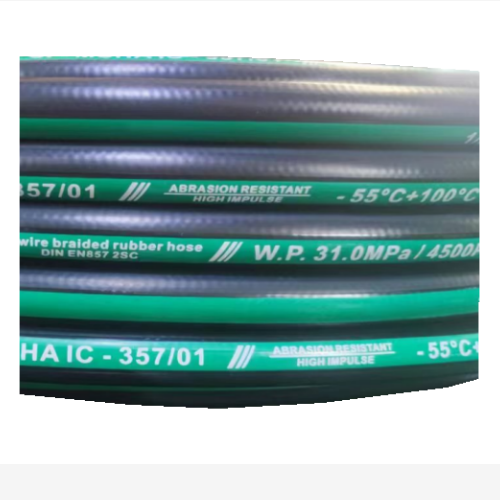
Hydraulic hoses are constructed from multiple layers, each contributing to specific performance characteristics. The inner tube, typically made from nitrile rubber (NBR), ethylene propylene diene monomer (EPDM), or polytetrafluoroethylene (PTFE), provides fluid resistance. NBR offers excellent resistance to petroleum-based fluids, while EPDM is superior for phosphate ester fluids and high-temperature applications. PTFE is used for highly corrosive fluids. The reinforcement layer, crucial for pressure handling, usually comprises multiple braids or spirals of high-strength steel wire. The number of layers directly correlates with the hose’s maximum working pressure. A protective outer cover, generally made from synthetic rubber like polyurethane or chloroprene, provides abrasion, ozone, and weathering resistance. Manufacturing processes vary depending on the hose type. Braided hoses are created by interweaving steel wires around a mandrel, followed by vulcanization with the inner tube and outer cover. Spiral hoses utilize a single, continuously wound steel wire, offering higher flexibility and pressure capabilities. Key parameter control during manufacturing includes wire tensile strength, rubber compound formulation (durometer, elongation at break), vulcanization temperature and time, and dimensional accuracy. Improper vulcanization can lead to rubber degradation and reduced hose life. The selection of materials is governed by fluid compatibility charts and operating conditions to prevent swelling, hardening, or chemical attack.
Performance & Engineering
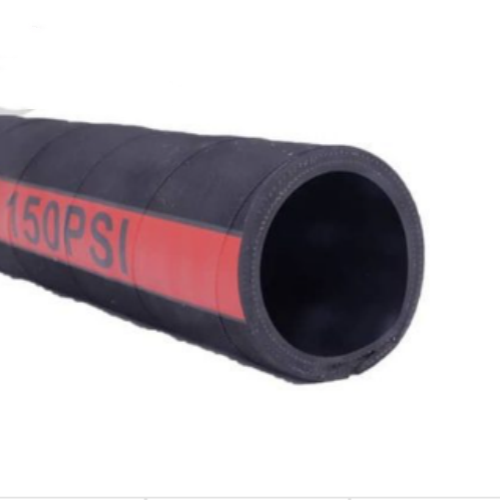
Hydraulic hose performance is fundamentally dictated by its ability to withstand internal pressure without failure. Force analysis involves calculating hoop stress within the hose wall under pressure, considering the reinforcement layer's contribution to tensile strength. Burst pressure is typically four times the working pressure, providing a safety factor. Environmental resistance is paramount; hoses must withstand temperature extremes, UV exposure, and exposure to various chemicals. Temperature cycling can cause rubber to expand and contract, potentially leading to fatigue failure. Fluid compatibility directly influences hose life; incompatible fluids can cause swelling, softening, or cracking. Compliance requirements are stringent, governed by standards such as SAE J517 (Hydraulic Hose – Performance Characteristics) and ISO 6899 (Rubber and plastics hoses and hose assemblies for vehicles – Performance requirements). Functional implementation necessitates proper hose routing, avoiding sharp bends and direct contact with abrasive surfaces. Fitting selection is critical; improper fittings can cause leaks or premature failure. Considerations include fitting material compatibility (e.g., steel, brass, stainless steel) and crimp quality. Fatigue life is heavily impacted by pressure pulsations; damping the pulsations with accumulators or pulsation dampeners extends hose service life.
Technical Specifications
| Parameter | Unit | Typical Value (NBR Inner Tube, Steel Wire Reinforcement, Polyurethane Cover) | Testing Standard |
|---|---|---|---|
| Working Pressure | PSI | 2000-5000 | SAE J517 |
| Burst Pressure | PSI | 8000-20000 | SAE J517 |
| Temperature Range | °F | -40 to +212 | SAE J517 |
| Inner Tube Material | - | Nitrile Rubber (NBR) | ASTM D2000 |
| Reinforcement Material | - | High-Tensile Steel Wire | ASTM A938 |
| Cover Material | - | Polyurethane | ASTM D2000 |
Failure Mode & Maintenance
Hydraulic hose failure can manifest in several ways. Fatigue cracking, initiated by repeated pressure cycling, often occurs at the crimp junction or within the reinforcement layer. Delamination, separation of layers, is commonly caused by inadequate bonding during manufacturing or exposure to incompatible fluids. Abrasion and weathering can degrade the outer cover, exposing the reinforcement layer to corrosion. Internal erosion can occur due to particulate contamination in the hydraulic fluid. Oxidation of the rubber compounds leads to hardening and cracking. Proper maintenance is crucial for extending hose life. Regular visual inspections should identify signs of abrasion, cracking, or swelling. Pressure testing can detect leaks. Fluid analysis helps identify contamination and compatibility issues. Avoid sharp bends and kinking. Ensure proper support to prevent chafing. Replace hoses at recommended intervals, even if no visible damage is present. When replacing hoses, use only compatible fittings and ensure proper crimping. Consider using hose guards to protect against abrasion and impact. Implement a preventative maintenance schedule based on operating conditions and fluid type.
Industry FAQ
Q: What is the primary difference between a braided and a spiral hydraulic hose in terms of application?
A: Braided hoses are typically used for lower to medium pressure applications requiring flexibility. They're suitable for general hydraulic systems. Spiral hoses, with their single, wound wire reinforcement, handle significantly higher pressures and offer greater flexibility, making them ideal for applications with severe bending requirements, such as construction equipment or agricultural machinery.
Q: How does the selection of the inner tube material impact the longevity of the hose?
A: The inner tube material must be chemically compatible with the hydraulic fluid. Using an incompatible material will lead to swelling, softening, or cracking of the tube, resulting in premature failure. For example, NBR is excellent for petroleum-based fluids, while EPDM is better for phosphate ester fluids.
Q: What are the key factors to consider when selecting hydraulic hose fittings?
A: Fitting material compatibility with the fluid and hose, proper crimp quality, and the correct thread type and size are crucial. Using incorrect fittings can lead to leaks, hose separation, or even catastrophic failure. Ensure the fitting pressure rating matches or exceeds the hose’s working pressure.
Q: What preventative maintenance steps can be taken to minimize hydraulic hose failures?
A: Regular visual inspections for abrasion, cracking, and leaks are essential. Implement a fluid analysis program to monitor contamination levels. Avoid sharp bends and kinking. Provide adequate support to prevent chafing. Replace hoses based on a predetermined schedule or when damage is detected.
Q: How do pressure pulsations affect hydraulic hose lifespan, and what mitigation strategies are available?
A: Pressure pulsations create cyclical stress on the hose, leading to fatigue failure. Mitigation strategies include using pulsation dampeners, accumulators, or hoses specifically designed for pulsating systems. Reducing the amplitude and frequency of pulsations extends hose life significantly.
Conclusion
OEM brand hydraulic hoses are engineered components requiring a thorough understanding of material science, manufacturing processes, and operational requirements. The selection of appropriate materials, coupled with rigorous quality control during manufacturing, is paramount to ensuring reliable performance and preventing premature failure. Understanding the potential failure modes and implementing a comprehensive preventative maintenance program are essential for maximizing hose lifespan and minimizing downtime.
The future of hydraulic hose technology will likely focus on developing more durable and chemically resistant materials, as well as incorporating smart sensing capabilities for real-time monitoring of hose condition and performance. Further advancements in manufacturing techniques will enable the production of lighter, more flexible, and higher-pressure-rated hoses, meeting the evolving demands of modern hydraulic systems. Adherence to international standards remains a crucial aspect of maintaining quality and ensuring safety within the industry.