
Apr . 01, 2024 17:55 Back to list
oem brand hydraulic hose factories Performance Analysis
Introduction
Hydraulic hoses manufactured by OEM brands are critical components in fluid power systems across diverse industries, including construction, agriculture, manufacturing, and automotive. These hoses are engineered to transmit hydraulic fluid under high pressure, facilitating the operation of machinery and equipment. Unlike standardized, off-the-shelf hoses, OEM hoses are often custom-designed and manufactured to meet specific application requirements, encompassing factors such as pressure ratings, temperature resistance, fluid compatibility, and dimensional constraints dictated by the original equipment manufacturer. A primary concern for procurement managers is ensuring the hydraulic hose provides reliable performance and longevity, minimizing downtime and maintaining operational safety. The core performance criteria revolve around burst pressure, working pressure, fatigue resistance, and compatibility with the hydraulic fluid in use. This guide details the material science, manufacturing processes, performance characteristics, failure modes, and relevant standards associated with OEM brand hydraulic hoses.
Material Science & Manufacturing
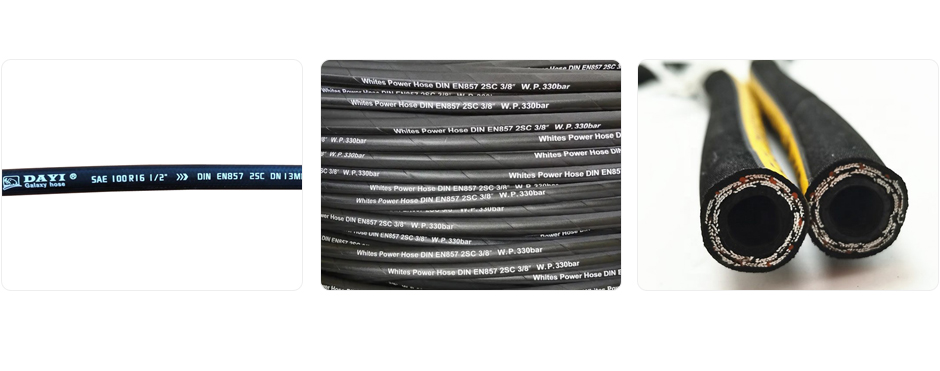
OEM hydraulic hoses are constructed from a layered system of materials, each contributing to specific performance attributes. The inner tube, the layer in direct contact with the hydraulic fluid, is commonly composed of synthetic rubbers such as nitrile rubber (NBR), ethylene propylene diene monomer (EPDM), or fluorocarbon (FKM, Viton). NBR offers excellent resistance to petroleum-based fluids, while EPDM excels in phosphate ester fluid compatibility and high-temperature applications. FKM provides superior resistance to aggressive chemicals and extreme temperatures, but comes at a higher cost. The reinforcement layer dictates the hose’s pressure capacity and is typically made of braided high-tensile steel wire, spiral-wound steel wire, or synthetic fiber (aramid or polyester). Steel braid provides high burst strength and kink resistance, while spiral construction is suited for higher pressures and flexibility. The outer cover, providing environmental protection and abrasion resistance, usually utilizes synthetic rubbers like chloroprene (CR) or polyurethane (PU). Manufacturing processes begin with extrusion of the inner tube, followed by the application of the reinforcement layer through braiding or winding machines. Precise tension control during reinforcement application is paramount, as it directly impacts the hose’s burst pressure. The outer cover is then extruded over the reinforcement layer. Quality control measures throughout the process include dimensional checks, pressure testing (hydrostatic testing), and visual inspection for defects. Post-manufacturing processes often involve specialized fitting attachment, typically crimped onto the hose using precision tooling, ensuring a leak-proof seal.

Performance & Engineering
The performance of an OEM hydraulic hose is governed by a complex interplay of material properties and engineering design. Force analysis under pressure dictates the stresses experienced by each hose layer. Burst pressure, the maximum pressure the hose can withstand before failure, is a critical design parameter determined by reinforcement layer strength and hose dimensions. Working pressure, typically 50-75% of burst pressure, represents the safe operating limit. Fatigue resistance is equally important, as hydraulic hoses are subjected to cyclical pressure fluctuations during operation. Finite Element Analysis (FEA) is often employed to model stress distributions and predict fatigue life. Environmental resistance is another key consideration. Exposure to extreme temperatures, UV radiation, ozone, and corrosive fluids can degrade hose materials over time. Material selection and the incorporation of UV stabilizers and antioxidants are crucial for enhancing durability. Compliance requirements, such as those mandated by SAE International (SAE J517, SAE J1926) and EN standards (EN 853, EN 857), dictate minimum performance specifications and testing procedures. The geometry of the hose, including its bore diameter and bend radius, also affects flow characteristics and pressure drop. Proper hose routing and support are essential to prevent kinking, abrasion, and excessive bending stresses.
Technical Specifications
| Parameter | Unit | Typical Value (NBR Inner Tube, Steel Braid Reinforcement, CR Cover) | Testing Standard |
|---|---|---|---|
| Working Pressure | MPa | 20 | SAE J517 |
| Burst Pressure | MPa | 80 | SAE J517 |
| Temperature Range | °C | -40 to +100 | SAE J517 |
| Inner Tube Material | - | Nitrile Rubber (NBR) | ASTM D2000 |
| Reinforcement Layer | - | Steel Braid (2:1 Safety Factor) | SAE J1926 |
| Outer Cover Material | - | Chloroprene (CR) | ASTM D2000 |
Failure Mode & Maintenance
Hydraulic hose failures can result in costly downtime, safety hazards, and environmental damage. Common failure modes include burst failure due to exceeding pressure limits, fatigue cracking caused by cyclical pressure fluctuations, abrasion of the outer cover leading to reinforcement exposure, and chemical degradation of the inner tube due to fluid incompatibility. Pinholes in the inner tube can occur due to internal corrosion or manufacturing defects. Kinking, resulting from excessive bending, can restrict flow and damage the reinforcement layer. Failure analysis often reveals root causes related to improper installation, exceeding operating parameters, or inadequate maintenance. Regular inspection is crucial for identifying potential problems. This includes visual checks for abrasion, cracking, bulging, and leaks. Hose assemblies should be replaced if any signs of damage are detected. Proper hose routing and support are essential to prevent kinking and abrasion. Maintaining hydraulic fluid cleanliness is also critical, as contaminants can accelerate hose degradation. Periodically flushing the hydraulic system and replacing filters are recommended maintenance practices. Crimped fittings should be inspected for proper attachment and tightness. Consider implementing a hose management program to track hose age, usage, and maintenance history.
Industry FAQ
Q: What are the key differences between spiral-wound and braided hose reinforcement, and when should each be specified?
A: Braided reinforcement provides excellent kink resistance and is generally preferred for applications with frequent bending or vibration. Spiral-wound reinforcement offers higher pressure ratings and greater flexibility, making it suitable for long runs and applications requiring minimal bend radius. Spiral hose is also more resistant to torsional stresses. The choice depends on the specific pressure, bend radius, and environmental conditions of the application.
Q: How does hydraulic fluid type affect hose selection and longevity?
A: Different hydraulic fluids have varying chemical properties. Petroleum-based fluids are compatible with NBR, while phosphate ester fluids require EPDM. Fluorocarbon (FKM) offers broad compatibility but is essential for aggressive fluids like synthetic esters. Incorrect fluid compatibility can lead to swelling, softening, or cracking of the inner tube, resulting in premature failure. Always consult the hose manufacturer's compatibility chart.
Q: What are the implications of exceeding the minimum bend radius specified for a hydraulic hose?
A: Exceeding the minimum bend radius can induce excessive stress on the hose reinforcement, leading to fatigue cracking and eventual failure. Kinking can also occur, restricting flow and damaging the inner tube. Proper hose routing and support are essential to maintain the specified bend radius.
Q: What testing procedures are used to verify the performance of OEM hydraulic hoses?
A: Common testing procedures include hydrostatic testing (burst pressure verification), impulse testing (fatigue resistance assessment), and temperature cycling. Other tests may include fluid compatibility testing, abrasion resistance testing, and ozone exposure testing. Testing is typically conducted according to SAE J517 and EN 853 standards.
Q: How important is proper crimping of hose fittings, and what are the potential consequences of improper crimping?
A: Proper crimping is critical for creating a leak-proof seal and ensuring the hose assembly’s structural integrity. Under-crimping can lead to leakage, while over-crimping can damage the hose reinforcement. Crimping should be performed using calibrated crimping machines and fittings specifically designed for the hose and fitting combination. Regular inspection of crimped fittings is recommended.
Conclusion
OEM brand hydraulic hoses represent a specialized segment of fluid power components, demanding rigorous material selection, precise manufacturing, and thorough performance validation. Their critical role in ensuring the reliable operation of complex machinery necessitates a deep understanding of the underlying principles of material science, engineering mechanics, and industry standards. The longevity and performance of these hoses are intricately linked to appropriate fluid compatibility, proper installation practices, and consistent maintenance protocols.
Moving forward, advancements in hose technology will likely focus on developing lighter-weight materials, enhancing resistance to extreme environments, and integrating sensor technologies for real-time monitoring of hose condition. Implementing proactive hose management programs, coupled with a commitment to quality control throughout the manufacturing and supply chain, will remain paramount for maximizing operational efficiency and minimizing risks associated with hydraulic system failures.