
Apr . 01, 2024 17:55 Back to list
oem blue hydraulic hose Performance Analysis
Introduction
OEM blue hydraulic hose represents a critical component in fluid power systems across numerous industries including construction, agriculture, manufacturing, and material handling. This guide provides a comprehensive technical overview of these hoses, focusing on their construction, material science, performance characteristics, potential failure modes, and relevant industry standards. Unlike standardized hydraulic hose, OEM versions are often engineered to specific customer requirements, demanding a thorough understanding of their nuanced properties and limitations. The primary function of a hydraulic hose is the safe and efficient transmission of hydraulic fluid under pressure to actuators and other components. Core performance indicators include pressure rating, temperature range, fluid compatibility, and resistance to abrasion and kinking. A key industry pain point revolves around ensuring long-term reliability and preventing catastrophic failures resulting from hose degradation or improper installation. This guide aims to provide engineers, procurement managers, and maintenance personnel with the knowledge necessary to select, implement, and maintain OEM blue hydraulic hoses effectively.
Material Science & Manufacturing
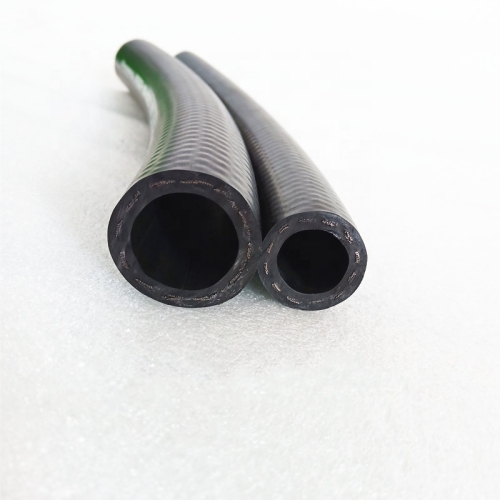
OEM blue hydraulic hoses are typically constructed from several layers, each contributing to specific performance characteristics. The innermost layer, the tube, is generally composed of synthetic rubber compounds such as nitrile rubber (NBR), chloroprene rubber (CR), or ethylene propylene diene monomer (EPDM). NBR exhibits excellent resistance to petroleum-based hydraulic fluids, making it a common choice for general-purpose applications. CR offers improved resistance to heat and aging. EPDM provides superior resistance to weathering and ozone. The reinforcement layer provides the hose's strength and pressure-bearing capacity. This layer commonly utilizes multiple plies of high-tensile steel wire, often spirally wound or braided. The number and configuration of these wires directly influence the hose’s working pressure. An intermediate cover layer may be present, consisting of a synthetic rubber blend to improve bonding between the reinforcement and the outer cover. Finally, the outer cover is typically made of a weather-resistant synthetic rubber like polyurethane or a specially formulated PVC. Manufacturing processes include extrusion for the tube and cover, followed by reinforcement application using winding or braiding machines. Key parameter control during manufacturing involves precise control of rubber compound mixing ratios, wire tension during braiding/winding, and vulcanization temperatures and times. Inconsistent vulcanization can lead to variations in rubber hardness and reduced hose lifespan. Dimensional accuracy of the tube and cover is critical for proper fitting compatibility. Chemical compatibility testing of the tube material with intended hydraulic fluids is a mandatory quality control step.

Performance & Engineering
The performance of an OEM blue hydraulic hose is governed by several engineering principles. Burst pressure, working pressure, and safety factor are crucial parameters. Burst pressure represents the pressure at which the hose fails catastrophically, while working pressure is the maximum recommended operating pressure. The safety factor, typically 4:1, is the ratio of burst pressure to working pressure. Force analysis considers both internal pressure forces acting on the tube and external bending and tensile forces. Hose bending radius is a critical factor; exceeding the minimum bending radius can lead to kinking and premature failure. Environmental resistance is another important consideration. Exposure to extreme temperatures, UV radiation, ozone, and corrosive chemicals can degrade the hose materials over time. Hydraulic fluid compatibility is paramount. Incompatible fluids can cause swelling, softening, or cracking of the tube. Compliance requirements often dictate specific performance criteria based on the application. For example, hoses used in aerospace applications must meet stringent flammability and fluid resistance standards. Finite Element Analysis (FEA) is frequently used during the design phase to optimize hose geometry and reinforcement configuration to withstand anticipated stresses and strains. Fatigue analysis is also critical, especially for hoses subjected to cyclical pressure loading.
Technical Specifications
| Parameter | Unit | Typical Value (SAE 100R2 Equivalent) | OEM Customization Range |
|---|---|---|---|
| Working Pressure | PSI | 2250 | 1000-5000 |
| Burst Pressure | PSI | 6750 | 3000-15000 |
| Temperature Range | °F | -40 to +212 | -60 to +250 |
| Inner Tube Material | - | Nitrile Rubber (NBR) | NBR, CR, EPDM, PTFE |
| Reinforcement | Ply | 2 Wire Braid | 1-6 Wire Braid, Spiral Wire |
| Outer Cover Material | - | Polyurethane | Polyurethane, PVC, CPE |
Failure Mode & Maintenance
Hydraulic hose failure can manifest in several forms. Fatigue cracking is a common failure mode, resulting from repeated bending and pressure cycling. This often initiates at the hose's bend radius or at connection points. Abrasion damage can occur due to contact with abrasive surfaces, leading to wear and eventual perforation. Kinking, caused by exceeding the minimum bending radius, restricts fluid flow and can lead to localized stress concentrations and cracking. Permeation, the leakage of hydraulic fluid through the hose wall, is a concern with certain fluids and hose materials. Oxidation and degradation of the rubber compounds can occur due to exposure to heat, ozone, and UV radiation, resulting in loss of flexibility and cracking. Internal corrosion can occur if the hose is exposed to moisture and incompatible fluids. Maintenance strategies include regular visual inspections for signs of damage, such as cracks, abrasions, and swelling. Proper routing and support of the hose are crucial to prevent kinking and abrasion. Periodic pressure testing can identify leaks and potential weaknesses. Hose replacement should be performed at scheduled intervals or when signs of degradation are observed. Proper hose assembly, including correct crimping of fittings, is essential to ensure a reliable connection. Improper crimping can lead to fitting blow-off and fluid leakage. Routine fluid analysis can reveal contamination that accelerates hose degradation.
Industry FAQ
Q: What is the impact of hydraulic fluid type on hose selection?
A: The hydraulic fluid’s chemical compatibility with the hose tube material is paramount. Using an incompatible fluid can cause swelling, softening, or cracking of the tube, leading to premature failure. Phosphate ester fluids, for example, require specialized hose materials like PTFE or fluoroelastomers. Petroleum-based fluids are generally compatible with NBR, while fire-resistant fluids may require EPDM.
Q: How does temperature affect hydraulic hose performance?
A: Extreme temperatures can significantly impact hose performance. High temperatures accelerate rubber degradation and reduce the hose’s pressure rating. Low temperatures can decrease flexibility and increase the risk of cracking. It’s crucial to select a hose with a temperature range that encompasses the expected operating conditions.
Q: What are the best practices for hose routing to prevent damage?
A: Hose routing should avoid sharp bends, abrasive surfaces, and direct exposure to heat sources. Hoses should be adequately supported to prevent sagging and kinking. Using hose guards or sleeves can provide additional protection from abrasion and impact. Ensure sufficient clearance between the hose and moving parts.
Q: How important is proper crimping of hose fittings?
A: Proper crimping is absolutely critical. Incorrect crimping can lead to fitting blow-off, fluid leakage, and catastrophic hose failure. The crimp fitting must be specifically designed for the hose and fitting combination, and the crimping process must be performed by trained personnel using calibrated equipment.
Q: What are the key indicators that a hydraulic hose needs to be replaced?
A: Visible signs of damage such as cracks, abrasions, swelling, blistering, or cuts are clear indicators. Also, look for leaks, kinks, or reduced flexibility. If the hose has been exposed to excessive heat or incompatible fluids, it should be replaced regardless of its apparent condition.
Conclusion
OEM blue hydraulic hoses are engineered components demanding precise material selection, manufacturing control, and application understanding. Their performance is governed by a complex interplay of factors including pressure, temperature, fluid compatibility, and environmental conditions. Implementing robust maintenance practices, including regular inspections and timely replacement, is crucial for ensuring system reliability and preventing costly downtime.
The increasing demands for higher operating pressures, extended service life, and enhanced safety necessitate a continuous focus on material advancements and improved manufacturing techniques. Future trends are likely to include the development of more durable and chemically resistant hose materials, as well as the integration of sensor technologies for real-time monitoring of hose condition. Proper hose selection and maintenance remain foundational to the safe and efficient operation of hydraulic systems.