
Apr . 01, 2024 17:55 Back to list
oem black hydraulic hose Performance Analysis

Introduction
OEM black hydraulic hose is a reinforced flexible assembly designed to convey hydraulic fluid under pressure in a variety of industrial and mobile applications. It occupies a critical position in power transmission systems, serving as the vital conduit between pumps, valves, actuators, and reservoirs. Its performance directly impacts system efficiency, reliability, and safety. This guide provides a comprehensive overview of its material science, manufacturing processes, performance characteristics, potential failure modes, and relevant industry standards, addressing key concerns for procurement managers and engineers. Core performance parameters include burst pressure, working pressure, temperature range, and fluid compatibility. Modern hydraulic hose design focuses on minimizing weight, maximizing flexibility, and extending service life in demanding environments.
Material Science & Manufacturing
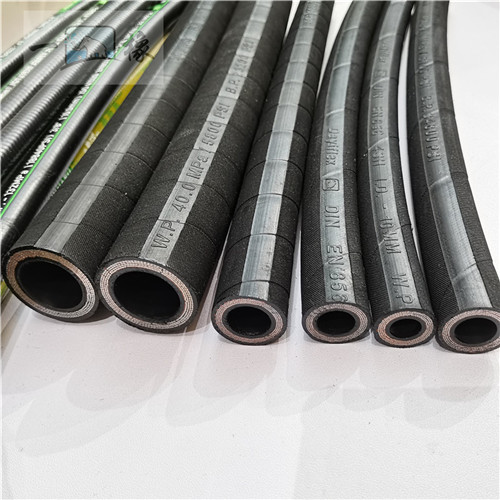
The primary components of an OEM black hydraulic hose are the inner tube, reinforcement layers, and outer cover. The inner tube is typically constructed from a synthetic rubber compound resistant to the specific hydraulic fluid being used. Common materials include nitrile rubber (NBR) for petroleum-based fluids, ethylene propylene diene monomer (EPDM) for phosphate ester fluids, and fluoropolymers (FKM) for aggressive chemicals and high temperatures. Reinforcement layers provide the hose’s pressure-bearing capability. These commonly comprise multiple braids of high-tensile steel wire, or single or multiple spiral windings of steel wire. The outer cover, usually a synthetic rubber such as polyurethane or neoprene, protects the reinforcement from abrasion, weather, ozone, and oil.
Manufacturing processes vary based on hose type and construction. Braided hoses are produced by passing steel wires through a braiding machine, forming a cylindrical braid that is then applied over the inner tube. Spiral-wound hoses utilize a continuous steel wire wound at a specific angle around the inner tube. Following reinforcement, the hose undergoes curing in an autoclave or vulcanization oven, solidifying the rubber compounds and bonding the layers together. Critical parameters during manufacturing include wire tension, braid angle, curing temperature, and pressure. Maintaining precise control over these parameters is vital to achieve consistent hose performance and prevent premature failure. Post-curing inspections involve dimensional checks, burst pressure testing, and leak testing to ensure quality control.
Performance & Engineering
Hydraulic hose performance is governed by several critical engineering principles. Burst pressure, the maximum pressure the hose can withstand before failure, is a key specification determined by reinforcement layer construction. Working pressure is significantly lower, typically a fraction of the burst pressure, representing the safe operating limit. Fatigue resistance, the ability to withstand repeated pressure cycles, is crucial for long-term reliability. Hose flexibility is dictated by the reinforcement structure and the rubber compound's properties; increased flexibility minimizes stress concentrations during bending. Temperature range is a significant consideration, as extreme temperatures can degrade rubber compounds and reduce hose life. Environmental resistance, including resistance to oil, chemicals, ozone, and UV radiation, is paramount in many applications.
Force analysis is critical in hose design. Internal pressure generates hoop stress in the hose wall. Bending introduces tensile and compressive stresses on the outer and inner surfaces, respectively. These stresses must be within the material's strength limits to prevent cracking or rupture. Compliance with industry standards such as SAE J517 and EN 856 ensures that hoses meet minimum performance requirements and safety standards. Hose end fittings also play a vital role in performance; improper crimping or fitting selection can lead to leaks or hose failure. Proper hose routing and support are also essential to minimize stress and abrasion.
Technical Specifications
| Parameter | Unit | SAE 100R2 AT | SAE 100R6 |
|---|---|---|---|
| Working Pressure | MPa | 34.5 | 21.0 |
| Burst Pressure | MPa | 103.4 | 63.0 |
| Temperature Range | °C | -40 to +100 | -40 to +100 |
| Inner Tube | Material | NBR | NBR |
| Reinforcement | Type | Two Steel Wire Braids | Four Steel Wire Spirals |
| Cover | Material | Neoprene | Neoprene |
Failure Mode & Maintenance
Common failure modes for OEM black hydraulic hoses include burst failure due to exceeding pressure limits, fatigue cracking from repeated bending and pressure cycles, abrasion from external contact, and degradation of rubber compounds due to exposure to heat, chemicals, or ozone. Pinholes can develop in the inner tube due to internal corrosion or damage. Fitting failure, such as crimp failure or thread stripping, is also a frequent cause of leaks. Analyzing failure modes requires careful examination of the fractured surface, identifying the root cause and implementing corrective actions.
Preventative maintenance is crucial to extend hose life. Regular visual inspections should be conducted to identify signs of abrasion, cracking, swelling, or leaks. Hose routing should be optimized to minimize bending and contact with abrasive surfaces. Properly sized and installed hose guards can provide additional protection. Fluid contamination can significantly accelerate hose degradation, so regular fluid filtration is essential. Hoses should be replaced at recommended intervals or when signs of damage are detected. When replacing hoses, it’s critical to use compatible fittings and ensure proper crimping according to manufacturer specifications. Documenting inspection and maintenance activities provides a valuable record for tracking hose performance and identifying potential issues.
Industry FAQ
Q: What is the impact of fluid incompatibility on hydraulic hose lifespan?
A: Fluid incompatibility is a major contributor to hose failure. Using a hydraulic fluid not recommended by the hose manufacturer can cause the inner tube to swell, soften, or degrade, leading to leaks and reduced pressure capacity. Certain fluids can also attack the reinforcement layers, compromising the hose's strength. Always verify fluid compatibility before installation.
Q: How does temperature affect the performance of a hydraulic hose?
A: Extreme temperatures can significantly impact hose performance. High temperatures accelerate the degradation of rubber compounds, reducing their flexibility and strength. Low temperatures can cause the rubber to become brittle and more susceptible to cracking. Operating outside the hose’s specified temperature range can lead to premature failure.
Q: What are the key differences between braided and spiral-wound hydraulic hoses?
A: Braided hoses offer excellent flexibility and are suitable for applications with tight bend radii. Spiral-wound hoses provide higher pressure ratings and improved kink resistance. The choice between the two depends on the specific application requirements. Spiral wound hoses are also generally more resistant to twisting.
Q: How critical is proper hose end crimping?
A: Proper hose end crimping is absolutely critical. An improperly crimped fitting can lead to leaks, hose blow-off, or damage to the hose. The crimp must create a secure and leak-proof connection between the hose and fitting without overstressing the hose wall. Using the correct crimping die and following manufacturer’s instructions are essential.
Q: What preventative maintenance steps should be taken to maximize hydraulic hose life?
A: Regular visual inspections, proper hose routing and support, fluid filtration, and adherence to recommended replacement intervals are key preventative maintenance steps. Protecting hoses from abrasion and chemical exposure is also crucial. Documenting maintenance activities helps track performance and identify potential problems.
Conclusion
OEM black hydraulic hose represents a crucial component in countless industrial systems, demanding meticulous attention to material selection, manufacturing quality, and operational maintenance. Understanding the interplay between material properties, pressure ratings, temperature limitations, and potential failure modes is vital for ensuring system reliability and safety. Careful consideration of these factors, coupled with adherence to relevant industry standards, will optimize hose performance and extend service life.
Future developments in hydraulic hose technology are focusing on lighter-weight materials, enhanced chemical resistance, and improved sensor integration for real-time condition monitoring. The increasing adoption of synthetic polymers and advanced reinforcement techniques promises to deliver hoses with superior performance characteristics and extended service intervals. Proactive maintenance programs and a thorough understanding of hose specifications will remain paramount for maximizing the return on investment and minimizing downtime.