
Apr . 01, 2024 17:55 Back to list
oem air hose Performance Analysis

Introduction
OEM air hose represents a critical component in pneumatic systems across diverse industrial applications, ranging from manufacturing and construction to automotive repair and material handling. These hoses facilitate the transfer of compressed air, essential for powering tools, operating machinery, and enabling automated processes. Unlike standardized retail hoses, OEM (Original Equipment Manufacturer) air hose is specifically engineered and manufactured to meet the precise performance requirements dictated by the equipment it serves. Its technical positioning within the industrial chain lies between the air compressor (air source) and the pneumatic tool or device, demanding robust construction to withstand pressure fluctuations, environmental stressors, and continuous use. Core performance characteristics include burst pressure, working pressure, flexibility, temperature resistance, and compatibility with the conveyed media (typically compressed air, but potentially including oils or water vapor). A key industry pain point centers around premature hose failure due to material degradation, inadequate pressure ratings, or improper hose selection for the operating environment, leading to costly downtime and safety hazards.
Material Science & Manufacturing
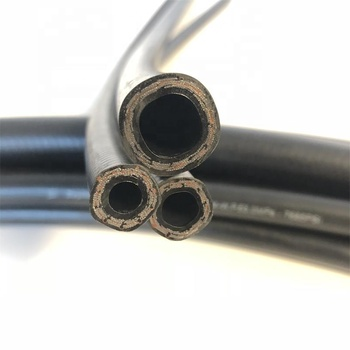
OEM air hose construction typically utilizes a layered design. The inner tube is commonly composed of synthetic rubbers, including nitrile rubber (NBR) for oil resistance, styrene-butadiene rubber (SBR) for general purpose applications, or ethylene propylene diene monomer (EPDM) for high-temperature and weather resistance. Material selection is paramount; NBR exhibits excellent resistance to petroleum-based products, while EPDM maintains flexibility and durability in extreme temperatures. The reinforcement layer, crucial for withstanding internal pressure, typically consists of a high-tensile strength textile braid (polyester or nylon are common) or a spiral-wound steel wire for applications requiring higher burst pressures. The outer cover provides abrasion resistance, UV protection, and overall durability, often utilizing a blend of PVC, polyurethane, or synthetic rubber. Manufacturing processes vary depending on hose type and complexity. Extrusion is fundamental, where the rubber compound is forced through a die to create a continuous tube. Braiding or winding processes follow to add reinforcement. Subsequent curing (vulcanization) via heat and pressure cross-links the polymer chains, enhancing strength, elasticity, and resistance to chemical degradation. Key parameter control includes maintaining precise temperature and pressure during vulcanization, consistent braid tension, and ensuring proper adhesion between layers. Improper curing can lead to reduced tensile strength and premature cracking, while inconsistent braid tension compromises burst pressure resistance. Chemical compatibility testing is a vital quality control step to confirm resistance to oils, solvents, and other potential contaminants.
Performance & Engineering
Performance analysis of OEM air hose hinges on several critical engineering considerations. Burst pressure, the maximum pressure the hose can withstand before rupture, is a primary specification, calculated using Barlow’s formula (P = 2St/D, where P=pressure, S=tensile strength, t=wall thickness, D=diameter). Working pressure is significantly lower, typically 50-70% of the burst pressure, providing a safety margin. Flexibility, quantified by bend radius, is crucial for ease of installation and maneuvering, affected by the materials and construction. Environmental resistance encompasses temperature range (operational and storage), UV exposure, ozone resistance, and resistance to hydraulic fluids. Fatigue analysis is essential; repeated flexing and pressurization induce cyclic stress, leading to fatigue cracking over time. Finite element analysis (FEA) is frequently employed to model stress distribution and predict hose lifespan under varying conditions. Compliance requirements are dictated by industry-specific standards and regulations (detailed in the footer). For example, in automotive applications, hoses must meet FMVSS 301 (Federal Motor Vehicle Safety Standard 301) for fuel system hoses, with analogous standards existing for pneumatic systems. Functional implementation often involves specifying appropriate fittings (quick-connect, threaded, etc.) compatible with the hose material and pressure requirements. Selecting incorrect fittings can lead to leaks or hose detachment, posing safety risks.
Technical Specifications
| Parameter | Unit | Standard Grade Hose | Premium Grade Hose |
|---|---|---|---|
| Working Pressure | PSI | 300 | 500 |
| Burst Pressure | PSI | 900 | 1500 |
| Temperature Range | °F | -40 to +180 | -40 to +212 |
| Inner Tube Material | - | SBR | NBR |
| Reinforcement | - | Polyester Braid | Spiral Steel Wire |
| Outer Cover Material | - | PVC | Polyurethane |
Failure Mode & Maintenance
Common failure modes in OEM air hose include burst failure due to exceeding pressure limits, fatigue cracking from repeated flexing, abrasion damage from contact with rough surfaces, kinking leading to localized stress concentrations, and degradation of the rubber compound due to exposure to UV radiation, ozone, or chemicals. Failure analysis often reveals the root cause. For instance, fatigue cracking typically exhibits a progressive pattern of micro-cracks initiating at the inner radius of a bend. Burst failure may indicate material defects or exceeding the specified working pressure. Abrasion damage is readily identifiable through visual inspection. Preventative maintenance is critical. Regular visual inspections for cuts, abrasions, and kinks are paramount. Hoses should be replaced immediately if damage is detected. Avoid sharp bends and ensure hoses are adequately supported to prevent kinking. Store hoses in a cool, dry, and dark environment to minimize UV and ozone degradation. Periodically check fittings for leaks and tighten as necessary. For hoses exposed to oils or chemicals, confirm material compatibility and replace hoses at recommended intervals. Proper hose routing, minimizing contact with hot surfaces or sharp edges, significantly extends service life. A proactive maintenance schedule minimizes downtime and prevents catastrophic failures.
Industry FAQ
Q: What is the impact of hose diameter on air flow and pressure drop?
A: Hose diameter significantly impacts air flow and pressure drop. Smaller diameters increase air velocity, resulting in higher pressure drop due to friction losses. Larger diameters reduce air velocity and pressure drop, but can also increase hose weight and cost. Selecting the appropriate diameter requires balancing flow requirements, acceptable pressure loss, and application constraints. Calculations based on Darcy-Weisbach equation or utilizing specialized hose sizing charts are recommended.
Q: How does temperature affect the performance of air hose?
A: Temperature extremes can significantly degrade air hose performance. High temperatures can soften the rubber compound, reducing tensile strength and increasing the risk of bursting. Low temperatures can reduce flexibility, increasing the risk of cracking. Material selection (e.g., EPDM for high-temperature applications) is crucial. Hoses should be operated within their specified temperature range to ensure optimal performance and longevity.
Q: What are the key considerations when selecting fittings for air hose?
A: Compatibility with the hose material and pressure rating is paramount. Fittings must be securely attached to the hose to prevent leaks or detachment. Consider the type of connection required (quick-connect, threaded, barbed, etc.) and the operating environment. Brass or stainless steel fittings are generally preferred for corrosion resistance. Ensure the fitting’s shank length provides adequate grip on the hose reinforcement.
Q: What is the difference between braided and spiral-wound reinforcement?
A: Braided reinforcement, typically polyester or nylon, provides uniform strength around the circumference of the hose and excellent flexibility. Spiral-wound reinforcement, commonly steel wire, offers higher burst pressure resistance and is better suited for applications requiring high pressure and minimal expansion. Spiral-wound hoses are generally less flexible than braided hoses.
Q: How can I extend the lifespan of my air hose?
A: Regular inspections, proper storage, avoiding kinking and sharp bends, using appropriate fittings, and operating within specified temperature and pressure limits are crucial. Protecting the hose from abrasion and exposure to UV radiation and chemicals will also significantly extend its service life. Implementing a preventative maintenance schedule is highly recommended.
Conclusion
OEM air hose is a deceptively complex component, its performance intricately linked to material science, manufacturing precision, and diligent engineering considerations. Selecting the appropriate hose necessitates a comprehensive understanding of operating conditions, pressure requirements, and environmental factors. The long-term reliability and safety of pneumatic systems heavily depend on utilizing hoses engineered to the requisite standards and implementing a robust maintenance program.
Future advancements in air hose technology are likely to focus on developing lighter-weight, more durable materials with improved resistance to abrasion, chemicals, and temperature extremes. The integration of smart sensors to monitor pressure, temperature, and hose condition in real-time will enable predictive maintenance, further minimizing downtime and enhancing safety. Continued refinement of manufacturing processes and adherence to stringent quality control standards will remain paramount.