
Apr . 01, 2024 17:55 Back to list
oem 6mm hydraulic hose Performance Analysis
Introduction
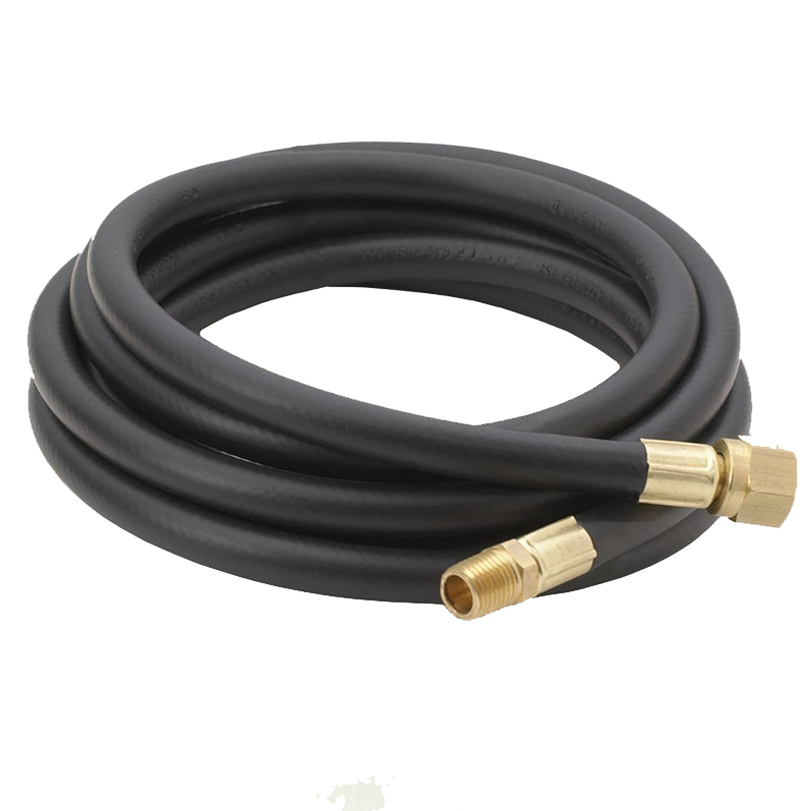
The OEM 6mm hydraulic hose is a critical component in fluid power systems, designed for the transmission of hydraulic fluid under high pressure. It occupies a central position within the industrial fluid conveyance chain, connecting pumps, valves, actuators, and other hydraulic components. This hose, defined by its 6mm internal diameter, is utilized across diverse applications including construction equipment, agricultural machinery, material handling systems, and industrial manufacturing. Core performance characteristics include pressure rating, burst pressure, temperature resistance, and fluid compatibility. The selection of an appropriate 6mm hydraulic hose is paramount to ensuring system reliability, safety, and operational efficiency, particularly in demanding environments where failures can lead to significant downtime and potential hazards. The industry currently faces challenges related to consistent material quality, achieving extended service life in harsh conditions, and meeting increasingly stringent environmental regulations concerning fluid containment.
Material Science & Manufacturing
The construction of a 6mm hydraulic hose typically involves several layers, each contributing to its overall performance. The inner tube, in direct contact with the hydraulic fluid, is commonly manufactured from nitrile rubber (NBR) or fluorocarbon rubber (FKM – Viton), selected for their resistance to petroleum-based fluids, abrasion, and temperature fluctuations. NBR offers a cost-effective solution for general-purpose hydraulic applications, while FKM provides superior resistance to aggressive fluids and high temperatures. Reinforcement layers, providing the hose's strength and pressure resistance, are typically braided from high-tensile steel wire. The number of braids directly correlates to the hose’s maximum working pressure. A spiral-wound reinforcement layer of steel wire may be used for higher pressure applications. The outer cover, protecting the reinforcement layers from abrasion, weathering, and chemical exposure, is usually composed of chloroprene rubber (CR) or polyurethane (PU).
Manufacturing processes commence with the extrusion of the inner tube using a continuous extrusion process, controlling parameters like die temperature, screw speed, and material feed rate to ensure consistent wall thickness and material homogeneity. The reinforcement layer is then applied via braiding or spiral winding, meticulously controlling wire tension and pitch to achieve the desired strength characteristics. The outer cover is subsequently extruded over the reinforcement. Post-extrusion processes include curing (vulcanization) – a critical step that cross-links the rubber polymers, enhancing elasticity, strength, and resistance to degradation. Quality control measures throughout the manufacturing process include dimensional checks, pressure testing, and material property analysis to verify compliance with industry standards and OEM specifications. Parameter control is vital; variations in curing temperature or reinforcement tension can significantly impact hose performance and lifespan.
Performance & Engineering
The performance of a 6mm hydraulic hose is governed by several engineering principles. Force analysis focuses on hoop stress – the tensile stress in the hose wall resulting from internal pressure. Higher pressure necessitates thicker hose walls and/or increased reinforcement. Burst pressure, typically four times the working pressure, is a critical safety parameter. The hose must withstand short-term pressure spikes without catastrophic failure. Temperature resistance is crucial, as both high and low temperatures can degrade the rubber materials, reducing flexibility and increasing the risk of cracking. Hydraulic fluid compatibility is also paramount; incompatible fluids can cause swelling, softening, or chemical degradation of the inner tube, leading to leaks and system failure.
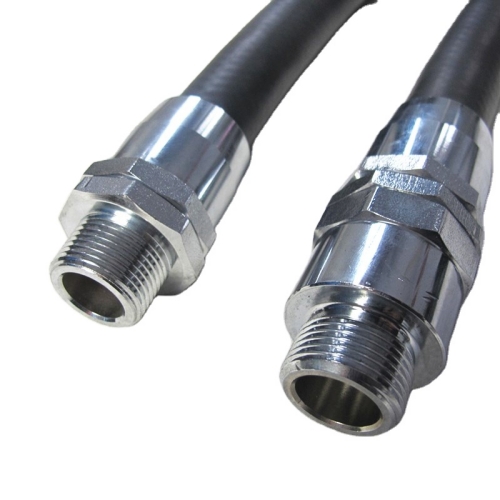
Environmental resistance includes considerations for ozone exposure, UV radiation, and abrasion. The outer cover material must provide adequate protection against these factors. Compliance requirements are dictated by industry standards and regulations, such as SAE J517 (hydraulic hose standards) and ISO 6898 (hydraulic systems – requirements for fluid power systems). Functional implementation involves proper hose routing, bend radius control (to avoid kinking and stress concentration), and the selection of appropriate fittings. Fittings must be securely crimped onto the hose to create a leak-proof seal. Improper installation can significantly reduce hose lifespan and compromise system safety. Fatigue resistance is a critical design consideration, particularly in applications involving pulsating flow or vibration. Finite element analysis (FEA) is often used to simulate stress distribution and optimize hose design for maximum durability.
Technical Specifications
| Parameter | Unit | Typical Value (NBR Inner Tube, Steel Wire Braid) | Typical Value (FKM Inner Tube, Steel Wire Braid) |
|---|---|---|---|
| Inner Diameter | mm | 6.0 ± 0.1 | 6.0 ± 0.1 |
| Outer Diameter | mm | 13.0 ± 0.2 | 13.5 ± 0.2 |
| Working Pressure | MPa | 20 | 25 |
| Burst Pressure | MPa | 80 | 100 |
| Temperature Range | °C | -40 to +100 | -30 to +150 |
| Reinforcement Type | - | Single Steel Wire Braid | Single Steel Wire Braid |
| Fluid Compatibility | - | Petroleum-based fluids, water-glycol fluids | Wide range of fluids including fuels, oils, and aggressive chemicals |
Failure Mode & Maintenance
Failure modes of 6mm hydraulic hoses are diverse. Fatigue cracking, often initiated at the fitting crimp or areas of high stress concentration, is a common failure mode, especially in pulsating flow systems. Delamination, the separation of layers within the hose wall, can occur due to inadequate bonding during manufacturing or exposure to incompatible fluids. Rubber degradation, caused by ozone, UV radiation, or excessive heat, can lead to hardening, cracking, and loss of flexibility. Abrasion damage to the outer cover can expose the reinforcement layers to corrosion. Internal corrosion, especially in systems utilizing water-based fluids, can weaken the inner tube and lead to leaks. Oxidation of the hydraulic fluid can also contribute to hose degradation.
Preventative maintenance is crucial for extending hose life and preventing failures. Regular visual inspections should be conducted to identify signs of cracking, abrasion, swelling, or leaks. Hose routing should be checked to ensure proper bend radius and avoid excessive stress. Fluid analysis should be performed periodically to monitor fluid condition and identify potential contaminants. Hose replacement should be scheduled based on operating conditions and manufacturer's recommendations. When replacing hoses, ensure proper fitting selection and crimping procedures are followed. Storage of hoses should be in a cool, dry, and dark environment to minimize degradation. Implementing a robust preventative maintenance program will significantly reduce the risk of unexpected failures and associated downtime.
Industry FAQ
Q: What is the impact of exceeding the maximum working pressure on the lifespan of a 6mm hydraulic hose?
A: Exceeding the maximum working pressure dramatically reduces the hose's lifespan. Even short-term overpressure events create stress that accelerates fatigue failure. Repeated overpressure weakens the reinforcement layers, leading to early cracking and potential rupture. The hose's ability to withstand subsequent cycles at the rated pressure is significantly compromised.
Q: How does fluid temperature affect the performance and longevity of a 6mm hydraulic hose?
A: Extreme temperatures – both high and low – negatively impact hose performance. High temperatures can cause rubber degradation, reducing flexibility and increasing the risk of cracking. Low temperatures can make the rubber brittle and susceptible to damage. Furthermore, temperature fluctuations can cause the hose to expand and contract, stressing the fittings and potentially leading to leaks.
Q: What are the key differences between NBR and FKM inner tubes in terms of fluid compatibility?
A: NBR offers good resistance to petroleum-based fluids and is a cost-effective option for general-purpose applications. However, it has limited resistance to aggressive fluids like fuels, strong acids, and certain synthetic oils. FKM (Viton) provides superior resistance to a wider range of fluids, including those that would rapidly degrade NBR. FKM is essential for applications involving harsh chemical environments.
Q: What is the correct bend radius for a 6mm hydraulic hose, and why is it important?
A: The correct bend radius is typically 4-6 times the hose's outer diameter. Maintaining the appropriate bend radius prevents kinking, which restricts fluid flow and creates stress concentrations that can lead to premature failure. Exceeding the maximum bend radius reduces the hose's effective cross-sectional area, increasing fluid velocity and potentially causing cavitation.
Q: What steps should be taken to ensure proper fitting crimping for a 6mm hydraulic hose?
A: Proper fitting crimping is critical for creating a leak-proof seal. The correct die size must be used based on the hose and fitting specifications. The crimping machine should be properly calibrated and maintained. The crimp should be inspected visually for proper indentation and conformance to the fitting. Improper crimping can lead to leaks, hose separation, and potential system failure.
Conclusion
The OEM 6mm hydraulic hose is a vital, yet often underestimated, component in numerous industrial applications. Its performance is intricately linked to material science, manufacturing precision, and proper engineering considerations. Understanding the interplay between pressure ratings, fluid compatibility, temperature resistance, and environmental factors is crucial for selecting the appropriate hose for a given application. Ignoring these parameters can lead to premature failure, system downtime, and potential safety hazards.
Moving forward, advancements in hose technology are focused on developing materials with enhanced durability, broader fluid compatibility, and improved resistance to environmental degradation. The integration of smart sensors for real-time monitoring of hose condition is also emerging as a promising trend. By prioritizing quality, implementing robust preventative maintenance programs, and staying abreast of technological advancements, users can maximize the lifespan and reliability of their 6mm hydraulic hoses, ensuring optimal performance and minimizing operational costs.