
Apr . 01, 2024 17:55 Back to list
oem 51mm hydraulic hose Performance Analysis

Introduction
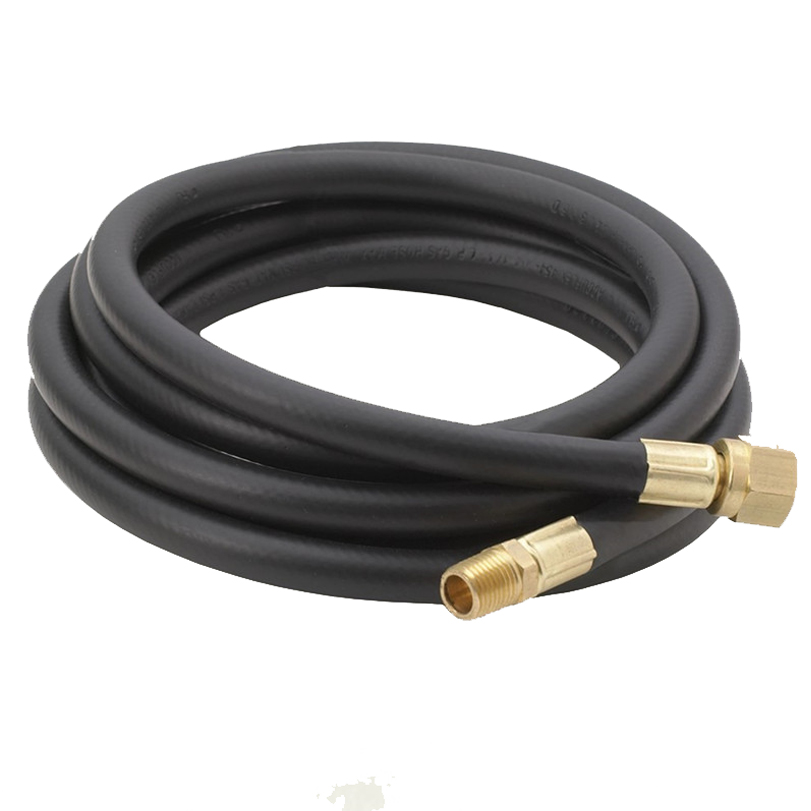
The OEM 51mm hydraulic hose represents a critical component within fluid power systems, primarily utilized for the transmission of hydraulic fluid to operate machinery. Occupying a mid-range diameter within the broader hydraulic hose spectrum, it finds application across diverse industries including construction, agriculture, manufacturing, and material handling. Core performance characteristics center around pressure containment, burst strength, flexibility, and resistance to fluid degradation and environmental factors. Unlike general-purpose hoses, OEM 51mm hoses are frequently specified to precise dimensional and material requirements, often dictated by original equipment manufacturer (OEM) specifications to ensure seamless integration and optimal system performance. The selection of this hose size represents a balance between flow capacity, bend radius limitations, and pressure handling capabilities—key considerations in hydraulic system design. A failure in this hose can result in system downtime, fluid leaks posing environmental and safety hazards, and potentially catastrophic equipment damage, making robust design, material selection, and rigorous quality control paramount.
Material Science & Manufacturing
The construction of a typical OEM 51mm hydraulic hose involves several key material components and a multi-stage manufacturing process. The inner tube, typically composed of a synthetic rubber such as nitrile (NBR), chloroprene (CR), or ethylene propylene diene monomer (EPDM), provides a barrier against fluid permeation and chemical attack. NBR offers excellent resistance to petroleum-based hydraulic fluids, CR exhibits good resistance to heat and aging, and EPDM excels in phosphate ester fluid compatibility. Reinforcement layers, crucial for pressure containment, are typically braided from high-tensile steel wire. The number of braids directly correlates to the hose's working pressure rating. Outer cover materials commonly consist of abrasion-resistant synthetic rubbers like polyurethane or a blend of elastomers, providing protection against environmental degradation, ozone cracking, and mechanical damage. Manufacturing begins with extrusion of the inner tube, followed by helical winding or braiding of the reinforcement layers. The outer cover is then extruded over the reinforcement, and the hose is vulcanized – a process of cross-linking the rubber polymers through heat and pressure to achieve desired mechanical properties. Critical parameters during manufacturing include precise control of rubber compound formulations, braid density, and curing temperature and time. Improper curing can lead to insufficient cross-linking, resulting in reduced tensile strength and accelerated degradation. Dimensional accuracy is also vital; variations in inner diameter and outer diameter can compromise fitting compatibility and system performance. Post-production testing, including burst pressure, impulse pressure, and leak testing, ensures adherence to industry standards and OEM specifications.
Performance & Engineering
The performance of a 51mm hydraulic hose is governed by several key engineering principles and operational considerations. Force analysis focuses on hoop stress within the hose wall due to internal fluid pressure. Higher pressures induce greater hoop stress, demanding stronger reinforcement layers to prevent rupture. Fatigue analysis is crucial, considering the cyclical pressure fluctuations inherent in hydraulic systems. Repeated pressure cycles can lead to fatigue cracking in the reinforcement wires or degradation of the rubber compounds. Environmental resistance is a primary concern. Exposure to extreme temperatures (both high and low), UV radiation, ozone, and corrosive chemicals can degrade the hose materials, reducing their mechanical properties and service life. Compliance requirements, dictated by standards like SAE J517 and EN 856, specify minimum performance criteria for hydraulic hoses, including burst pressure, working pressure, temperature range, and fluid compatibility. Functional implementation involves careful consideration of bend radius. Exceeding the minimum bend radius can induce kinking, restricting fluid flow and creating stress concentrations that accelerate fatigue failure. Hose routing should also minimize abrasion against other components. Fitting selection is critical; incompatible fittings can lead to leaks or premature hose failure. Proper installation techniques, including correct torqueing of fittings and avoiding twisting of the hose, are essential for optimal performance and longevity.
Technical Specifications
| Parameter | Unit | Typical Value (NBR/Steel Wire/Polyurethane) | Standard Test Method |
|---|---|---|---|
| Inner Diameter | mm | 51 ± 0.5 | SAE J1926 |
| Outer Diameter | mm | 63 ± 1.0 | SAE J1926 |
| Working Pressure | MPa | 20 - 35 (depending on braid layers) | SAE J517 |
| Burst Pressure | MPa | 60 - 105 (depending on braid layers) | SAE J517 |
| Temperature Range | °C | -40 to +100 | SAE J517 |
| Reinforcement Type | - | Single or Double Steel Wire Braid | SAE J517 |
| Fluid Compatibility | - | Petroleum-based Hydraulic Fluids (ISO 6743/6744) | OEM Specification |
Failure Mode & Maintenance
Failure modes in OEM 51mm hydraulic hoses are diverse, stemming from material degradation, mechanical stress, and improper handling. Fatigue cracking in the steel wire reinforcement is a common failure mechanism, often initiated by cyclical pressure fluctuations and exacerbated by corrosion. Delamination, the separation of reinforcement layers from the inner tube or outer cover, can occur due to poor bonding during manufacturing or prolonged exposure to harsh chemicals. Rubber degradation, manifesting as hardening, cracking, or swelling, can result from exposure to extreme temperatures, UV radiation, ozone, or incompatible fluids. Oxidation of the rubber compounds can lead to a loss of elasticity and reduced tensile strength. Abrasion damage to the outer cover can expose the reinforcement layers to corrosion. Improper fitting installation, such as over-tightening or cross-threading, can create stress concentrations and lead to leaks or hose failure. Maintenance strategies include regular visual inspections for signs of wear, cracking, or swelling. Hose routing should be checked to ensure adequate bend radius and minimal abrasion. Fittings should be inspected for leaks and properly torqued. Fluid contamination should be minimized through the use of filtration systems. Preventive replacement of hoses based on a predetermined schedule, considering operating conditions and fluid compatibility, is a proactive maintenance approach. In the event of a hose failure, thorough investigation of the root cause is crucial to prevent recurrence. Detailed records of hose replacements and maintenance activities should be maintained.
Industry FAQ
Q: What is the impact of impulse pressure on hydraulic hose life?
A: Impulse pressure, or pressure spikes, significantly reduces hose life. These surges create dynamic stresses exceeding the static working pressure, accelerating fatigue failure in the reinforcement wires. High-quality hoses are designed to withstand a specified number of impulse cycles, but exceeding these limits will dramatically shorten service life. Surge suppression techniques, like accumulators, are recommended in systems with high impulse pressures.
Q: How does fluid temperature affect hose performance?
A: Elevated fluid temperatures accelerate rubber degradation, reducing the hose's flexibility and tensile strength. Conversely, low temperatures can cause the rubber to become brittle and prone to cracking. Selecting a hose material compatible with the operating temperature range is critical. Prolonged exposure to temperatures outside the specified range will significantly diminish hose performance and longevity.
Q: What are the key considerations when selecting a hose fitting?
A: Fitting compatibility with the hose inner tube and outer diameter is paramount. The fitting material must be compatible with the hydraulic fluid to prevent corrosion. The fitting’s pressure rating must equal or exceed the hose’s working pressure. Proper crimping of the fitting onto the hose is essential to ensure a leak-proof seal and prevent premature failure. Using the incorrect fitting or improper crimping techniques is a major cause of hose failures.
Q: What is the difference between single and double wire braid reinforcement?
A: Single wire braid reinforcement provides adequate strength for lower pressure applications. Double wire braid reinforcement offers significantly higher pressure capacity and improved fatigue resistance, making it suitable for more demanding systems. The selection depends on the maximum operating pressure, pressure fluctuations, and desired safety factor.
Q: How can I identify potential hose degradation before a catastrophic failure?
A: Regular visual inspections are crucial. Look for signs of cracking, swelling, hardening, abrasion, or discoloration of the hose. Check for leaks around the fittings. Pay attention to changes in hose flexibility. Any of these indicators suggest potential degradation and warrant further investigation or hose replacement. Periodic pressure testing can also reveal hidden weaknesses.
Conclusion
The OEM 51mm hydraulic hose, while seemingly a simple component, plays a critical role in the reliable operation of numerous hydraulic systems. Its performance is dictated by a complex interplay of material science, manufacturing precision, and engineering considerations. Understanding the potential failure modes, coupled with proactive maintenance practices, is essential for maximizing service life and preventing costly downtime. Selecting the appropriate hose material, reinforcement type, and fittings based on specific application requirements—pressure, temperature, fluid compatibility, and environmental factors—is paramount to ensuring optimal performance and safety.
Future trends in hydraulic hose technology focus on the development of advanced materials with improved chemical resistance, higher temperature capabilities, and enhanced fatigue life. Smart hoses, incorporating sensors to monitor pressure, temperature, and vibration, offer the potential for predictive maintenance and early failure detection. The increasing adoption of environmentally friendly hydraulic fluids will also drive the need for hose materials compatible with these new formulations. Continuous innovation in hose design and manufacturing processes will be essential to meet the evolving demands of modern hydraulic systems.