
Apr . 01, 2024 17:55 Back to list
oem 32mm hydraulic hose Performance Analysis

Introduction
The OEM 32mm hydraulic hose is a critical component in fluid power systems, designed for the transmission of hydraulic fluid under significant pressure. Positioned within the broader industrial hose sector, this hose specifically serves medium-pressure applications across diverse industries including construction, agriculture, mining, and material handling. Its core performance characteristics – burst pressure, working pressure, temperature resistance, and fluid compatibility – are paramount to system reliability and operational safety. The 32mm designation refers to the internal diameter, influencing flow rate and pressure drop. This guide provides a comprehensive technical overview, covering material science, manufacturing processes, performance parameters, failure modes, and relevant industry standards, targeting procurement managers, engineers, and maintenance personnel involved in hydraulic system design and operation. A key industry pain point is ensuring hose longevity in demanding environments, minimizing downtime, and adhering to stringent safety regulations regarding fluid containment.
Material Science & Manufacturing
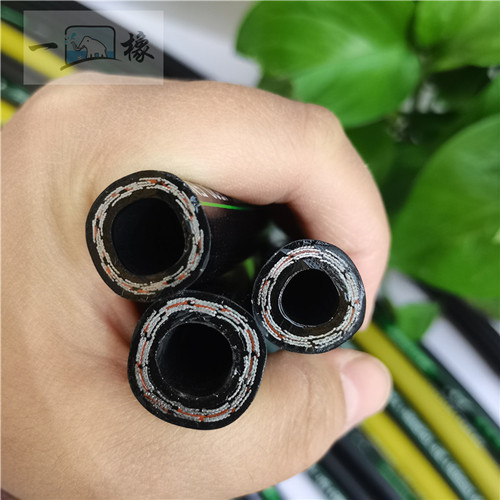
The construction of a 32mm hydraulic hose typically involves four primary layers. The innermost layer, the tube, is commonly manufactured from nitrile rubber (NBR), also known as Buna-N, due to its excellent resistance to petroleum-based hydraulic fluids. Alternative tube materials include chlorinated polyethylene (CPE) for improved oil and weather resistance, and fluoroelastomers (FKM/Viton) for extremely high-temperature and aggressive fluid applications. NBR exhibits a Shore A hardness ranging from 40 to 90, influencing flexibility and abrasion resistance. The reinforcement layer is crucial for pressure containment. This commonly consists of multiple spiral plies of high-tensile steel wire, providing burst strength. The number and diameter of the steel wires dictate the hose’s working and burst pressures. A bonding agent, typically an epoxy resin, adheres the reinforcement to the inner tube. The cover layer, usually a synthetic rubber compound like synthetic rubber (SBR) or polyurethane (PU), provides external protection against abrasion, ozone, weathering, and oil. Manufacturing involves a process of mandrel winding, where the tube is extruded over a mandrel, followed by the winding of the steel reinforcement. The cover is then extruded over the reinforcement. Critical parameters during manufacturing include maintaining precise control of rubber compound mixing ratios, extrusion temperatures, steel wire tension, and curing times. Improper curing can lead to reduced tensile strength and premature failure. Post-production testing includes hydrostatic testing to verify burst pressure and impulse testing to assess fatigue resistance.
Performance & Engineering
The performance of a 32mm hydraulic hose is fundamentally governed by its ability to withstand internal pressure without failure. Burst pressure, typically four times the working pressure, represents the maximum pressure the hose can endure before catastrophic rupture. Working pressure is defined as the maximum continuous operating pressure at a specified temperature. Temperature resistance is a critical engineering consideration. Hydraulic fluid temperature variations affect viscosity and can degrade the hose material. NBR typically operates effectively between -40°C and +100°C, while FKM can withstand temperatures up to +150°C. Hose bend radius is also crucial; exceeding the minimum bend radius induces stress on the reinforcement and can lead to premature fatigue failure. Force analysis includes calculating hoop stress within the hose wall under pressure and assessing the shear stress within the reinforcement layers. Environmental resistance encompasses resistance to ozone, UV exposure, and chemical attack from hydraulic fluids and external contaminants. Compliance requirements, such as those outlined by SAE J517 (Hydraulic Hose – Performance Characteristics) and EN 856 (Hydraulic Hoses – Specifications), dictate minimum performance standards and testing procedures. The hose's flexibility influences its ease of installation and routing within confined spaces. Impulse testing (cyclic pressure testing) is used to evaluate the hose's ability to withstand pressure pulsations, a common occurrence in hydraulic systems.
Technical Specifications
| Parameter | Unit | Typical Value (NBR/Steel Wire/SBR) | Typical Value (CPE/Steel Wire/PU) |
|---|---|---|---|
| Internal Diameter | mm | 32 ± 0.5 | 32 ± 0.5 |
| Working Pressure | MPa | 20 | 25 |
| Burst Pressure | MPa | 80 | 100 |
| Temperature Range | °C | -40 to +100 | -30 to +120 |
| Minimum Bend Radius | mm | 400 | 400 |
| Reinforcement Type | - | Multiple Spiral Steel Wire | Multiple Spiral Steel Wire |
Failure Mode & Maintenance
Common failure modes for 32mm hydraulic hoses include burst failure due to exceeding pressure limits, fatigue cracking resulting from repeated flexing and pressure pulsations, abrasion damage from external contact, and fluid permeation leading to hose swelling and softening. Internal corrosion can occur if the hose is exposed to moisture and incompatible fluids. Delamination, the separation of the tube, reinforcement, and cover layers, is often a consequence of inadequate bonding during manufacturing or prolonged exposure to harsh environments. Oxidation of the rubber compounds can cause hardening and cracking. Failure analysis often reveals the root cause – improper installation (excessive bending, twisting), exceeding temperature limits, fluid incompatibility, or material defects. Maintenance strategies include regular visual inspections for signs of abrasion, cracking, and swelling. Pressure testing should be performed periodically to verify hose integrity. Hose routing should be carefully planned to avoid sharp bends and contact with hot surfaces or abrasive materials. When replacing hoses, it is crucial to use compatible fittings and ensure proper crimping. Contamination of the hydraulic fluid should be prevented through regular filtration. Hose assemblies should be flushed before initial use to remove debris. Proper storage, shielded from UV light and extreme temperatures, is vital for extending hose lifespan.
Industry FAQ
Q: What is the impact of hydraulic fluid type on hose lifespan?
A: The hydraulic fluid type significantly impacts hose lifespan. Incompatible fluids can cause swelling, softening, and degradation of the inner tube. For example, using petroleum-based fluids with a hose designed for phosphate ester fluids will lead to rapid failure. It’s critical to verify fluid compatibility with the hose material (NBR, CPE, FKM) based on the fluid manufacturer's recommendations.
Q: How does impulse pressure affect hose selection?
A: Impulse pressure, or pressure pulsations, induces fatigue stress on the hose reinforcement. Hoses subjected to high impulse pressures require reinforced construction and materials designed to withstand cyclic loading. Standard hoses may fail prematurely in applications with significant pulsations. Specifying impulse-rated hoses is essential for these scenarios.
Q: What are the consequences of exceeding the minimum bend radius?
A: Exceeding the minimum bend radius places excessive stress on the hose reinforcement, particularly on the inner radius. This can lead to fatigue cracking and eventual failure. A tighter bend radius reduces the hose’s effective cross-sectional area, increasing flow velocity and pressure drop.
Q: How important is proper crimping of hose fittings?
A: Proper crimping of hose fittings is paramount for a leak-free and reliable connection. Insufficient crimping can result in fluid leakage and eventual fitting separation, while over-crimping can damage the hose reinforcement. Using calibrated crimping equipment and following the fitting manufacturer's specifications are essential.
Q: What is the role of the hose cover in overall performance?
A: The hose cover provides external protection against abrasion, weathering, oil, and other environmental factors. A robust cover extends the hose’s service life and prevents damage that could compromise the reinforcement layer. The cover material should be selected based on the application’s specific environmental conditions (e.g., UV resistance for outdoor applications).
Conclusion
The OEM 32mm hydraulic hose is a vital component demanding careful consideration of material science, manufacturing precision, and operational parameters. Selecting the appropriate hose requires a comprehensive understanding of application-specific pressures, temperatures, fluid compatibility, and environmental conditions. Failure to account for these factors can lead to premature failure, system downtime, and potential safety hazards.
Moving forward, advancements in hose technology will likely focus on developing more durable materials, improving bonding techniques, and integrating sensor technology for real-time monitoring of hose condition. Adhering to established industry standards, implementing robust preventative maintenance programs, and prioritizing proper installation practices will remain crucial for maximizing the lifespan and reliability of 32mm hydraulic hose assemblies.