
Apr . 01, 2024 17:55 Back to list
oem 13mm hydraulic hose Performance Analysis

Introduction
The OEM 13mm hydraulic hose is a critical component in fluid power systems, serving as a flexible conduit for the transmission of hydraulic fluid. Positioned within the broader industry chain between hose manufacturing and equipment integration, its performance directly impacts system efficiency, reliability, and safety. This technical guide provides an in-depth examination of its material science, manufacturing processes, performance characteristics, potential failure modes, and relevant industry standards. This hose is typically employed in applications demanding moderate pressure and temperature capabilities, commonly found in construction equipment, agricultural machinery, and industrial hydraulic systems. Core performance attributes include burst pressure, working pressure, temperature range, and fluid compatibility. A key pain point in the industry is maintaining consistent hose quality to prevent premature failure and costly downtime. Achieving precise dimensional control and robust bonding between layers are also critical manufacturing challenges.
Material Science & Manufacturing
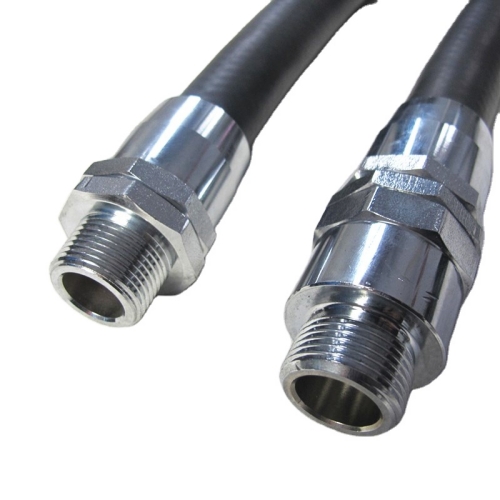
The construction of a 13mm hydraulic hose generally involves four key layers: the inner tube, reinforcement layers, and the outer cover. The inner tube is typically comprised of nitrile rubber (NBR) due to its excellent resistance to petroleum-based hydraulic fluids. NBR exhibits good abrasion resistance and flexibility, crucial for maintaining fluid flow. However, its temperature range is limited (typically -40°C to +100°C). Alternative materials like chlorinated polyethylene (CPE) offer improved heat and ozone resistance but at a higher cost. The reinforcement layer is often constructed of multiple plies of high-tensile steel wire, spirally wound to provide pressure resistance. The wire gauge and number of plies directly correlate with the hose's maximum working pressure. Precise winding tension is critical to prevent wire breakage and maintain dimensional stability. Between the reinforcement and inner tube, a bonding layer (typically an adhesive compound) ensures secure adhesion, preventing separation under pressure. The outer cover is commonly made from synthetic rubber like polyurethane or a blended rubber compound, providing abrasion, ozone, and weather resistance. Manufacturing typically involves extrusion of the inner tube and outer cover, followed by spiral winding of the reinforcement layers. Critical parameters include extrusion temperature, winding tension, and curing time. Curing, typically performed in an autoclave, vulcanizes the rubber compounds, developing their final mechanical properties. Post-production testing, including burst pressure testing and dimensional checks, is essential for quality control. Any inconsistencies in material properties, winding angles, or curing processes can compromise the hose's integrity.
Performance & Engineering
The performance of a 13mm hydraulic hose is governed by several engineering principles. Force analysis dictates the required reinforcement strength to withstand internal hydraulic pressure. The hoop stress within the hose wall increases linearly with pressure and is resisted by the tensile strength of the steel wire. Fatigue analysis is crucial, considering the cyclic pressure loading experienced during operation. Repeated pressure fluctuations can lead to fatigue cracking in the reinforcement layers, ultimately causing failure. Environmental resistance is another key consideration. Exposure to extreme temperatures, UV radiation, and corrosive fluids can degrade the rubber compounds, reducing their flexibility and strength. The hose must also conform to relevant safety standards, such as SAE J517, which specifies minimum performance requirements for hydraulic hoses. The choice of hose material and construction must also consider fluid compatibility. Incompatible fluids can cause swelling, softening, or chemical attack of the rubber compounds, leading to leakage or failure. Furthermore, bend radius is a critical performance parameter. Exceeding the minimum bend radius can induce stress concentration, potentially causing kinking or cracking. Proper hose routing and support are essential to prevent excessive bending and abrasion.
Technical Specifications
| Parameter | Specification | Test Method | Typical Application |
|---|---|---|---|
| Inner Diameter | 13 mm ± 0.2 mm | ISO 1307 | Hydraulic Power Units |
| Working Pressure | 20 MPa (2900 PSI) | SAE J517 | Construction Equipment |
| Burst Pressure | 60 MPa (8700 PSI) | SAE J517 | Agricultural Machinery |
| Temperature Range | -40°C to +100°C (-40°F to +212°F) | ASTM D395 | Industrial Hydraulics |
| Reinforcement Type | Spiral Steel Wire | Visual Inspection | General Hydraulic Systems |
| Cover Material | Polyurethane | ASTM D2000 | Outdoor Applications |
Failure Mode & Maintenance
Common failure modes for 13mm hydraulic hoses include burst failure due to exceeding the working pressure, fatigue cracking from cyclic loading, abrasion damage from external contact, and leakage due to deterioration of the rubber compounds. Burst failure is typically catastrophic, resulting from a sudden rupture of the hose wall. Fatigue cracking often initiates at stress concentration points, such as at the crimp connections or areas of bending. Abrasion can gradually wear away the outer cover, exposing the reinforcement layers to corrosion. Rubber deterioration can be caused by exposure to extreme temperatures, UV radiation, or incompatible fluids. Failure analysis often reveals the root cause of the failure. For example, microscopic examination can identify fatigue cracks or evidence of chemical attack. Preventive maintenance is crucial for maximizing hose lifespan. This includes regular visual inspections for signs of damage, proper hose routing to avoid abrasion and excessive bending, and ensuring compatibility with the hydraulic fluid. Crimping procedures must be performed correctly to ensure a secure connection between the hose and fittings. Damaged hoses should be replaced immediately. Avoid twisting or kinking the hose during installation or operation. Regularly check for leaks and address them promptly. Proper storage conditions (cool, dry, and dark) can also help prolong hose life. Implement a hose management program including tagging and tracking replacement schedules.
Industry FAQ
Q: What is the impact of exceeding the minimum bend radius on hose lifespan?
A: Exceeding the minimum bend radius induces localized stress concentration within the hose wall, particularly in the reinforcement layers. This stress accelerates fatigue crack initiation and propagation, significantly reducing the hose's lifespan. Repeated bending beyond the specified radius can lead to premature failure, even at pressures below the rated working pressure.
Q: How does fluid compatibility affect hose performance?
A: Incompatible fluids can cause the rubber compounds (inner tube and outer cover) to swell, soften, or undergo chemical degradation. Swelling alters the hose's dimensions, potentially leading to leakage. Softening reduces the hose's strength and abrasion resistance. Chemical degradation compromises the integrity of the rubber, making it more susceptible to cracking and failure. Always verify fluid compatibility before using a hydraulic hose.
Q: What are the key factors to consider when selecting a hose reinforcement material?
A: The primary factor is the required working pressure. Higher pressures necessitate stronger reinforcement materials, typically with a higher tensile strength and modulus of elasticity. Steel wire is commonly used for moderate to high-pressure applications. The number of plies and wire gauge also affect pressure capacity. Consideration should also be given to corrosion resistance and flexibility.
Q: What maintenance practices can prevent hose leakage?
A: Regular visual inspections are critical to identify any signs of damage, such as cracks, abrasions, or swelling. Ensure proper crimping of fittings to create a secure seal. Avoid over-tightening fittings, as this can damage the hose. Monitor fluid levels and promptly address any leaks. Implement a hose replacement schedule based on operating conditions and usage.
Q: How does temperature affect the performance of a 13mm hydraulic hose?
A: Extreme temperatures can significantly impact hose performance. High temperatures can cause the rubber compounds to soften and lose their elasticity, reducing their strength and resistance to pressure. Low temperatures can make the rubber brittle and more susceptible to cracking. The specified temperature range must be adhered to for optimal performance and longevity.
Conclusion
The OEM 13mm hydraulic hose is a vital component in numerous hydraulic systems, demanding careful consideration of material science, manufacturing processes, and operational parameters. Its performance is dictated by a complex interplay of factors, including internal pressure, temperature, fluid compatibility, and environmental conditions. Maintaining dimensional accuracy during manufacturing, coupled with rigorous quality control, is paramount to ensuring reliable and safe operation.
Addressing potential failure modes through preventative maintenance – encompassing regular inspections, proper installation, and appropriate fluid selection – is crucial for maximizing hose lifespan and minimizing downtime. Adherence to relevant industry standards (SAE, ISO) provides a framework for consistent quality and performance. Future developments will likely focus on enhanced materials, improved manufacturing techniques, and smart hose monitoring systems to further optimize reliability and safety.