
Apr . 01, 2024 17:55 Back to list
oem 1/2 hydraulic hose Performance Analysis
Introduction
The OEM 1/2 hydraulic hose is a critical component in fluid power systems, serving as a flexible conduit for the transmission of hydraulic fluid to actuators and other hydraulic devices. Positioned within the broader industry chain between hose manufacturers, crimping specialists, and end-user equipment integrators, its primary function is to reliably convey pressurized fluids, facilitating the operation of heavy machinery across diverse sectors including construction, agriculture, manufacturing, and material handling. Core performance characteristics are defined by working pressure, burst pressure, temperature range, fluid compatibility, and resistance to abrasion and kinking. A primary industry pain point lies in ensuring consistent dimensional accuracy and material integrity during manufacturing to prevent premature failure and costly downtime. OEM specification adherence, detailed traceability, and rigorous quality control are therefore paramount.
Material Science & Manufacturing
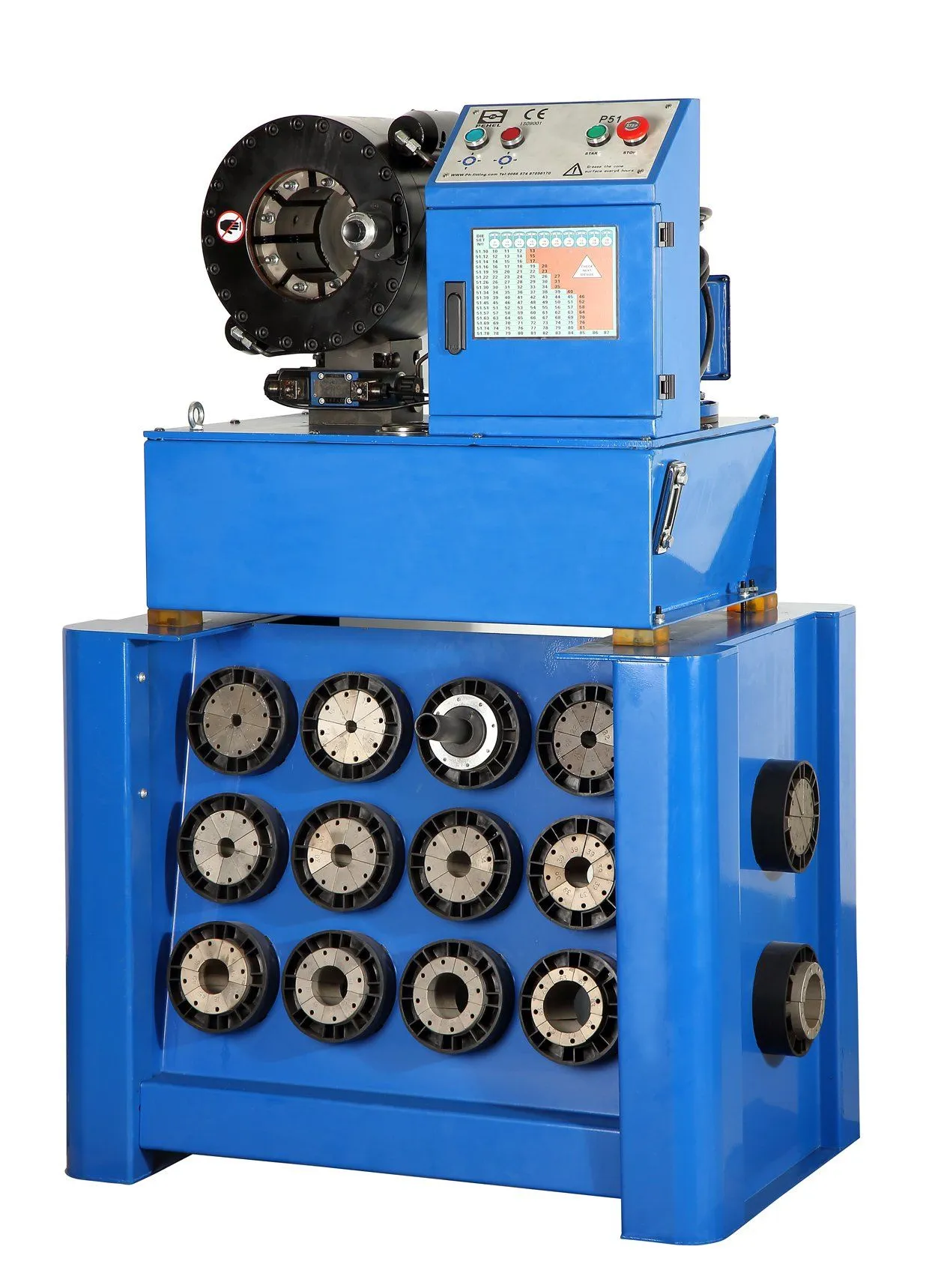
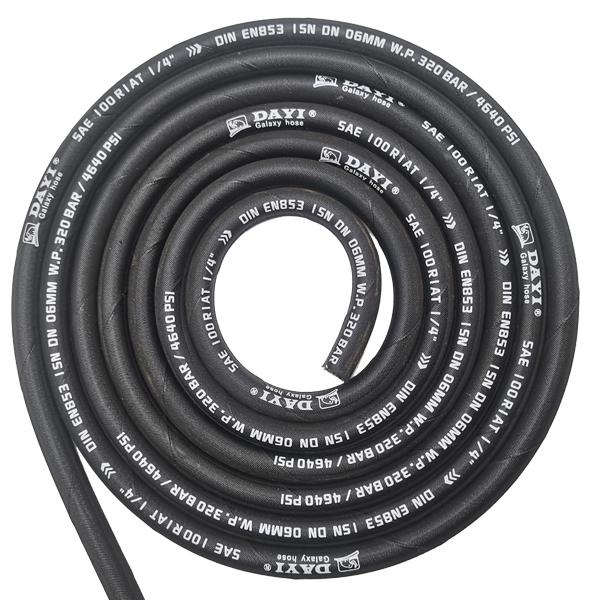
The construction of a 1/2 inch hydraulic hose typically involves several layers of specialized materials. The inner tube, in direct contact with the hydraulic fluid, is commonly composed of synthetic rubber compounds such as Nitrile (NBR) for petroleum-based fluids, Ethylene Propylene Diene Monomer (EPDM) for phosphate ester fluids, or Fluorocarbon (FKM) for aggressive chemicals and high-temperature applications. NBR offers excellent abrasion resistance and cost-effectiveness, while FKM provides superior chemical compatibility and thermal stability. The reinforcement layer, responsible for withstanding internal pressure, often utilizes multiple braids of high-tensile steel wire. The number of braids directly correlates with the hose's working pressure capacity; four-spiral reinforcement is common for medium-pressure applications, while six-spiral is employed for higher pressures. An outer cover, typically made of Chloroprene (CR) rubber, provides protection against abrasion, weathering, ozone, and oil. Manufacturing processes commence with extrusion of the inner tube and outer cover. The reinforcement braid is then applied, followed by vulcanization – a thermal curing process that cross-links the rubber polymers, imparting elasticity and strength. Parameter control during vulcanization – specifically temperature, pressure, and duration – is critical to achieving optimal material properties. Hose ends are typically crimped onto the hose using a specialized hydraulic crimping machine, ensuring a leak-proof seal with fittings. Inspection for dimensional accuracy, braid integrity, and surface defects is conducted throughout the process.
Performance & Engineering
Performance of the OEM 1/2 hydraulic hose is governed by several engineering principles. Burst pressure, typically four times the working pressure, is a critical safety parameter determined by the tensile strength of the reinforcement braid and the adhesion between layers. Hose deflection under pressure, or expansion ratio, must be carefully controlled to maintain system responsiveness and prevent interference with surrounding components. Fatigue life, the number of pressure cycles the hose can withstand before failure, is significantly influenced by the amplitude and frequency of pressure fluctuations, as well as the hose's material properties. Environmental resistance is also paramount. Exposure to UV radiation, ozone, and extreme temperatures can cause degradation of the rubber compounds, leading to cracking and loss of flexibility. Compliance with industry standards, such as SAE J517 (Hydraulic Hose – Construction, Performance, and Test Procedures), is essential to ensure product safety and reliability. Force analysis during hose bending reveals stress concentrations at the inner radius of the bend; minimizing bend radius is therefore crucial to prevent premature failure. The hose's susceptibility to kinking, particularly in tight spaces, must also be considered, potentially requiring the use of anti-kink sleeves or alternative hose constructions.
Technical Specifications
| Parameter | Unit | Typical Value (NBR Inner Tube, Steel Wire Reinforcement, CR Cover) | Tolerance |
|---|---|---|---|
| Inner Diameter | inches | 0.500 | ±0.005 |
| Outer Diameter | inches | 0.750 | ±0.010 |
| Working Pressure | psi | 2000 | -10% |
| Burst Pressure | psi | 8000 | -15% |
| Temperature Range | °F | -40 to +212 | ±5 |
| Minimum Bend Radius | inches | 6 | - |
Failure Mode & Maintenance
Common failure modes in OEM 1/2 hydraulic hoses include fatigue cracking due to repeated pressure cycling, particularly at the crimp connections. Delamination, or separation of the hose layers, can occur due to insufficient adhesion during vulcanization or prolonged exposure to high temperatures. Abrasion damage from external contact with abrasive surfaces can erode the outer cover, exposing the reinforcement braid to corrosion. Oxidation of the rubber compounds, accelerated by exposure to ozone and UV radiation, leads to hardening and cracking. Internal corrosion can occur if incompatible fluids are used, degrading the inner tube. Maintenance strategies should include regular visual inspections for signs of wear, cracks, or leaks. Hose connections should be checked for tightness and corrosion. Proper routing and support are essential to prevent kinking and abrasion. When replacing a hose, it is crucial to use fittings that are compatible with both the hose and the hydraulic system. Periodic fluid analysis can help detect contamination and ensure fluid compatibility. Avoid exceeding the hose's working pressure and temperature limits. A preventative maintenance schedule based on operational hours and environmental conditions is highly recommended.
Industry FAQ
Q: What is the impact of fluid velocity on hose life?
A: Higher fluid velocities can increase erosion of the inner tube, particularly when abrasive particles are present in the fluid. Excessive velocity also contributes to increased heat generation, accelerating degradation of the rubber compounds. Maintaining fluid velocities within the manufacturer's recommended range is crucial for maximizing hose life.
Q: How does hose layline affect performance?
A: The layline, or helix angle of the reinforcement braid, influences the hose’s flexibility and resistance to twisting. A steeper layline provides greater flexibility but may reduce burst pressure. A shallower layline offers higher burst pressure but reduces flexibility. Selecting the appropriate layline is crucial for the specific application.
Q: What are the risks associated with using incompatible fluids?
A: Using fluids that are incompatible with the hose’s inner tube material can cause swelling, softening, or degradation of the rubber, leading to leaks and premature failure. Always verify fluid compatibility before installation.
Q: What are the best practices for storing hydraulic hoses?
A: Hydraulic hoses should be stored in a cool, dry, and dark environment, away from direct sunlight, ozone sources, and extreme temperatures. Hoses should be coiled loosely to avoid kinking and stored horizontally to prevent distortion.
Q: What is the significance of hose traceability?
A: Traceability, typically achieved through batch numbers and date codes, allows for identification of the manufacturing date and materials used in each hose. This is critical for investigating failures and implementing corrective actions, ensuring product quality and safety.
Conclusion
The OEM 1/2 hydraulic hose, while seemingly a simple component, represents a sophisticated integration of material science and engineering. Its reliable performance is paramount to the safe and efficient operation of countless industrial systems. Understanding the interplay between material properties, manufacturing processes, and operational conditions is crucial for maximizing hose life and minimizing downtime. Careful consideration of application-specific requirements, coupled with adherence to industry standards and proactive maintenance, are essential for optimizing the return on investment.
Future developments in hydraulic hose technology will likely focus on advanced materials with enhanced chemical resistance and thermal stability, as well as innovative hose constructions designed to improve flexibility and reduce weight. The implementation of smart hose technologies, incorporating sensors to monitor pressure, temperature, and fluid condition, will further enhance predictive maintenance capabilities and improve system reliability. Continuous refinement of manufacturing processes and quality control procedures will remain vital to meeting the ever-increasing demands of the industrial sector.