
Apr . 01, 2024 17:55 Back to list
Multipurpose Hose Performance Analysis
Introduction
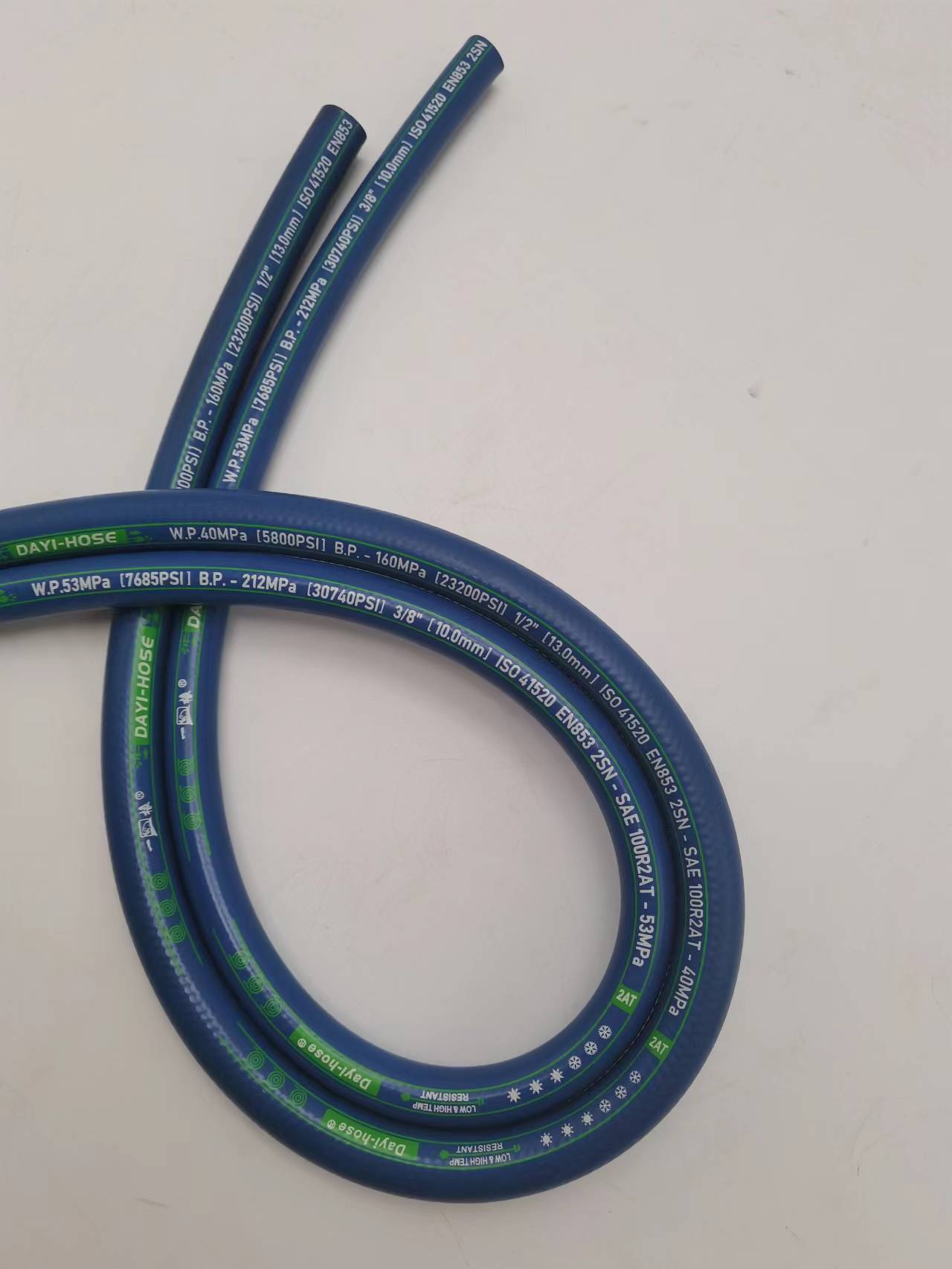
Multipurpose hose, encompassing a broad category of flexible conduits, serves as a critical component across numerous industrial and commercial applications. Positioned within the fluid transfer system, it facilitates the conveyance of liquids, gases, and granular materials. Unlike specialized hoses designed for singular purposes (e.g., high-pressure steam, cryogenic fluids), multipurpose hose prioritizes adaptability, offering a balance of pressure rating, chemical resistance, and temperature tolerance. Core performance characteristics include burst pressure, working pressure, tensile strength, elongation at break, and resistance to abrasion and environmental degradation. The increasing demand for versatile and reliable fluid handling solutions drives the ongoing evolution of multipurpose hose technology, with advancements focusing on material science, manufacturing techniques, and adherence to stringent safety standards. A key pain point for procurement managers is selecting a hose capable of consistently performing across varying applications and maintaining long-term durability in potentially harsh operating environments. The optimization of hose construction to minimize weight while maintaining structural integrity is also a crucial consideration in many sectors.
Material Science & Manufacturing
The construction of multipurpose hose typically involves several layers, each contributing to specific performance characteristics. The inner tube, in direct contact with the conveyed medium, is commonly composed of synthetic rubbers such as Nitrile (NBR), Ethylene Propylene Diene Monomer (EPDM), or Polyvinyl Chloride (PVC). NBR offers excellent resistance to oils and fuels, EPDM excels in resistance to weathering and ozone, and PVC provides good chemical resistance and cost-effectiveness. The reinforcement layer, critical for pressure resistance, is frequently constructed from braided textiles (polyester, nylon) or spirally wound steel wire. The number of plies and the material type dictate the hose’s maximum working pressure. The outer cover provides environmental protection and abrasion resistance, commonly utilizing materials like PVC, polyurethane, or synthetic rubber. Manufacturing processes vary depending on hose complexity. Extrusion is fundamental for inner tubes and outer covers, while braiding machines are utilized for reinforcement layers. Vulcanization (curing) is a crucial step for rubber components, inducing cross-linking to enhance strength, elasticity, and temperature resistance. Critical parameters controlled during manufacturing include material viscosity, extrusion temperature, braid angle, curing time, and pressure. Consistency in these parameters is paramount to ensuring uniform quality and preventing premature failure. Material compatibility testing is also essential to validate the hose’s suitability for specific media and operating conditions. Improper material selection or inadequate curing can lead to swelling, degradation, and eventual rupture.
Performance & Engineering
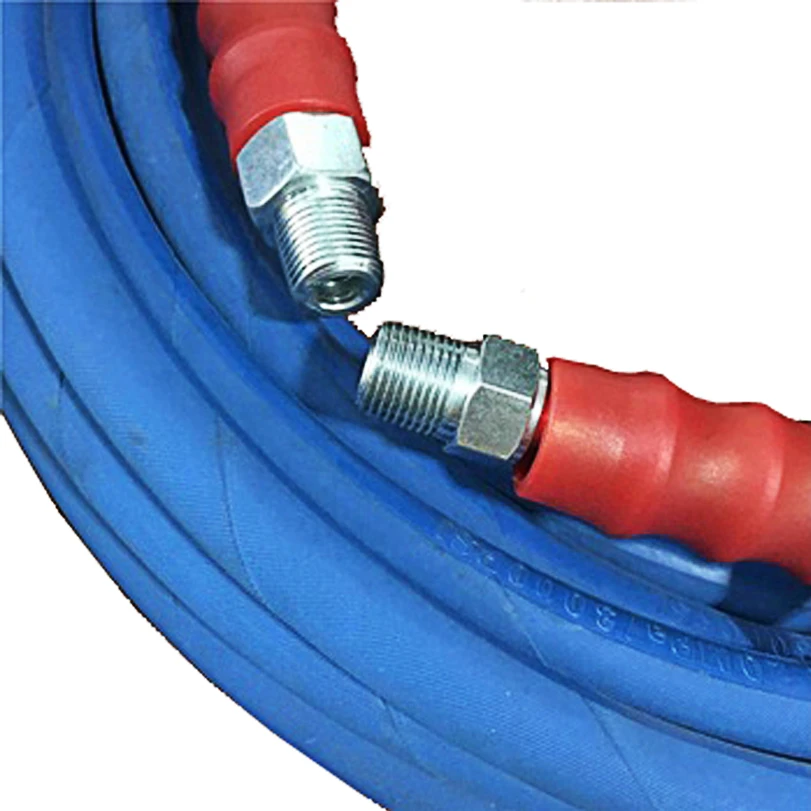
Performance characteristics of multipurpose hose are fundamentally governed by principles of fluid mechanics and material science. Burst pressure, a critical safety parameter, represents the maximum pressure the hose can withstand before catastrophic failure. Working pressure is significantly lower, typically a fraction of the burst pressure, to ensure a safety margin during normal operation. Tensile strength, measured in MPa or PSI, indicates the hose’s resistance to stretching and tearing under load. Elongation at break defines the extent to which the hose can stretch before failure. Environmental resistance encompasses the hose’s ability to withstand exposure to factors such as UV radiation, ozone, temperature extremes, and corrosive chemicals. Detailed force analysis, including consideration of internal pressure, external loads, and bending stresses, is vital for selecting a hose suitable for specific applications. Finite Element Analysis (FEA) is often employed to model stress distributions and predict potential failure points. Compliance requirements, such as those stipulated by OSHA (Occupational Safety and Health Administration) or relevant industry-specific regulations, must be meticulously adhered to. For example, hoses used in hydraulic systems may require compliance with SAE J517 standards. Proper installation, including correct hose routing, fitting selection, and avoidance of sharp bends, is essential for ensuring optimal performance and preventing premature wear.
Technical Specifications
| Parameter | Unit | Typical Value (NBR/PVC Hose) | Typical Value (EPDM Hose) |
|---|---|---|---|
| Working Pressure | PSI | 150 | 100 |
| Burst Pressure | PSI | 450 | 300 |
| Tensile Strength | MPa | 12 | 10 |
| Elongation at Break | % | 300 | 250 |
| Temperature Range | °C | -20 to +60 | -40 to +120 |
| Inner Diameter | mm | 13-50 | 13-50 |
Failure Mode & Maintenance
Multipurpose hose is susceptible to several failure modes, depending on operating conditions and material composition. Fatigue cracking, induced by repeated flexing and pressure cycling, is a common failure mechanism, particularly in hoses subjected to dynamic loads. Delamination, or separation of layers, can occur due to inadequate adhesion between the tube, reinforcement, and cover. Chemical degradation, caused by exposure to incompatible fluids, leads to swelling, embrittlement, and loss of mechanical properties. Oxidation, accelerated by exposure to oxygen and UV radiation, degrades rubber components over time. Abrasion, resulting from contact with abrasive surfaces, wears away the outer cover, exposing the reinforcement layer. Proper maintenance is crucial for extending hose lifespan and preventing failures. Regular visual inspections should be conducted to identify signs of cracking, swelling, or abrasion. Hoses should be replaced if they exhibit any evidence of damage or degradation. Avoid sharp bends and kinks, which can create stress concentrations and accelerate fatigue. Store hoses in a cool, dry place away from direct sunlight and ozone sources. Periodically check fittings for leaks and corrosion. Following manufacturer’s recommendations for hose handling and storage is essential for maintaining optimal performance. Failure analysis, involving microscopic examination of fractured surfaces and chemical testing, can help determine the root cause of failures and inform future material selection and design improvements.
Industry FAQ
Q: What is the impact of internal hose diameter on flow rate and pressure drop?
A: Internal diameter significantly impacts flow rate and pressure drop. A larger diameter reduces flow resistance, increasing flow rate for a given pressure drop. Conversely, a smaller diameter increases flow resistance, reducing flow rate and increasing pressure drop. The relationship is governed by the Hagen-Poiseuille equation, which demonstrates an inverse relationship between pressure drop and the fourth power of the radius. Therefore, even a small reduction in internal diameter can substantially increase pressure drop.
Q: How do different reinforcement materials (e.g., textile braid vs. steel wire) affect hose pressure ratings and flexibility?
A: Steel wire reinforcement provides significantly higher pressure ratings compared to textile braid due to its superior tensile strength and rigidity. However, steel wire hoses are less flexible and more prone to kinking. Textile braid offers greater flexibility and ease of handling but at a lower pressure rating. The choice depends on the application’s pressure requirements and the need for maneuverability.
Q: What considerations are important when selecting a hose for conveying abrasive materials?
A: When conveying abrasive materials, prioritize hoses with highly abrasion-resistant outer covers, such as polyurethane or specialized rubber compounds. A thicker cover offers enhanced protection. Consider the material velocity; higher velocities exacerbate abrasion. Using a larger diameter hose can reduce velocity and minimize wear. Regular inspection and replacement are critical, as abrasive wear can rapidly degrade the hose.
Q: What are the typical chemical compatibility considerations when selecting a multipurpose hose?
A: Chemical compatibility is paramount. The inner tube material must be resistant to the chemicals being conveyed to prevent swelling, degradation, or leaching. Consult chemical resistance charts provided by hose manufacturers or conduct compatibility testing to verify suitability. Consider not only the primary chemical but also potential contaminants or byproducts that may be present.
Q: How does temperature affect the performance and lifespan of a multipurpose hose?
A: Temperature extremes can significantly impact hose performance and lifespan. High temperatures can accelerate degradation of rubber materials, reducing their elasticity and tensile strength. Low temperatures can cause embrittlement and cracking. Operating outside the hose's specified temperature range will compromise its structural integrity and lead to premature failure. Maintaining temperatures within the recommended limits is essential.
Conclusion
Multipurpose hose represents a critical component in diverse industrial applications, demanding careful consideration of material science, manufacturing processes, and performance characteristics. The selection process necessitates a thorough understanding of the conveyed media, operating pressures, temperature ranges, and environmental conditions. Optimizing hose construction through appropriate material choices and reinforcement techniques ensures reliable performance and extended service life.
Continued advancements in polymer technology and manufacturing processes are driving the development of more durable, versatile, and cost-effective multipurpose hose solutions. Proactive maintenance practices, including regular inspections and timely replacement, are vital for minimizing downtime and ensuring operational safety. Adherence to relevant industry standards and regulations is essential for compliance and mitigating risk.